3 ChatGPT Native Ads Mistakes That Waste Your Budget
Learn 3 ChatGPT native ads mistakes that waste budget and how to fix them. A friendly 2026 guide for small business owners.
Key Takeaways
-
Avoid copying Google search ads into ChatGPT; write ad copy that answers the full, conversational questions users actually ask, in a helpful tone rather than a salesy one.
-
Make sure landing pages match the ad's promise, load fast on mobile, and include a clear call to action and proof like reviews, since AI-chat visitors often arrive well-researched.
-
Set up tracking before launch by defining one main goal (calls, forms, or sales), connecting analytics, and tracking which clicks become real leads.
-
Start with a small test budget, review results monthly, and scale only what works rather than spending heavily from day one.
-
Use ChatGPT ads alongside Google Ads: Google captures ready-to-buy searches while ChatGPT ads reach research-minded buyers who are still exploring options.
-
Begin with a simple plan: check your site, pick one measurable goal, map the top ten customer questions, write helpful copy, then test and refine.
Have you heard the buzz about ads showing up inside ChatGPT? If you run a small business, it can feel like one more thing to figure out. Don’t worry. You are in good company, and you can get this right.
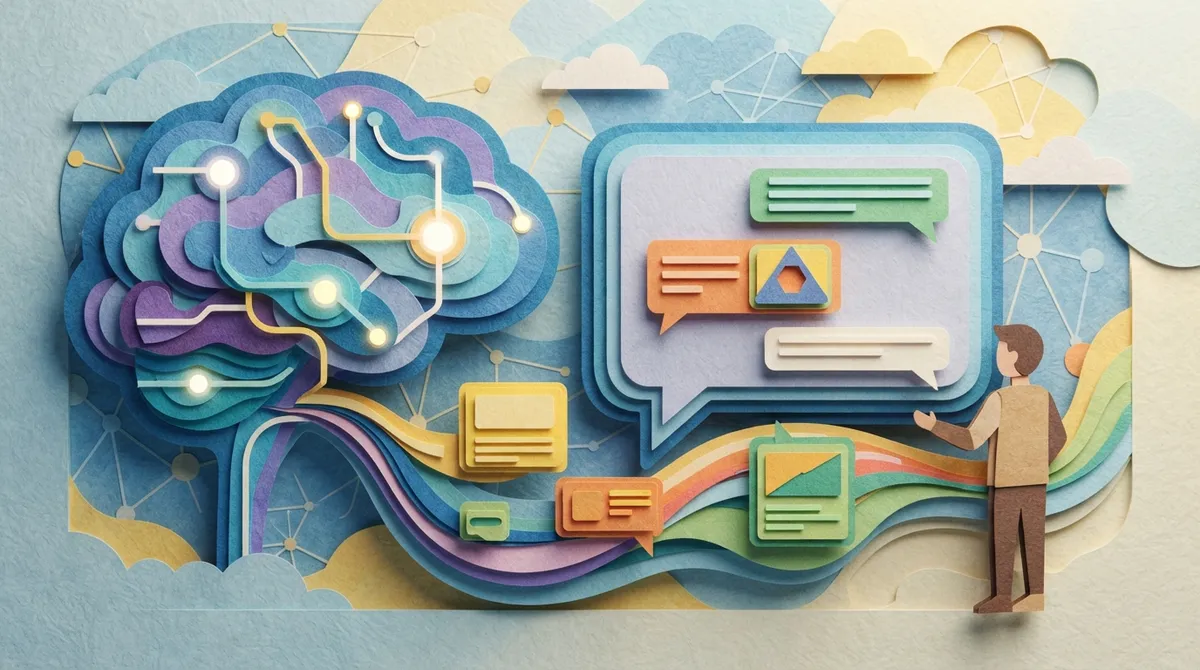
ChatGPT native ads are paid placements that appear inside the chat itself. They are not banners on the side of a page. They show up right when someone asks a question, which makes them feel natural and helpful. That is a big opportunity, but it also makes mistakes costly.
In my experience helping business owners with digital marketing services, new ad channels reward the people who go in with a plan. In 2026, early movers have a real edge. In this guide, we will cover what these ads are, three common mistakes that burn money, and a simple path to get started with confidence.
What Are ChatGPT Native Ads?
Think of ChatGPT native ads as helpful suggestions that blend into a conversation. A person asks about a problem. The ad appears near the answer and points to a business that can solve it. It feels more like a friendly tip than an interruption.
Here is why this matters for you:
- High intent: People ask detailed questions, so they are often close to making a choice.
- Natural fit: The ad matches the topic of the chat.
- New channel: Fewer advertisers are using it, so there may be less crowding.
- Conversational context: The ad reaches people while they are thinking through a decision.
If you want a deeper look at how this fits into your plan, our ChatGPT Ads Management page explains how we handle it for clients.
How ChatGPT Native Ads Differ From Google Ads
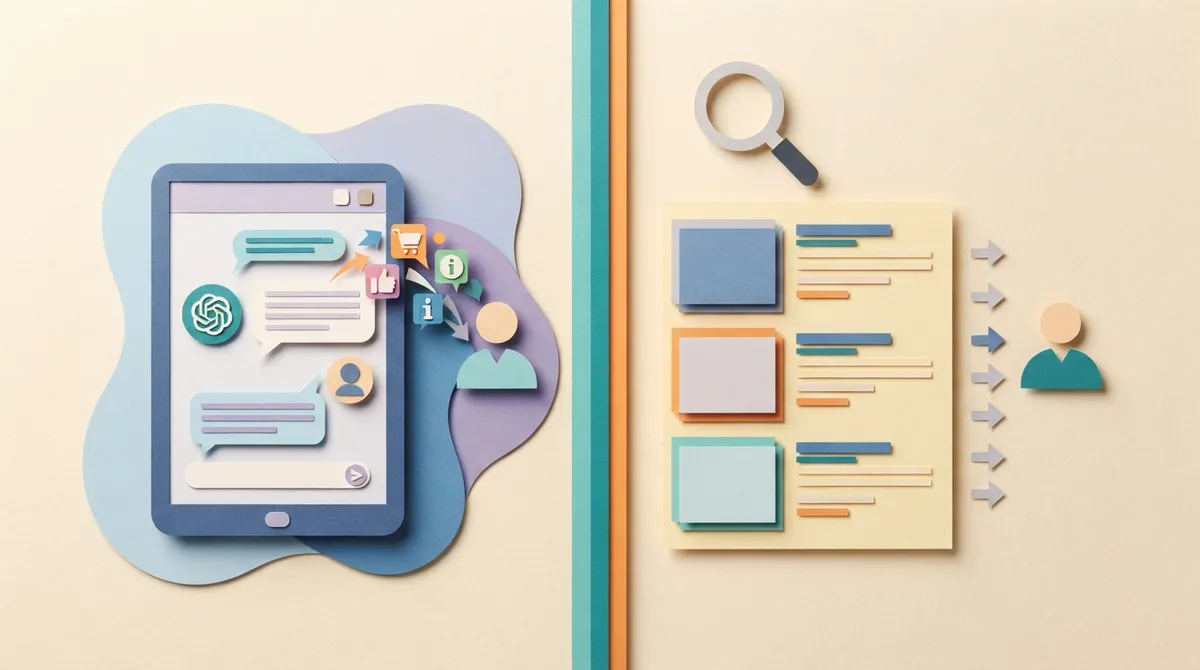
Many owners ask if they should swap one channel for the other. The answer is usually no. They work in different ways, and each plays a role.
| Feature | ChatGPT Native Ads | Google Ads |
|---|---|---|
| Where ads appear | Inside AI conversations | Search results and partner sites |
| How people ask | Long, detailed questions | Short keyword phrases |
| Targeting style | Topic and conversation context | Keywords, audiences, location |
| Maturity | New and still changing | Proven and well documented |
| Best use | Reaching research-minded buyers | Capturing ready-to-buy searches |
A balanced plan often uses both. Google Ads catches people who already know what they want. ChatGPT ads can reach people who are still exploring. If you want to understand the proven side first, read how to run Google Ads that actually drive results.
Mistake #1: Treating ChatGPT Native Ads Like Regular Search Ads
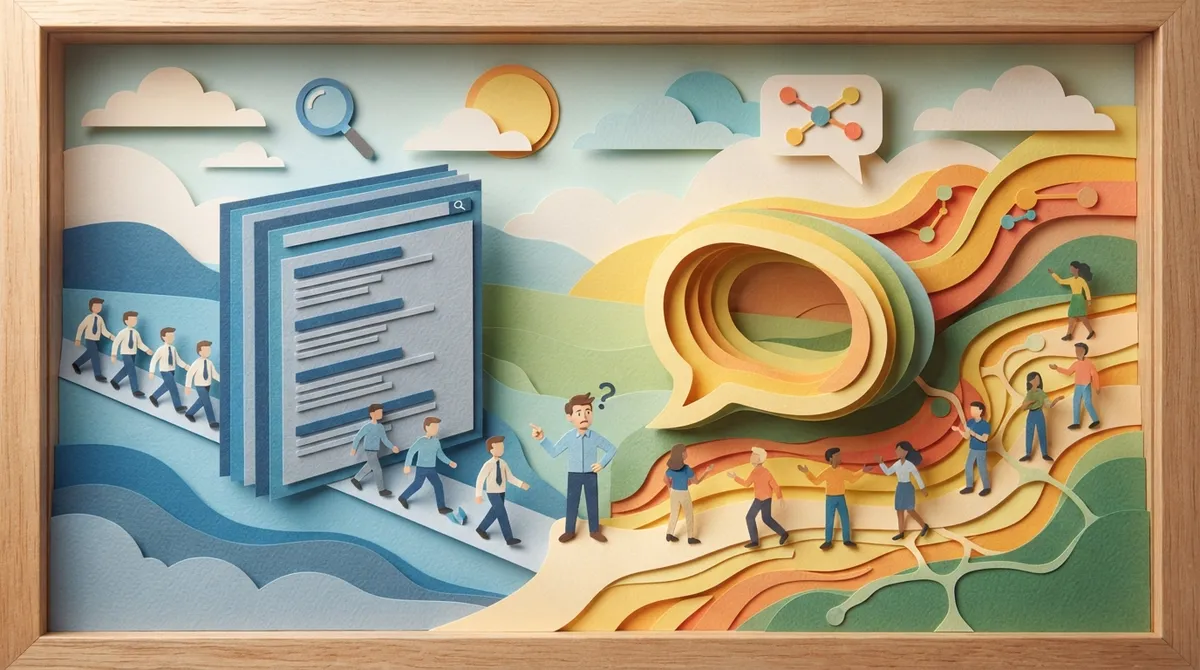
This is the most common slip. Many advertisers copy their search campaigns and paste them over. It feels efficient, but it rarely works.
Search ads focus on short keywords. ChatGPT users ask long, natural questions. A person might type, “I run a plumbing company in Brandon. How can I get more local calls?” That is a full story, not a keyword.
When your ad copy is stiff or salesy, it feels out of place. Here is how to fix it:
- Write for questions: Think about the real problems your customers describe in full sentences.
- Use a helpful tone: Sound like a friendly guide, not a billboard.
- Match the intent: Offer something useful, like a free consultation or a simple checklist.
- Keep it clear: Say what you do and who you help in plain words.
Remember, the goal is to feel like part of the answer. A small shift in tone can make a big difference in clicks.
Mistake #2: Sending Clicks to a Weak Landing Page
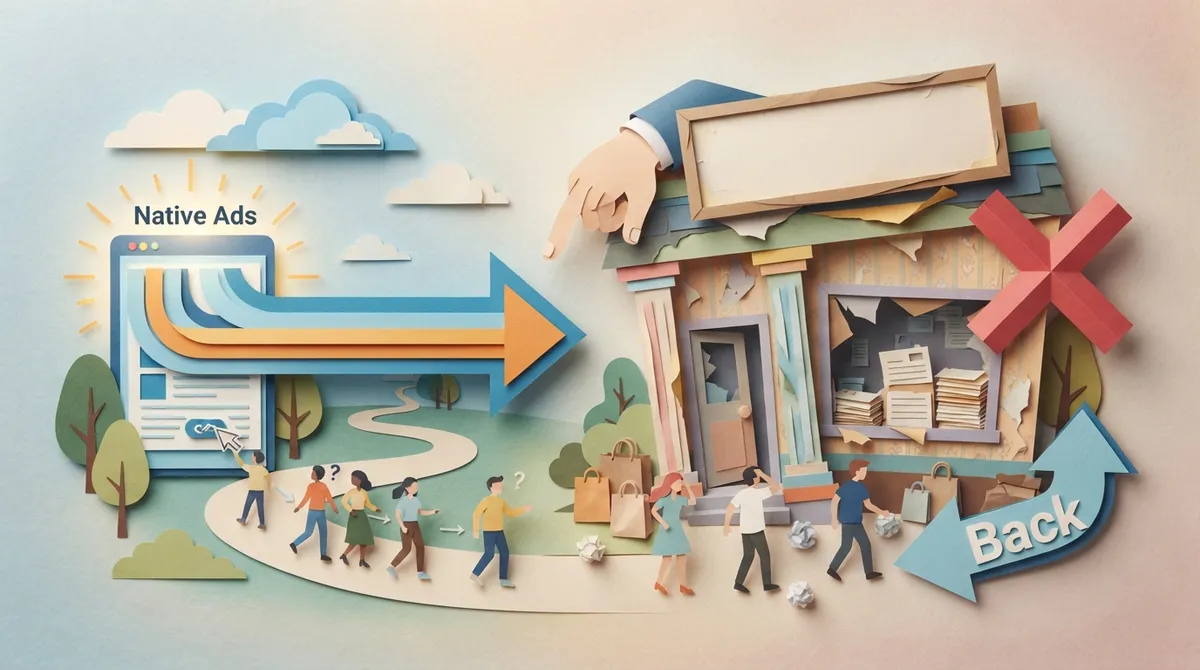
Picture this. Someone clicks your ad, full of interest. Then they land on a slow page with a confusing layout. They leave in seconds. You just paid for a click that went nowhere.
Your landing page must keep the promise your ad made. If the ad talks about local plumbing help, the page should say that in the first line. People who arrive from an AI chat often have done real research. They expect a clear and quick path forward.
Here are signs your page needs work:
- It takes more than a few seconds to load on a phone.
- The headline does not match the ad.
- The contact button is hard to find.
- The page has no proof, like reviews or results.
This is where strong website design pays off. A clean, fast, conversion-focused site turns ad clicks into real leads. If your current site feels outdated, a redesign may be the smartest ad investment you make. You can also see what makes a site work in 7 web design principles that drive real business results.
Mistake #3: Launching Without Tracking or a Clear Budget
The third mistake is jumping in without a way to measure results. It is easy to spend money and then wonder what happened. When you cannot see what works, you cannot improve it.
Before you launch, set up the basics:
- Define one main goal: Calls, form fills, or sales. Pick one to start.
- Connect analytics: Make sure you can see which visitors came from your ads.
- Track calls and forms: Know which clicks turn into real leads.
- Set a test budget: Start small, learn, then grow what works.
- Review monthly: Look at the numbers and adjust.
Budget planning matters here too. Keep in mind that this channel has its own ad spend requirements, and you should plan for that before you begin. Our marketing spend calculator can help you map out a sensible number. If you have ever felt your marketing dollars slip away, this guide on how to stop wasting your marketing budget in 2026 is a nice companion read.
Who Should Try ChatGPT Native Ads First?
This channel is not for everyone on day one, and that is okay. Some businesses are a better fit than others. Let’s look at who tends to benefit most.
- Small business owners who want to reach new customers before competitors do.
- E-commerce retailers with products people love to research before buying.
- Startups that need fresh ways to get noticed.
- Local service providers whose customers ask “who should I call?” type questions.
- Growing companies ready to add a new channel next to SEO and Google Ads.
If your website is not ready yet, start there. A strong site and solid SEO make every ad dollar work harder. Ads and organic work best as a team.
Why Context Matters More Than Ever in 2026
In this space, context is a big deal. The ad appears because of what the person is talking about. That means the topics and themes you choose matter a lot. If your focus is too broad, your ad may show up in the wrong place. If it is too narrow, you might miss good chances.
A smart approach is to group your ads by customer intent. Ask yourself what problem each customer is trying to solve. Then write copy that speaks to that exact need. This is also why good content helps. Clear, helpful content teaches you how your customers talk. You can learn more about that in what answer engine optimization is and how to do it.
It also helps to think about how AI tools decide what to show. If you want your business found in both paid and unpaid AI results, take a look at how to get your business recommended by AI search. Paid and organic strategies feed each other.
A Simple 5-Step Starting Plan
Ready to move forward without the stress? Here is an easy path you can follow.
- Check your site: Make sure it loads fast, looks great on phones, and has a clear call to action.
- Pick your goal: Choose one result to measure, such as phone calls or booked appointments.
- Map customer questions: List the top ten questions your customers ask before they buy.
- Write helpful ad copy: Answer those questions in a warm, plain voice.
- Test and refine: Start small, track results, and improve each month.
This plan keeps things simple. You do not need to be a tech wizard. You just need a clear goal and steady attention. Many owners also find it helpful to work with a team that handles setup, copywriting, and reporting. That way, you can stay focused on running your business.
If you want to see how others have fared, check out what clients say on our testimonials page, and learn more about Brain Buzz Marketing. We have been helping businesses grow online since 1998.
Should You Hire Help or Go It Alone?
Both paths are valid. Going it alone can work if you have time and patience to learn. But new ad channels change fast, and small errors add up. A pro can save you from costly trial and error.
Here is a quick way to decide:
- Go solo if you have a small test budget, plenty of time, and enjoy learning new tools.
- Get help if your time is tight, your budget matters, or you want faster results.
Either way, keep your eyes on the basics: a strong website, clear goals, and steady tracking. Those three things beat fancy tricks every time. When you are ready for a hand, book a free strategy call and we will talk through your options.
Want to see what our customers say? You can visit us on Google — Brain Buzz Marketing and read real reviews from people we have helped.
Stay Curious and Keep Learning
Advertising inside AI chats is still new, and the rules will keep evolving. The best thing you can do is stay curious. Read, test, and learn from your own numbers. For more tips on staying ahead of AI trends, follow us on Instagram or connect with Eric on LinkedIn. We share updates as things change, and we are always happy to chat. For tools that speed up content creation, SEO Rocket offers fully automated blog posts built to rank.
Final Thoughts
ChatGPT native ads can be a smart addition to your marketing in 2026, but only when you avoid the common traps. Do not treat them like search ads. Do not send clicks to a weak page. And never launch without tracking and a clear budget.
Get those three things right, and you give your business a real shot at reaching people at the exact moment they are asking for help. You do not have to figure it out alone, either. Our team is here to guide you with friendly, honest advice.
Ready to take the next step? Contact Us today and let’s build a plan that fits your goals and your budget.
FAQs
Q: What are ChatGPT native ads?
A: They are paid placements that show up inside a ChatGPT conversation. The ad matches the topic being discussed, so it feels like a helpful suggestion instead of an interruption. They are a great way to reach people while they are researching.
Q: Are ChatGPT native ads better than Google Ads?
A: Not better, just different. Google Ads is a proven channel that catches ready-to-buy searches, while ChatGPT ads can reach people who are still exploring. Most small businesses do best using the two together.
Q: How much do ChatGPT native ads cost?
A: Costs depend on your goals and the ad spend the platform requires. It is smart to start with a small test budget and track results before you scale. Our marketing spend calculator can help you plan a number that fits.
Q: Can a small business use ChatGPT native ads?
A: Yes, it can. Small businesses, local service providers, and startups can all test this channel with a clear goal and a simple budget. Just make sure your website is ready to turn clicks into customers.
Our Service Area