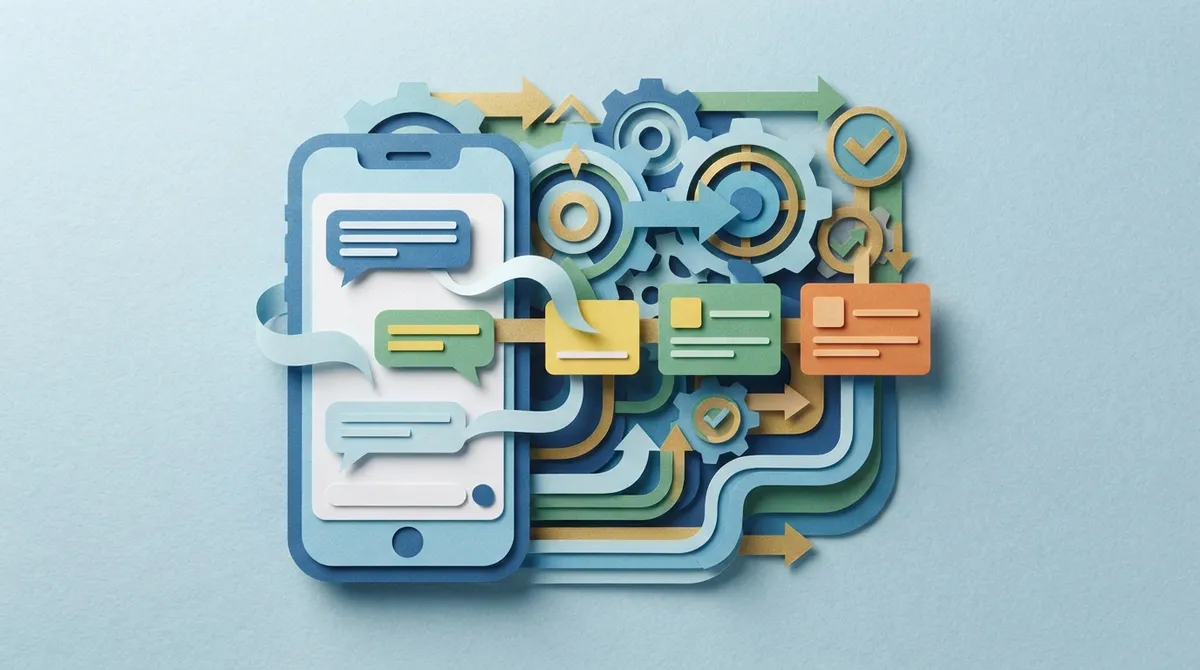
4 Mistakes to Avoid When You Advertise on ChatGPT in 2026
Learn how to advertise on ChatGPT in 2026. Avoid 4 costly mistakes and launch smarter AI ad campaigns that bring real customers.

Key Takeaways
-
Match ads to conversation intent and customer problems instead of keywords; people ask ChatGPT detailed questions like 'My kitchen sink keeps leaking and I am renting, who should I call first?' not short phrases.
-
Write specific, human-sounding context hints that describe the exact situation your business solves, not just product names; a florist should say 'Someone is planning a wedding and needs help choosing bouquets' not just 'flowers'.
-
Send ChatGPT clicks to conversion-focused landing pages that match your ad promise; visitors are further along in their decision and expect fast loading, matching headlines, and clear next steps.
-
Check platform eligibility policies before building campaigns and refine context hints weekly using real performance data to avoid wasting budget on wrong placements.
-
Review results weekly, A/B test one element at a time, and connect Google Analytics to track visitor behavior; ChatGPT-referred traffic converts at 30-40%, so small optimizations add up fast.
-
Pair ChatGPT ads with strong SEO, clear content, and AI-friendly website structure; paid ads work best as one part of a balanced marketing strategy, not a standalone effort.
Here is something I hear from business owners all the time: “I want to get in front of people using AI, but where do I even start?” If that sounds like you, take a deep breath. You are in good company, and you are asking the right question at the right time.
Learning how to advertise on ChatGPT is one of the smartest moves a small business can make in 2026. Millions of people now ask ChatGPT for advice before they ever open a search engine. They ask it who to hire, what to buy, and where to go. When your ad shows up in that moment, you meet customers right when they are ready to act.
But here is the catch. This is a brand-new channel, and new channels come with new ways to waste money. The good news? Most of those mistakes are easy to dodge once you know what they are. In this guide, we will walk through four common errors, share what to do instead, and help you launch with confidence. Let’s dig in!
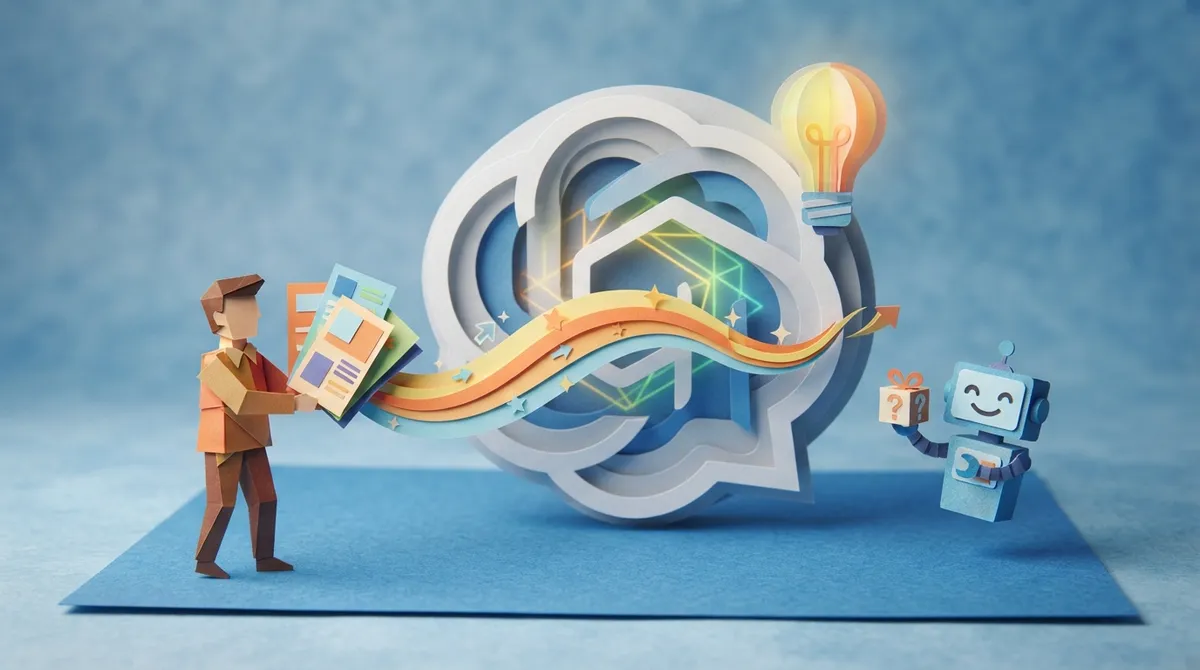
How to Advertise on ChatGPT: The Basics
Before we talk mistakes, let’s make sure we are on the same page about what ChatGPT advertising actually is. It is a paid way to place your business in front of people who are chatting with an AI assistant. Instead of matching ads to a typed keyword, the platform matches them to the topic and intent of a conversation.
Think of it like a helpful friend at a party. Someone says, “I need a new website for my bakery,” and your business gets a polite, relevant introduction. That is very different from a banner ad that follows you around the internet.
Here is the basic path most advertisers follow:
- Check that your business and offer meet the platform’s ad policies.
- Plan ad groups around what your customers are trying to solve.
- Write short, clear headlines and descriptions.
- Add context hints that tell the platform which conversations fit your ad.
- Set your budget, location, and device targeting.
- Track visitors with analytics and improve over time.
Simple enough on paper. The trouble starts when people skip steps or rush through them. That is where our four mistakes come in.
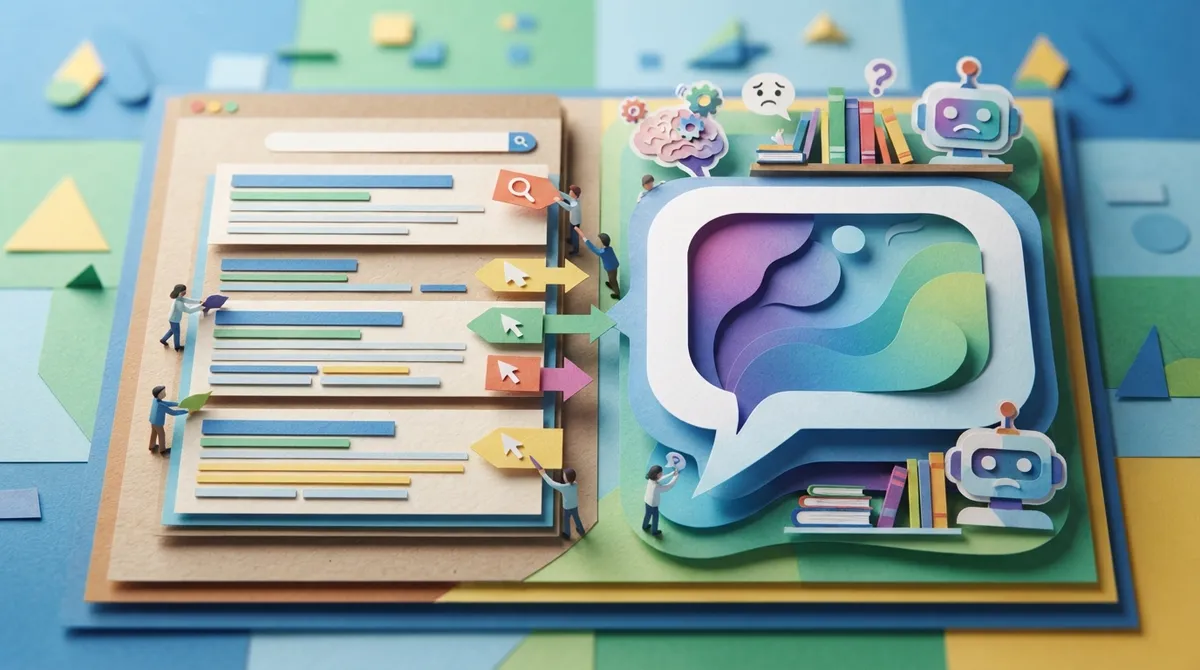
Mistake 1: Treating It Like Regular Google Ads
This is the biggest trap, and it is an easy one to fall into. If you already know how Google Ads work, it is tempting to copy your keyword lists straight over. Please do not!
Search ads are built around short phrases, like “plumber near me.” ChatGPT conversations are long, detailed, and sound like real speech. A person might type, “My kitchen sink keeps leaking and I am renting, who should I call first?” That is a whole story, not a keyword.
What to Do Instead
Shift your thinking from keywords to intent. Ask yourself what problem your customer is trying to solve and what they might say out loud. Then build your ad groups around those needs.
Here is a quick comparison to keep the difference clear:
| Factor | Google Search Ads | ChatGPT Ads |
|---|---|---|
| Matching method | Keywords | Conversation intent and context |
| User input | Short phrases | Long, natural questions |
| Ad setup focus | Keyword lists and match types | Ad groups built around customer needs |
| Key skill | Bid and keyword control | Context hints and helpful messaging |
If you want a refresher on the paid search side, our guide to running Google Ads that actually drive results is a great place to compare the two approaches.
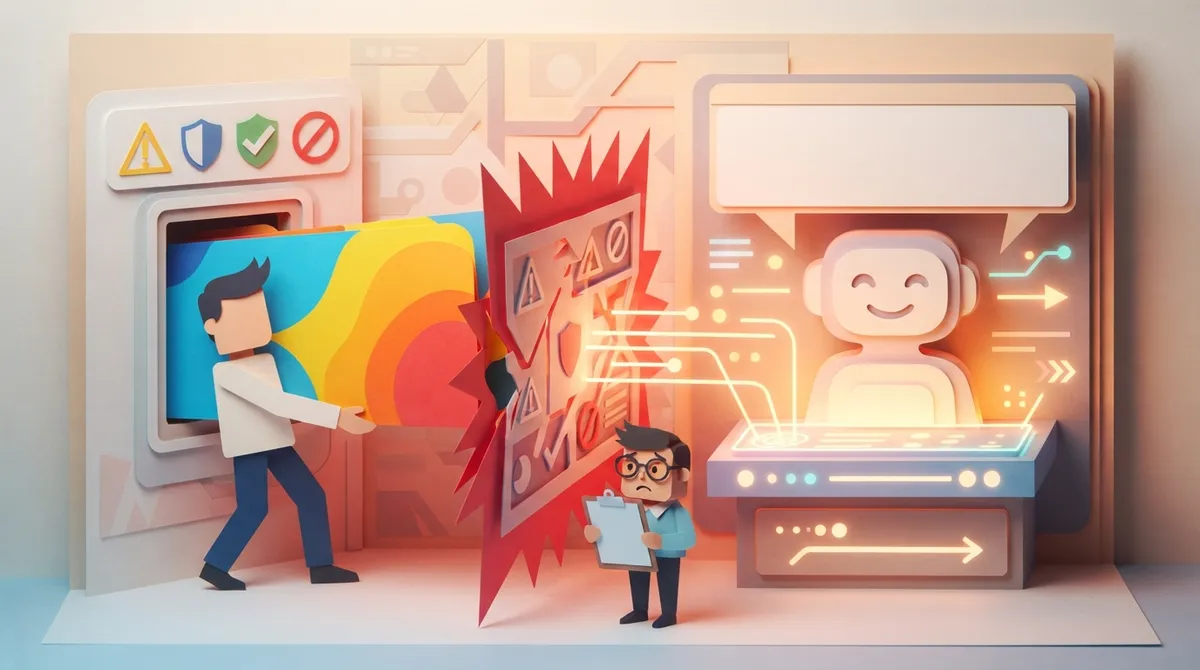
Mistake 2: Skipping the Policy Check and Context Hints
Nothing stings like building a full campaign only to learn your ad cannot run. Every ad platform has rules, and AI platforms tend to be careful about what appears inside a conversation. Skipping the eligibility check is a classic rookie error.
The second half of this mistake is ignoring context hints. A context hint is a short note that tells the platform what kinds of conversations your ad fits. Without a good one, your ad may show up in the wrong place or not at all.
Why Context Hints Matter So Much
Picture a florist who wants to reach people planning weddings. A weak hint says, “flowers.” A strong hint says, “Someone is planning a wedding and needs help choosing bouquets, centerpieces, or a florist in Tampa.” See the difference? The second one is specific, human, and tied to a real need.
- Be specific. Name the situation, not just the product.
- Stay honest. Only target conversations your business can truly help with.
- Refine often. Good hints get better with real data.
Think of context hints as the steering wheel of your campaign. Get them right early, and everything else runs smoother.
Mistake 3: Sending Visitors to a Weak Landing Page
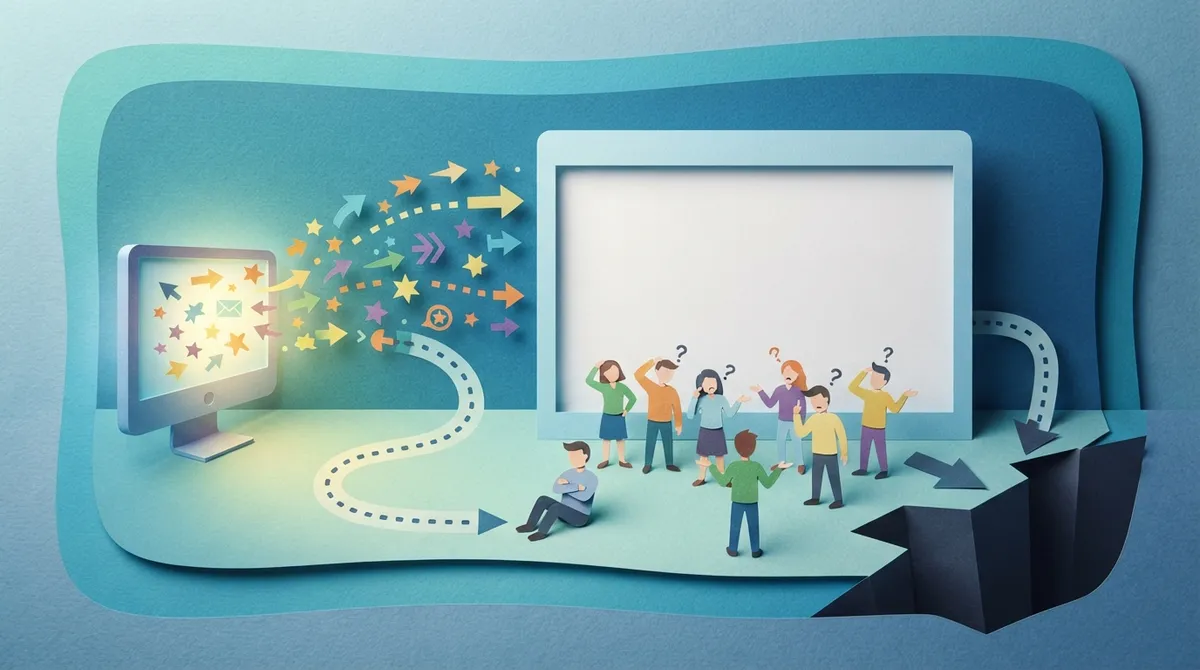
Here is where many campaigns quietly fall apart. You spend time and money winning a click, and then the visitor lands on a slow, confusing, or outdated page. They leave in seconds, and your budget goes with them.
People who click from a ChatGPT conversation are often further along in their decision. They have already been guided by the AI, so they expect a page that keeps the conversation going. That means your page needs to match the promise your ad made.
Signs Your Landing Page Needs Work
- It loads slowly, especially on a phone.
- The headline does not match what the ad said.
- There is no clear next step, like a call button or form.
- The design looks dated and hurts trust.
If your site is holding you back, a fresh start may be the best investment you can make. A conversion-focused page turns more clicks into customers, which makes every ad dollar work harder. Our team builds sites like this every day through our custom website design service, and we also cover the web design principles that drive real business results if you want to do some of the work yourself.
And a quick bonus tip: make sure your site is easy for AI tools to understand, too. When your content is clear and well structured, you help both your ads and your organic visibility. You can learn more in our guide to answer engine optimization.
Mistake 4: Setting It and Forgetting It
Launching an ad campaign and walking away is like planting a garden and never watering it. A little attention goes a long way, and this channel is still young. What works today may shift as the platform grows and adds features.
The businesses that win on ChatGPT treat it as an ongoing project. They look at the numbers, test new ideas, and keep improving. The good news is that small, steady changes add up fast.
Your Simple Optimization Routine
- Check results weekly. Look at clicks, cost, and how many visitors take action.
- Test two versions of your ad. Change one thing at a time, like the headline, and see which one wins.
- Refine your context hints. Use what you learn to sharpen who sees your ad.
- Review your budget. Move money toward what works and away from what does not.
- Update your landing page. Keep it fresh, fast, and focused.
Tracking matters here too. Connect Google Analytics so you can see exactly how ChatGPT visitors behave on your site. Without that data, you are guessing. With it, you can make smart choices and stop wasting money. Our post on analytics and reporting walks through how to read those numbers without the headache.
Who Benefits Most From ChatGPT Advertising?
Not every business needs to jump in tomorrow, but many will benefit. Here are the groups that tend to see the most promise:
- Local service providers who want to appear when someone asks for a nearby expert.
- E-commerce retailers who want to meet shoppers during product research.
- Startups that need to build awareness quickly with a small, flexible budget.
- Growing companies that want to add a fresh lead source beyond search and social.
The early advantage is real. Fewer advertisers are competing right now, which can mean more room to stand out. Research into AI search behavior is also growing quickly. In fact, we have written about how LLM-referred traffic converts at 30-40%, which shows why this audience is worth your attention.
Should You Do It Yourself or Get Help?
You can absolutely learn this yourself. Plenty of business owners do. But the honest truth is that it takes time, and time is the one thing small business owners never have enough of. Policy checks, ad copy, context hints, tracking, and monthly reporting can quickly eat up your week.
Here is a simple way to decide:
| Choose DIY If… | Choose Expert Help If… |
|---|---|
| You enjoy learning new platforms | You would rather focus on running your business |
| You have time to test and tweak weekly | Your schedule is already packed |
| Your budget is very small and experimental | You want a proven setup from day one |
| You are comfortable with analytics | You want clear monthly reports handed to you |
At Brain Buzz Marketing, we offer dedicated ChatGPT ads management for businesses that want a hand. We are a small, husband-and-wife-led team that has been in the digital marketing world since 1998, so we bring decades of know-how to a brand-new channel. Our setup covers the policy check, ad group planning, context hint writing, ad copy, location and device targeting, and Google Analytics tracking. Ongoing management includes context hint refinement, A/B testing, budget monitoring, landing page recommendations, compliance checks, and monthly reports. You can learn more about who we are and how we work, and you can see what our Brain Buzz Marketing customers say on Google.
We work 100% virtually, so you can team up with us from anywhere, whether you are in Tampa, Brandon, Orlando, or across the country.
Pairing ChatGPT Ads With Your Bigger Strategy
Here is a little secret the pros know: paid ads work best when they are not standing alone. ChatGPT advertising is a fantastic addition, but it shines brightest when it supports a healthy mix of other efforts.
Think of your marketing like a table. Each leg holds up part of the weight. Paid ads bring fast visibility, while strong content and search work build lasting trust. If you only lean on one leg, the table wobbles.
- Organic visibility: Good SEO helps people find you even when you are not paying for clicks.
- AI search readiness: Clear, helpful content helps AI tools recommend you. See our tips on getting your business recommended by AI search.
- Strong content: Helpful articles and pages build the trust that turns a click into a customer. Our content writing services can help with that.
When these pieces work together, each one boosts the others. Your ad brings a visitor, your site earns their trust, and your content keeps them coming back.
A Quick Pre-Launch Checklist
Before you hit go, run through this short list. It can save you real money and a few headaches:
- Confirm your business meets the ad policies.
- Write down the top three problems your customers want solved.
- Build one ad group around each problem.
- Draft clear, honest headlines and descriptions.
- Write specific, human-sounding context hints.
- Test your landing page on a phone.
- Connect analytics before spending a dollar.
- Set a realistic starting budget and a date to review results.
If you check every box, you are already ahead of most advertisers trying this for the first time.
Ready to Advertise on ChatGPT the Smart Way?
Learning how to advertise on ChatGPT does not have to feel overwhelming. Avoid the four mistakes we covered: copying your Google Ads playbook, skipping policy checks and context hints, sending clicks to a weak page, and setting it and forgetting it. Do that, and you will be miles ahead of the crowd.
You do not have to figure it out alone, either. If you would like friendly, experienced help launching and managing your campaign, we would love to chat. Contact us today and let’s get your business in front of the people who are already asking for what you offer. We cannot wait to hear your story!
FAQs
Q: How do I advertise on ChatGPT?
A: You start by confirming your business meets the platform’s ad policies, then plan ad groups around customer needs and write short ad copy. Next, add context hints, set your targeting and budget, and track visitors with analytics. It is a simple process once you know the steps, and a good agency can handle it for you.
Q: How is advertising on ChatGPT different from Google Ads?
A: Google Ads match your ad to short typed keywords, while ChatGPT ads match to the intent and context of a longer conversation. That means you plan around customer problems and write context hints instead of building big keyword lists. It is a fresh way of thinking, but very doable!
Q: What are context hints in ChatGPT ads?
A: Context hints are short notes that tell the platform which kinds of conversations fit your ad. The more specific and human they sound, the better your ad can reach the right people. Refining them over time is one of the best ways to improve results.
Q: How much does ChatGPT ads management cost?
A: At Brain Buzz Marketing, ChatGPT ads management is $250 per month plus a one-time $250 setup fee. Setup covers the policy check, ad planning, copywriting, targeting, and tracking, while monthly management covers testing, monitoring, and detailed reporting.
Q: Is ChatGPT advertising worth it for small businesses?
A: For many small businesses, yes! It is a new channel with fewer advertisers, which can give you more room to stand out. It works best when paired with a strong website and solid SEO, so your clicks turn into real customers.
Our Service Area