5 Website Design for SEO Fixes That Boost Rankings (2026)
Learn 5 website design for SEO strategies that boost rankings, speed, and conversions for small businesses in 2026.

Key Takeaways
-
Build a clean site structure with logical navigation (max 7 menu items), simple URLs, and XML sitemaps so Google can crawl faster and rank your pages higher.
-
Optimize page speed to load in under 3 seconds using image compression, fast hosting, and CDNs—even a 1-second improvement significantly boosts conversions and rankings.
-
Design mobile-first with responsive layouts since over 50% of traffic comes from phones and Google uses mobile-first indexing for ranking decisions.
-
Include on-page SEO elements on every page: one H1 with target keyword, unique title tags, meta descriptions, alt text on images, and internal links to help Google understand your content.
Ever build a gorgeous website, hit publish, and then… crickets? No calls. No form fills. Just a pretty digital brochure nobody sees. You’re not alone. Thousands of small business owners fall into this trap every year. They think design and SEO are two separate jobs. They are not. Website design for SEO means building a site that looks great AND gets found on Google. It’s the secret sauce that turns your website into a customer magnet.
At Brain Buzz Marketing, we’ve watched this story play out again and again with business owners across Tampa, Brandon, and Riverview. The good news? Fixing it doesn’t require a total overhaul. Below are 5 proven website design for SEO strategies that actually move the needle in 2026. Let’s dig in.
1. Build a Site Structure Search Engines Can Actually Understand
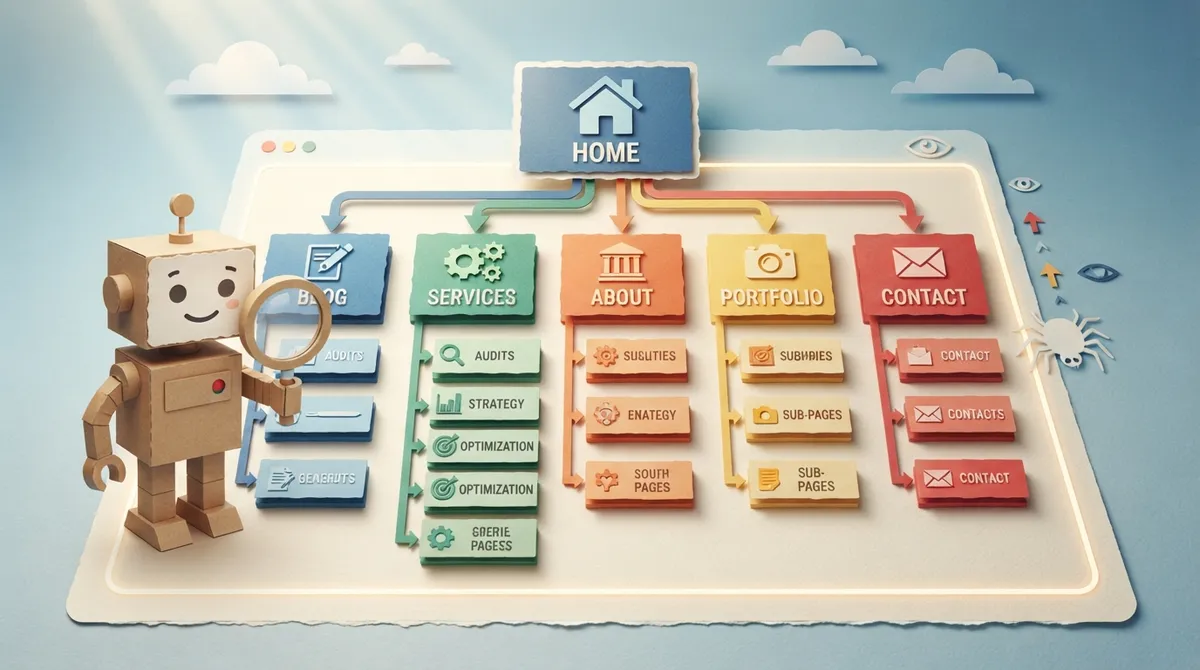
Think of your website like a house. If the hallways are confusing, guests get lost and leave. Search engines feel the same way about messy site structures. A clean, logical layout helps Google crawl your pages faster and rank them higher.
Here’s what a smart structure looks like:
- A clear homepage that links to your main service or product categories
- Simple URLs like yoursite.com/services/website-design instead of confusing strings of numbers
- A logical menu with no more than 7 main items
- Breadcrumb navigation so visitors (and Google) always know where they are
- An updated XML sitemap submitted to Google Search Console
When your website design follows this kind of logic, search engines reward you with better crawl rates and stronger rankings. It also makes life easier for your visitors, which keeps them on your site longer. That’s a win-win in Google’s eyes.

2. Speed Things Up (Because Nobody Waits Anymore)
Here’s a hard truth: if your site takes more than 3 seconds to load, most visitors leave. Google notices this too. Page speed is now a major ranking factor, especially for mobile searches.
Follow these steps to speed things up:
- Compress all images before uploading them (tools like TinyPNG work great)
- Choose fast, reliable hosting instead of cheap shared servers
- Remove unused plugins and scripts that slow down your backend
- Enable browser caching so repeat visitors load pages faster
- Use a Content Delivery Network (CDN) to serve your site from servers closer to your visitors
Small business owners often skip this step because it feels technical. But speed improvements are some of the fastest wins in SEO. Even a one-second improvement can boost conversions significantly, according to industry studies referenced in Google E-E-A-T guidance on quality signals.
3. Make Mobile the Star, Not an Afterthought
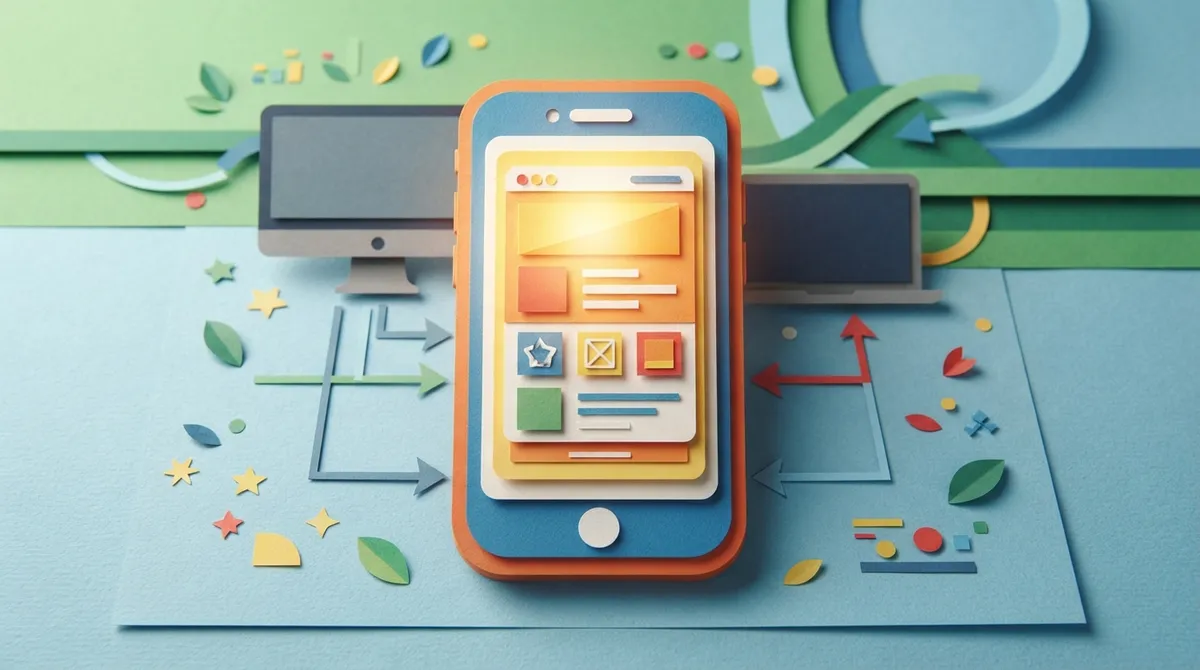
More than half of all web traffic now comes from phones. Google uses mobile-first indexing, meaning it looks at your mobile site first when deciding how to rank you. If your mobile experience is clunky, your rankings suffer everywhere.
Signs Your Mobile Design Needs Help
Watch for these red flags:
| Warning Sign | Why It Hurts SEO |
|---|---|
| Text too small to read without zooming | Google flags poor mobile usability |
| Buttons too close together | Increases bounce rate from frustrated tapping |
| Pop-ups covering the whole screen | Google may penalize intrusive interstitials |
| Slow-loading mobile images | Hurts Core Web Vitals scores |
| Horizontal scrolling required | Signals a non-responsive design |
Responsive design fixes all of this by automatically adjusting your layout for any screen size. E-commerce retailers especially need to nail this, since shoppers often browse and buy directly from their phones. A well-built website agency will test your site on real devices, not just desktop previews, before calling a project done.
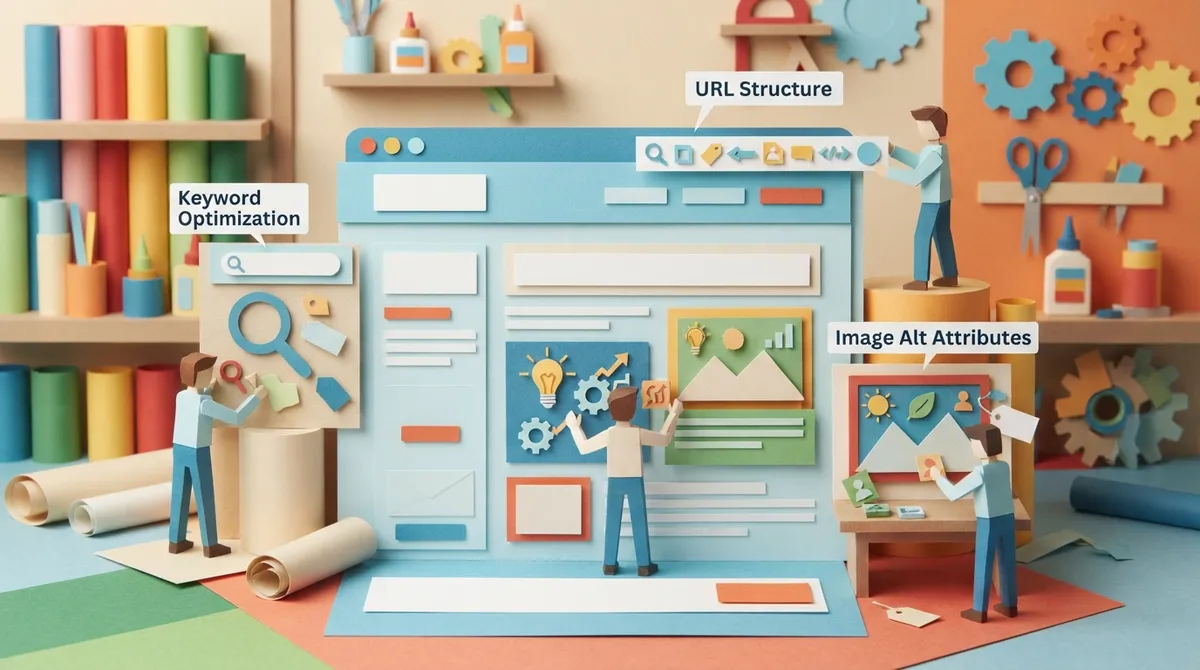
4. Use On-Page SEO Elements the Smart Way
Great design isn’t just about how things look. It’s about how search engines read your content too. This is where many DIY websites fall short. They look nice but are missing the technical bones that help Google understand what each page is about.
Here’s what every page on your site needs:
- One clear H1 heading that includes your target keyword
- Descriptive title tags and meta descriptions for every page
- Alt text on all images describing what they show
- Internal links connecting related pages together
- Schema markup so Google can display rich results like star ratings or FAQs
This is exactly where content writing services and design need to work hand in hand. A gorgeous page with zero keyword strategy is like a beautiful storefront with no sign out front. Nobody knows what’s inside. Marketing managers juggling multiple channels should treat on-page SEO as non-negotiable, not an optional extra tacked on later.
5. Design for Conversions, Not Just Clicks
Ranking on page one is only half the battle. Once visitors land on your site, your design needs to guide them toward taking action. This is called conversion rate optimization, and it works alongside SEO, not against it.
Simple ways to boost conversions through design:
- Place your phone number and contact form above the fold
- Use contrasting colors for your call-to-action buttons
- Add trust signals like reviews, certifications, or client logos
- Keep forms short (name, email, and message is usually enough)
- Include clear next steps on every single page
Local service providers benefit enormously from this approach. Someone searching “plumber near me” doesn’t want to hunt for your phone number. They want it front and center. Startups launching their first site should build these habits in from day one rather than retrofitting them later.
Website Design for SEO: A Quick Comparison
Not sure where your current site stands? Here’s a snapshot comparing outdated approaches to modern best practices.
| Old Approach | Modern SEO-Friendly Approach |
|---|---|
| Flashy design with heavy graphics | Fast-loading, optimized images and clean code |
| Desktop-first layout | Mobile-first responsive design |
| Generic page titles | Keyword-rich, unique titles per page |
| No internal linking strategy | Strategic internal links guiding users and crawlers |
| Ignoring AI search trends | Optimized for AEO and GEO alongside traditional SEO |
Speaking of AI search, this is a trend every business owner needs on their radar. Search is evolving fast, and content built only for traditional Google results may miss out on the growing wave of AI-generated answers. Learning how to approach answer engine optimization now puts you ahead of competitors still stuck in old habits.
Why Design and SEO Can’t Be Separated Anymore
For years, businesses treated web design and SEO like two different departments. Design made things pretty. SEO made things findable. That split doesn’t work anymore. Google’s algorithms now weigh user experience signals directly into rankings.
This means your bounce rate, time on page, and mobile usability all factor into where you land in search results. A stunning site that loads slowly will rank worse than a simpler site that loads instantly. This is why choosing between SEO-first or design-first website building matters so much for long-term success.
For marketing managers overseeing multiple projects, this integrated approach also simplifies reporting. Instead of separate SEO and design budgets fighting for priority, you get one cohesive strategy driving traffic and conversions together.
Common Mistakes That Sabotage Your Rankings
Even well-meaning business owners make these errors when building or updating their sites:
- Copying content from other pages, creating duplicate content penalties
- Forgetting to set up Google Analytics and Search Console from day one
- Using generic stock templates with zero customization for SEO
- Ignoring broken links after a redesign or migration
- Ranking as a top priority.
If any of these sound familiar, it might be time for a website redesign. A fresh start built with SEO baked in from the beginning saves time and money compared to fixing problems piecemeal later on.
How Brain Buzz Marketing Approaches Website Design for SEO
We’ve been in this industry since 1998, which means we’ve seen search engines evolve from simple keyword matching to today’s complex, AI-driven systems. Our team builds every website with SEO, GEO, and AEO strategy baked into the foundation, not added as an afterthought.
We serve small businesses throughout Tampa, Brandon, Riverview, Valrico, and beyond, along with clients across Florida and nationwide. Every project gets the same attention to detail, whether you’re a local service provider or an e-commerce retailer scaling nationally. You can check out our client testimonials to see real results from real businesses.
Curious what other business owners are saying? You can also visit us on Google — Brain Buzz Marketing to read reviews directly from our community. We’re proud of the relationships we’ve built, and we’d love to add your success story to the list.
Ready to Build a Site That Ranks and Converts
Website design for SEO isn’t a one-time project. It’s an ongoing relationship between how your site looks, how fast it loads, and how well it speaks Google’s language. Get these five fixes right, and you’ll see the difference in traffic, leads, and sales.
Whether you’re a startup building your first site or an established business ready for a redesign, our team is here to help. Contact Us today to talk through your goals, and let’s build something that actually works for your business. You can also follow our team’s insights through Eric’s LinkedIn and Nicole’s LinkedIn, or connect with us on Instagram and Facebook for more tips like these.
FAQs
Q: What is website design for SEO exactly?
A: It’s the practice of building a website that looks great AND is structured to rank well on Google. Think fast load times, mobile-friendly layouts, clean navigation, and proper on-page SEO elements all working together.
Q: Does a fast website really help my Google rankings?
A: Absolutely! Page speed is a confirmed ranking factor, and slow sites frustrate visitors too. Speeding up your site can improve both your search position and your conversion rates at the same time.
Q: Can I fix my current website instead of building a new one?
A: In many cases, yes! Fixes like image compression, mobile optimization, and adding proper meta tags can make a big difference without a full rebuild. But if your site is very outdated, a redesign might save time in the long run.
Q: How long does it take to see SEO results from a redesign?
A: Most businesses start seeing early improvements within 4 to 8 weeks, with stronger gains building over 3 to 6 months. SEO is a marathon, not a sprint, but a well-designed site gives you a huge head start.
Q: What’s the difference between SEO and AEO for website design?
A: SEO focuses on ranking in traditional Google search results, while AEO (Answer Engine Optimization) focuses on getting your content featured in AI-generated answers and chatbot responses. Smart website design in 2026 accounts for both.
Our Service Area