6 Ways ChatGPT Ranks Websites in 2026
Discover how does ChatGPT rank websites and the six simple factors that get your business cited in AI answers in 2026.

Key Takeaways
-
ChatGPT builds one written answer and cites a few sources instead of showing a ranked list of links, so the goal is to be named or cited inside the answer itself.
-
Lead each section with the question as a heading and answer it in the first one or two sentences, since AI skips content that buries the answer.
-
Build trust signals like real author bios, genuine reviews, certifications, and accurate contact details, which help AI treat your business as credible.
-
Earn consistent brand mentions across trusted places such as Google Business Profile, local news, industry directories, and podcasts, keeping your name, address, and phone number identical everywhere.
-
Cover your topic in depth with a group of connected, helpful articles (topical authority) rather than relying on one isolated blog post.
-
Maintain a fast, mobile-friendly, crawlable site with clean structure, HTTPS, and schema markup so AI bots can read and understand your pages.
Here’s something that surprises a lot of business owners: ChatGPT doesn’t have a page-one list like Google does. There are no ten blue links. Instead, it gives one answer, and your website is either in that answer or it isn’t. So how does ChatGPT rank websites, and what can you do to show up?
We’ve been helping businesses get found online since 1998, and we’ve watched search change many times. This shift is one of the biggest. In 2026, more people are asking ChatGPT questions like “who is the best web designer near me?” instead of typing them into a search bar. That means a new kind of visibility matters now.
The good news? You don’t need to be a big brand to win. Small and mid-sized businesses can earn mentions with the right moves. In this guide, we’ll walk through six factors that shape how ChatGPT picks and cites websites. We’ll keep it simple, friendly, and practical, so you can start putting it to work today.
First, How Does ChatGPT Actually Choose Websites?
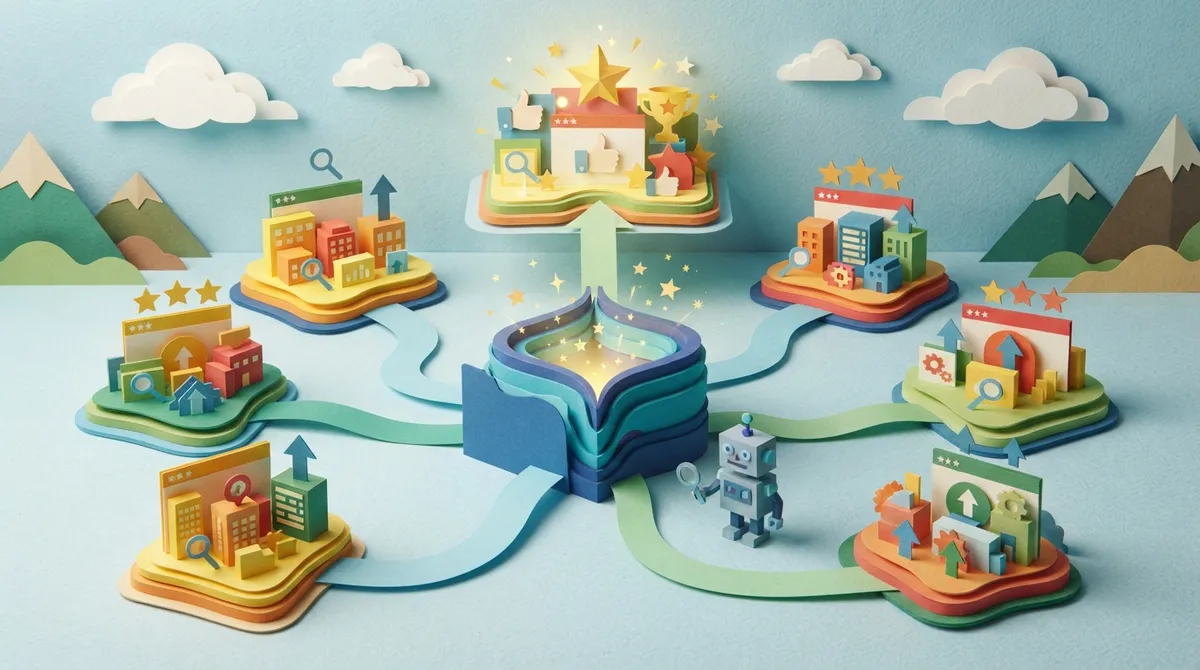
ChatGPT doesn’t rank pages the way a classic search engine does. It builds an answer from two main sources. The first is its training data, which is a huge snapshot of text it learned from. The second is live web search, which it can use to pull in fresh sources and show links.
When it searches the web, it looks for pages that clearly answer the question, come from trusted sources, and are easy to read. Think of it as a very picky research assistant. It wants the best, clearest, most trustworthy source, and it cites the ones it can quickly understand.
This is why many marketers now talk about answer engine optimization alongside regular SEO. The goal is not just to rank. The goal is to be the source the AI trusts enough to quote.
Here’s a quick look at how the two approaches differ:
|
Factor |
Traditional Google SEO |
ChatGPT Visibility |
|---|---|---|
|
Result format |
List of ranked links |
One written answer with a few cited sources |
|
Main goal |
Earn clicks from a results page |
Earn a mention or citation inside the answer |
|
Key signals |
Keywords, links, page speed, relevance |
Clarity, trust, structure, brand mentions |
|
Content style |
Keyword-focused pages |
Direct answers to real questions |

6 Ways ChatGPT Ranks Websites
Now let’s get into the six factors. None of these are magic tricks. They’re solid habits that make your site easier for both people and AI to trust.
1. Clear, Direct Answers to Real Questions
ChatGPT loves content that answers a question fast. If a page buries the answer under five paragraphs of fluff, the AI will skip it and grab a clearer source instead.
Try this simple pattern. Put the question in a heading. Then answer it in the first one or two sentences. After that, add the details. This style helps you win both AI answers and Google’s featured snippets.
For example, if you run a local plumbing company, don’t just write “Our Services.” Write “How much does a water heater replacement cost in Tampa?” and then give a real number range right away. Short, honest, helpful answers get cited.
If you want a deeper look at this idea, our guide on answer engine optimization facts breaks it down step by step.
2. Strong Authority and Trust Signals
ChatGPT leans toward sources that look trustworthy. This ties right into Google’s E-E-A-T idea, which stands for Experience, Expertise, Authoritativeness, and Trustworthiness. If you want a refresher, we wrote about Google E-E-A-T in detail.
Here are the signals that help most:
-
Real author names and bios that show who wrote the content and why they know the topic
-
Genuine reviews and testimonials that prove customers trust you
-
Certifications and credentials that back up your expertise
-
Accurate contact details and a clear About page
-
Fresh, updated content so nothing feels stale or outdated
When customers can see you’re real, ChatGPT can too. Reading client testimonials and seeing certifications are the kinds of proof points that build confidence.
3. Brand Mentions Across the Web
Here’s where things get interesting. ChatGPT picks up on how often and how positively a brand is mentioned across the internet. It’s a bit like word of mouth. If many trusted places talk about your business, the AI is more likely to treat you as a real player.
That means your reputation outside your own website matters a lot. Helpful places to build mentions include:
-
Your Google Business Profile and its reviews
-
Local news sites, blogs, and community pages
-
Industry directories and professional associations
-
Social profiles that stay active and consistent
-
Podcasts, interviews, and guest articles
Keep your business name, address, and phone number the same everywhere. Consistency helps AI tools connect the dots and know it’s all the same business. Our post on Google My Business management is a great place to start. And if you’d like to see how other Brain Buzz Marketing customers feel about working with us, you can visit us on Google — Brain Buzz Marketing and read the reviews for our Tampa Bay team.
4. Content Structure That AI Can Easily Read
Even great content can get ignored if it’s messy. ChatGPT reads text, so clear structure is a big help. Think of it like organizing a closet. When everything has a place, it’s easy to find.
Here’s a simple checklist for an AI-friendly page:
-
Use one clear H1 and logical H2 and H3 headings.
-
Write short paragraphs of two to four sentences.
-
Use bullet lists and tables to summarize key facts.
-
Add an FAQ section that answers common questions in plain words.
-
Include schema markup so machines know what each part of the page means.
Schema markup is hidden code that labels your content, like marking something as a FAQ, a review, or a local business. It’s a quiet little helper that makes your site easier to understand. We cover these ideas in our post on how AI search algorithms actually work.
5. Topical Depth and Content Quality
ChatGPT tends to trust sites that cover a topic thoroughly. One lonely blog post won’t do it. A group of connected, helpful articles shows you truly know your subject. This idea is called topical authority.
Picture a Tampa dentist who writes about teeth whitening, braces, emergency care, and kids’ dental tips. Together, those pages tell AI, “This site really knows dental care.” That depth makes the site a safer pick to quote.
Quality matters more than volume, though. Every piece should be original, accurate, and useful. Thin or copied content gets ignored. If you need help building a steady stream of strong articles, our content writing services are built around keyword-focused, helpful writing. And remember, content really is the backbone here, as we explain in 15 reasons content is the backbone of SEO in 2026.
6. Solid Technical Foundations
Even the smartest content can’t help if the AI can’t reach it. A healthy, fast, crawlable website is the base of everything else. If your site is slow, broken, or hard to read on a phone, you’ll lose out.
Here’s what to check:
-
Fast page speed on both mobile and desktop
-
Mobile-friendly design that works on every screen size
-
Clean site structure with clear menus and internal links
-
Secure HTTPS across the whole site
-
Open crawling so search and AI bots can read your pages
This is where a well-built site makes a huge difference. A professional custom website design gives you speed, clean code, and a layout built to convert visitors. Good on-page SEO then makes sure every page is labeled and organized the right way.
How Is This Different From Google Rankings?
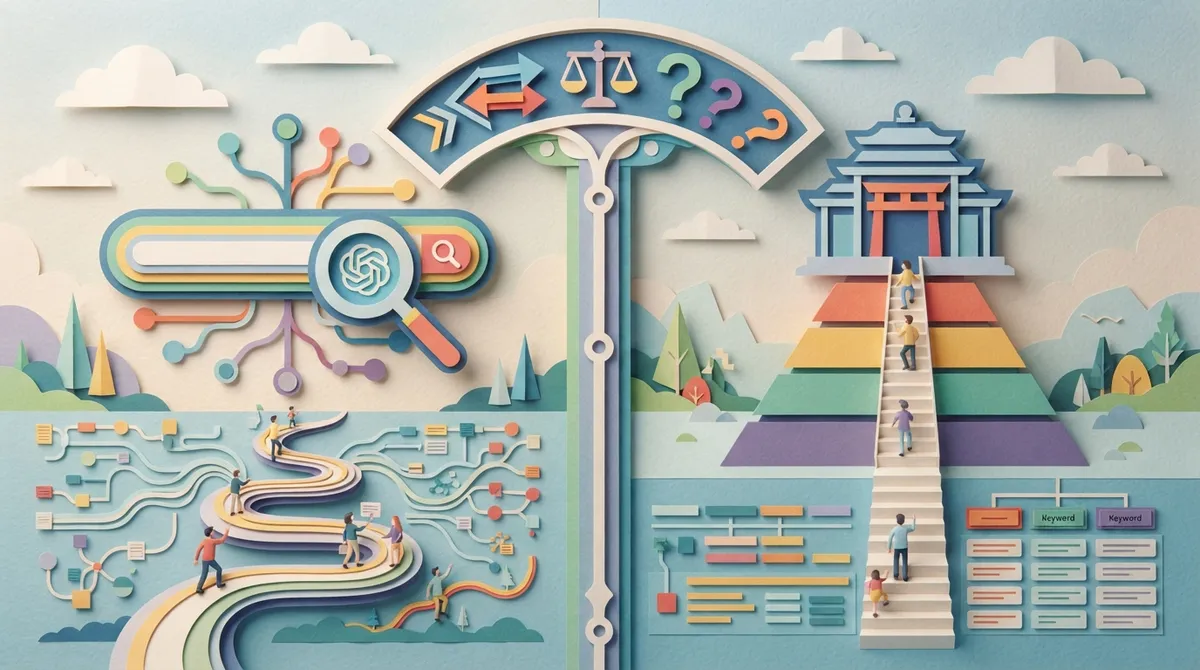
Many people wonder if they need to pick between Google and ChatGPT. The honest answer is no. Strong SEO and strong AI visibility share a lot of the same roots. Good content, trust, and a solid site help you in both places.
The big shift is the finish line. With Google, you want the click. With ChatGPT, you want to be named or linked inside the answer. Some businesses are even seeing that AI-referred visitors convert well, as we discuss in this look at LLM-referred traffic.
If you’re curious how the two fit together, read our comparison on SEO vs. AEO. And if you want a full game plan, check out how to get your business recommended by AI search.

Who Benefits Most From Optimizing for ChatGPT?
Honestly, almost any business can benefit, but a few groups gain the most right now:
-
Local service providers who want to be the name AI suggests for “near me” questions
-
E-commerce retailers who want products mentioned in shopping-style answers
-
Startups that need fast visibility without a huge ad budget
-
Growing companies that want steady, long-term lead flow
-
Businesses with outdated sites that need a refresh to compete in 2026
If your website feels old or underperforming, a rebuild can unlock all six factors at once. A conversion-focused, fast, well-structured site gives AI and people exactly what they’re looking for.
Your Simple Action Plan
Feeling a little overwhelmed? Take a breath. You don’t have to do everything in one day. Start here:
-
Pick your top five customer questions and answer each one clearly on your site.
-
Update your Google Business Profile and ask happy customers for reviews.
-
Add author bios, credentials, and real contact info to your pages.
-
Clean up your headings, add an FAQ, and use schema markup.
-
Check your site speed and fix anything slow or broken.
-
Keep publishing helpful content on a steady schedule.
Small, steady steps add up. Think of it like planting a garden. A little care each week leads to big growth over time.
Ready to Get Found by ChatGPT?
Learning how ChatGPT ranks websites is the first step. Putting it to work is where the real wins happen. Clear answers, strong trust, brand mentions, smart structure, topical depth, and a fast site all work together to make your business the one AI recommends.
At Brain Buzz Marketing, we’re a small but mighty husband-and-wife team with experience going back to 1998. We work virtually with businesses across Tampa Bay, all of Florida, and the whole country, and we focus on custom websites, SEO, Google Ads, and AI-ready content that gets results. Want a friendly, no-pressure chat about where your site stands? Contact us today and let’s get your business showing up where your customers are asking questions.
FAQs
Q: Does ChatGPT have its own search ranking like Google?
A: Not in the same way. ChatGPT builds one written answer and cites a few sources instead of showing a ranked list of ten links. Your goal is to be one of the trusted sources it mentions.
Q: How can I get my website to show up in ChatGPT answers?
A: Focus on clear answers to real customer questions, strong trust signals like reviews and credentials, and a fast, well-structured site. Mentions of your brand on other trusted sites help too. It’s a lot like good SEO, with extra attention on clarity.
Q: Is SEO still important if people use ChatGPT?
A: Yes, absolutely! Many of the same habits that help you on Google, like quality content, trust, and a healthy site, also help you with AI tools. Think of SEO and AI visibility as teammates, not rivals.
Q: How long does it take to see results in ChatGPT?
A: It varies, but most businesses see progress over a few months as content, reviews, and brand mentions build up. Staying consistent is the secret. Small weekly improvements add up to real visibility.