7 AI Search Advertising Moves That Win Customers in 2026
Reach more customers in 2026 with 7 simple ai search advertising moves, from smarter ad copy to local targeting.

Key Takeaways
-
AI search ads appear in Google's AI-generated overviews and ChatGPT conversations, matched by question intent rather than single keywords, requiring different ad strategies than traditional search advertising.
-
Write ads answering full customer questions (e.g., 'Who can fix a leaking pipe tonight near Brandon?') rather than short keywords, then match each ad to a landing page that continues the answer for better conversions.
-
Build fast-loading, mobile-friendly landing pages with clear headlines, proof elements like reviews, and one simple call-to-action to convert clicks into customers, as weak pages waste even the best ads.
-
Use structured, AI-friendly content with clear headings, FAQ sections, schema markup, and consistent business information across platforms so AI tools can understand and recommend your business.
-
Start with a small 30-60 day test budget on one or two profitable services, tracking conversions and cost-per-lead rather than clicks, then pause underperformers and scale what works.
-
Set tight location targets around your service area, mention your city in ad copy and landing pages, keep your Google Business Profile updated with fresh reviews to capture local 'best' and 'closest' searches.
Remember when search advertising meant bidding on a few keywords and hoping for clicks? Those days are fading fast. In 2026, people ask questions out loud, chat with AI assistants, and get full answers before they ever see a list of links. That shift is changing how businesses reach customers, and it is creating a brand-new playing field for ads.
If you run a small business, an online store, a startup, or a local service company, you might feel a little lost right now. That is totally normal! The good news is that ai search advertising is not as scary as it sounds. It is simply the practice of showing your ads inside AI-powered search experiences, like Google’s AI features and ChatGPT, where people already look for answers and recommendations.
In this guide, we will walk through seven practical moves you can make today. You will learn what AI search advertising is, where your ads can appear, and how to build a plan that fits your budget. Grab a coffee and let’s dive in together.
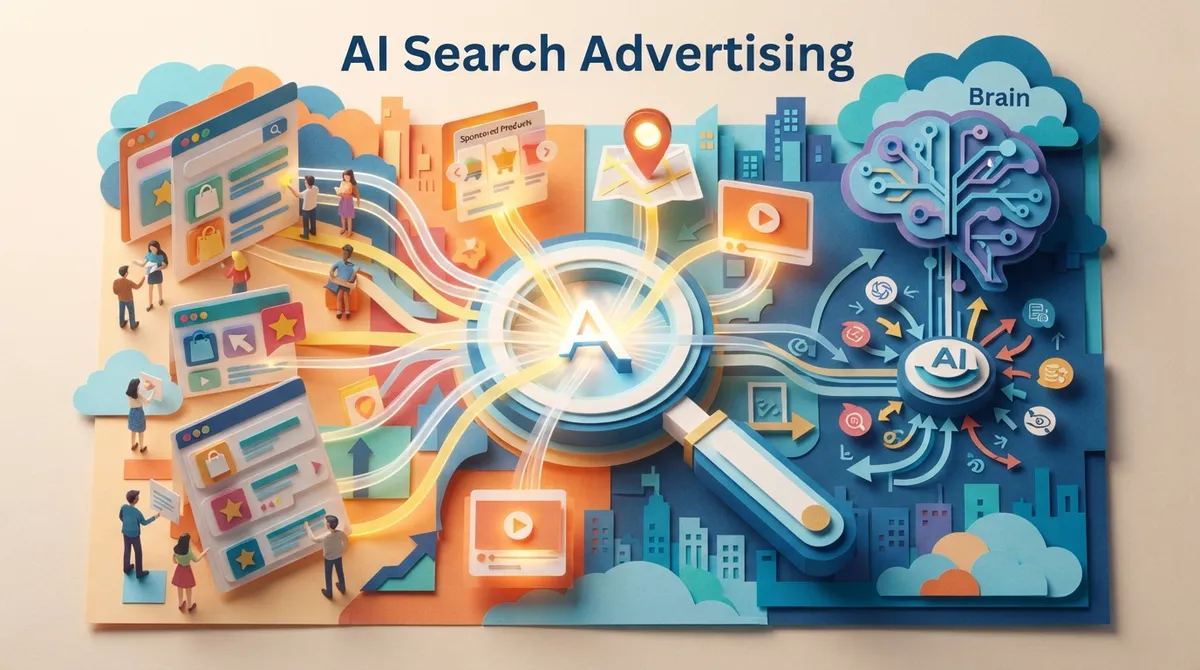
What Is AI Search Advertising?
AI search advertising means placing paid ads in search tools that use artificial intelligence to answer questions. Instead of only matching a keyword, these tools read the full meaning of a question. Then they show an answer, and sometimes an ad that fits the need.
Think of it like this. A shopper types, “What is the best accountant for a small bakery in Tampa?” An AI tool writes a helpful answer. A well-placed ad can show up right alongside it. That is a powerful moment, because the person is ready to act.
Here is why this matters for you:
- People ask longer, more detailed questions than ever before.
- AI tools give quick answers, so fewer people click through ten blue links.
- Ads that match the real intent behind a question can win trust fast.
If you want to see how this fits into the bigger picture, check out our guide on 10 ways to optimize for AI search results in 2026.

1. Understand Where AI Search Ads Actually Appear
Before you spend a dollar, learn where these ads live. AI search advertising is not one single thing. It shows up in a few different places, and each one works a little differently.
Google’s AI-Powered Results
Google now shows AI-generated overviews at the top of many searches. Ads can appear in and around these areas. Your Google Ads campaigns can reach people here, as long as your keywords, ad copy, and landing pages clearly match what people are asking.
ChatGPT and Other AI Assistants
ChatGPT has opened the door to paid placements, which is a big deal for small businesses. These ads show up based on the topic of a conversation, not just a typed keyword. If you want a deeper look, read how to start advertising on ChatGPT in 2026.
Quick Comparison
| Platform | How Ads Are Matched | Best For |
|---|---|---|
| Google AI results | Keywords plus search intent | Local services, e-commerce, lead generation |
| ChatGPT | Conversation topic and context | Research-heavy buyers, B2B, high-consideration purchases |
| Traditional search ads | Exact and phrase keywords | Ready-to-buy customers |
Knowing where to show up helps you pick the right starting point. You do not have to be everywhere at once!
2. Write Ads Around Questions, Not Just Keywords
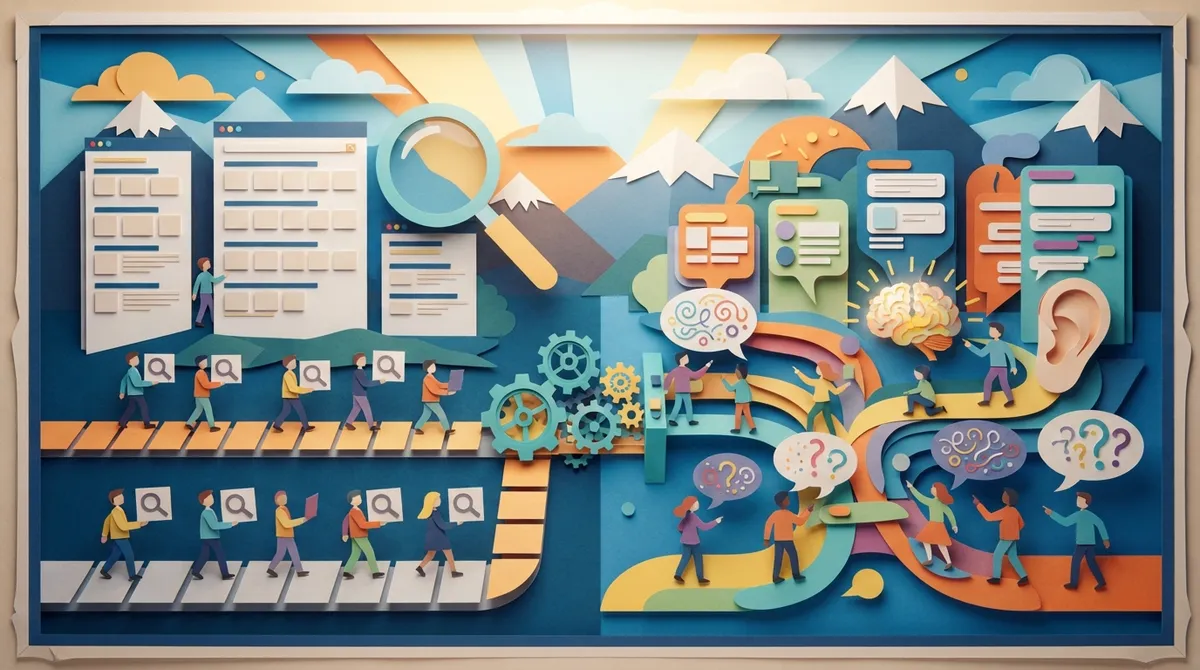
Old-school ads focused on short phrases like “plumber Tampa.” AI search ads work best when they answer the full question behind the phrase. People now say things like, “Who can fix a leaking pipe tonight near Brandon?”
Try these simple steps:
- List the top ten questions your customers ask before they buy.
- Write a short, clear ad that answers one question at a time.
- Use plain words. Skip the fancy jargon.
- Add a clear next step, like “Call today” or “Get a free quote.”
- Match each ad to a landing page that continues the answer.
This approach helps both people and AI tools understand what you offer. It also pairs nicely with strong content writing services that build trust before the click.
3. Build a Landing Page That Backs Up Your Ad
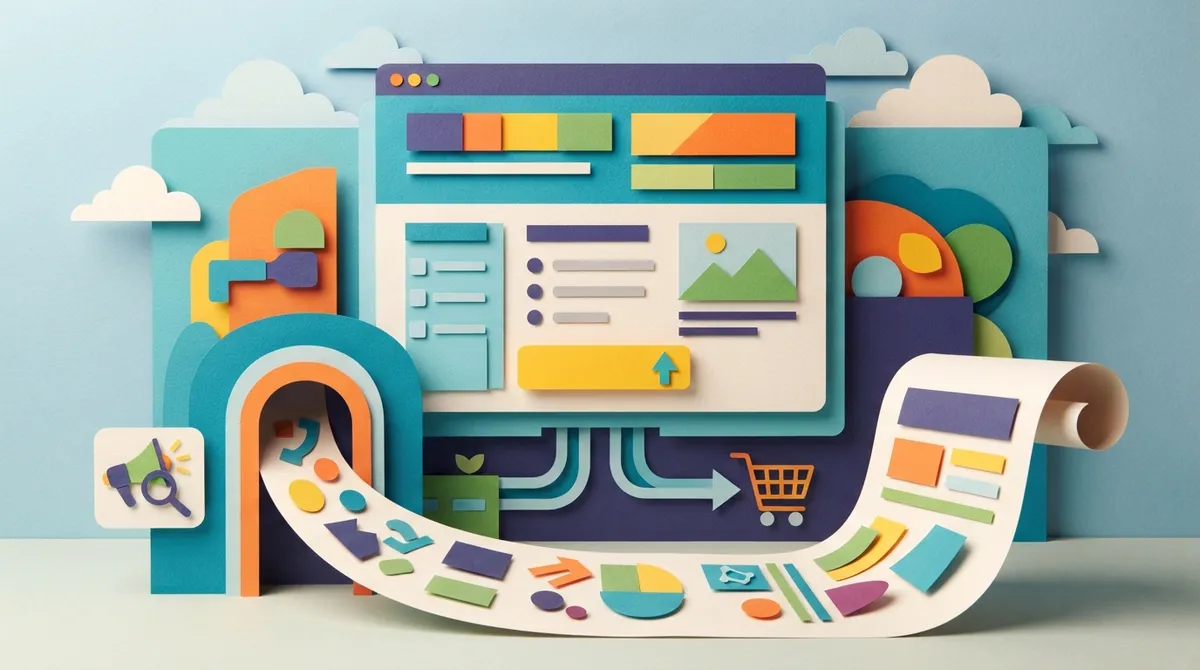
Here is a friendly truth: even the best ad cannot save a weak website. When someone clicks, your page must load fast, look clean, and give them what the ad promised.
A winning landing page usually has:
- A clear headline that matches the ad
- A short explanation of what you offer
- Proof, like reviews, photos, or results
- One simple button or form
- Fast loading on phones
If your site feels outdated, it may be time for a refresh. A fresh, conversion-focused site turns clicks into customers. Learn more about our website design approach, or see why a professionally built website matters for Google Ads success.
4. Use Clear, Structured Content That AI Can Understand
AI tools read your website to decide who to trust and who to recommend. The easier your content is to read, the better your chances. This is where SEO, AEO, and GEO all join forces with your ad strategy.
Make your pages AI-friendly by:
- Using clear headings that name the topic
- Answering questions in short, direct sentences
- Adding FAQ sections to key pages
- Including schema markup so machines can read your details
- Keeping your business name, address, and phone number consistent everywhere
Paid ads and organic content work as a team. Your ad gets the quick click, and your content builds long-term trust. Our post on what answer engine optimization is and how to do it explains this in simple terms.
5. Target Local Customers With Smart Location Settings
If you serve a specific area, AI search advertising can be a gold mine. People often ask AI tools for “the best” or “the closest” business. When your ads are tied to your service area, you can show up right when those questions pop up.
Here is how to sharpen your local reach:
- Set tight location targets around your service area.
- Mention your city or neighborhood in your ad copy and landing page.
- Keep your Google Business Profile complete and up to date.
- Collect fresh reviews from happy customers.
- Track calls and form fills so you know what works.
Local trust is huge. Strong reviews and a polished profile help both ads and AI recommendations. You can read more in our Google My Business management guide, and see how local SEO services support your ads.
Want to see how other customers feel about working with us? Visit us on Google — Brain Buzz Marketing and read the reviews.
6. Set a Smart Budget and Test Small First
Nobody wants to burn through cash on a hunch. The best way to start is small, learn fast, and then grow what works. AI search advertising rewards businesses that test and adjust.
Here is a simple starter plan:
- Pick one or two services that make you the most money.
- Run a small test for 30 to 60 days.
- Watch the numbers that matter: calls, leads, and sales, not just clicks.
- Pause what is not working and put more budget behind what is.
- Review results every month and keep improving.
Not sure what to spend? Our marketing spend calculator can help you map out a realistic number. You can also read how much your company should spend on Google Ads each month for more guidance.
One more tip: avoid common budget drains. Our article on 7 pay-per-click advertising mistakes will help you steer clear of them.
7. Track Results and Keep Improving
Great advertising is never “set it and forget it.” AI search is changing quickly, and your campaigns should keep up. Tracking is how you stay ahead without guessing.
Focus on these numbers each month:
- Conversions: How many people called, filled out a form, or bought?
- Cost per lead: How much does each real inquiry cost you?
- Call quality: Are the calls from people ready to hire you?
- Landing page performance: Do visitors stay and take action?
- Return on ad spend: Are you earning more than you spend?
Set up call tracking and conversion tracking from day one. That way you know exactly which ads bring in real business. For a deeper dive, explore our post on analytics and reporting for data-driven marketing.
Common Mistakes to Avoid
Even smart business owners trip up when they try something new. Here are a few easy-to-fix mistakes:
- Ignoring the landing page. A great ad with a messy page wastes money.
- Targeting too wide. Broad ads burn budget on people who will never buy.
- Skipping tracking. If you cannot measure it, you cannot improve it.
- Forgetting organic search. Ads work best when your SEO is solid too.
- Giving up too soon. Give tests enough time to gather real data.
Remember, AI search is a new space for everyone. Mistakes are part of learning, and every test teaches you something useful.
Why Teaming Up With an Expert Helps
Running ads, updating your website, and writing content can feel like three full-time jobs. That is where a trusted partner comes in. At Brain Buzz Marketing, we are a small but mighty digital marketing agency built on decades of experience, and we have been helping businesses grow online since 1998. We handle Google Ads, ChatGPT Ads, SEO, AI search optimization, and custom websites, all in one place.
Because we are a focused team, you get real attention and honest advice. Our digital marketing services are designed to help small and growing businesses turn visitors into customers without the big-agency price tag. You can also learn more about Google Ads management and see what our clients say.
Want to connect with the people behind the work? You can follow Eric on LinkedIn or stop by our Instagram for tips and updates. And if you love the idea of automated, ranking-ready content, take a peek at SEO Rocket (fully automated blog posts that rank).
Final Thoughts: Start Small, Win Big
AI search advertising can feel like a big leap, but you do not need to master everything today. Start by understanding where your ads can appear. Write for real questions. Build a fast, helpful landing page. Target your local area. Test with a small budget. Then track, learn, and grow.
The businesses that move early often win the best spots, and the good news is that you are already ahead just by reading this far. You have got this!
Ready to put these ideas to work? Contact us today and let’s talk about building an AI search advertising plan that fits your goals and your budget.
FAQs
Q: What is AI search advertising?
A: AI search advertising is the practice of placing paid ads inside AI-powered search tools, like Google’s AI results and ChatGPT. These ads are matched to the meaning behind a question, not just a single keyword. It helps your business show up right when people are ready to act.
Q: How much does AI search advertising cost?
A: Costs vary based on the platform, your industry, and how competitive your area is. Many small businesses start with a modest test budget and grow once they see results. A good agency can help you set a realistic number and avoid wasted spend.
Q: Is AI search advertising better than regular Google Ads?
A: Not better, just different, and they work well together! Regular search ads catch people who type specific keywords, while AI search ads reach people asking longer, more detailed questions. Using both gives you wider coverage and more chances to win customers.
Q: Can small businesses use AI search advertising?
A: Absolutely! Small and local businesses can do very well because AI tools often answer location-based and need-based questions. Start with one or two key services, track your results, and expand from there.
Our Service Area