8 ChatGPT Ads Context Hints That Win Clicks (2026)
Write smarter ChatGPT ads context hints with 8 easy tips that reach the right customers and cut wasted ad spend in 2026.

Key Takeaways
-
Write context hints around the customer's specific problem, not your product—include who they are, what they struggle with, and what outcome they want next.
-
Keep each hint focused on one ad group and one theme; splitting different customer types (e.g., running shoes vs. work boots) into separate hints improves matching accuracy and budget efficiency.
-
Use plain, everyday language in hints as full sentences rather than keyword lists, since ChatGPT users ask in natural conversation rather than short phrases.
-
Align your landing page exactly with your hint's promise—matching headlines, fast load times, and easy calls-to-action turn clicks into actual leads or sales.
-
Test two versions of your hints one variable at a time, letting each run long enough to gather real data, then keep the winner and test a new challenger.
-
Add specific location details and service specifics (same-day service, service area limits) to your hints, especially for local businesses, to boost relevance and conversion rates.
Picture this: someone types a question into ChatGPT, gets a helpful answer, and right beneath it sees an ad that fits what they just asked. That is the promise of advertising inside ChatGPT. But here is the catch. Your ad only shows up in the right moment if the system understands what your ad is about and who it should reach.
That is where ChatGPT ads context hints come in. Think of them as short notes you write to tell the platform what each ad group is really about. Good hints help your ad match the right conversations. Weak hints waste your budget on the wrong ones.
If you run a small business, an online store, or a local service company, this guide is for you. We will walk through eight simple ways to write context hints that work. No jargon overload. Just clear steps you can use today. Let’s dive in!

What Are ChatGPT Ads Context Hints?
A context hint is a short piece of text you write for an ad group. It describes the topic, the customer need, and the kind of conversation where your ad belongs. Unlike old-school keyword lists, hints focus on meaning and intent, not exact words.
Why does that matter? People talk to ChatGPT in full sentences. They ask long, detailed questions. A single keyword cannot capture that. A well-written hint can.
Here is a quick way to see the difference between the two approaches:
| Feature | Search Keywords | Context Hints |
|---|---|---|
| Format | Short phrases | Short descriptive sentences |
| Focus | Exact or close word matches | Topic, need, and intent |
| Best for | Search result pages | Conversational answers |
| Main skill | Keyword research | Clear, helpful description |
If you already run Google Ads that actually drive results, you will pick this up fast. The mindset is similar. You just shift from words to meaning.

1. Start With One Clear Customer Problem
The best hints begin with a real problem your customer has. Not your product. Not your slogan. The problem.
A local plumber might write: “Homeowners with a leaking water heater who need same-day repair.” That is clear. It names the person, the problem, and the urgency.
Compare that to: “Best plumbing services in town.” It sounds fine, but it gives the system very little to work with.
Try this simple formula:
- Name who the customer is
- Name what they are struggling with
- Name what they want to happen next
We love this approach because it matches how we think about why problem-focused beats product-focused messaging every single time.
2. Keep Each Hint Focused on One Ad Group
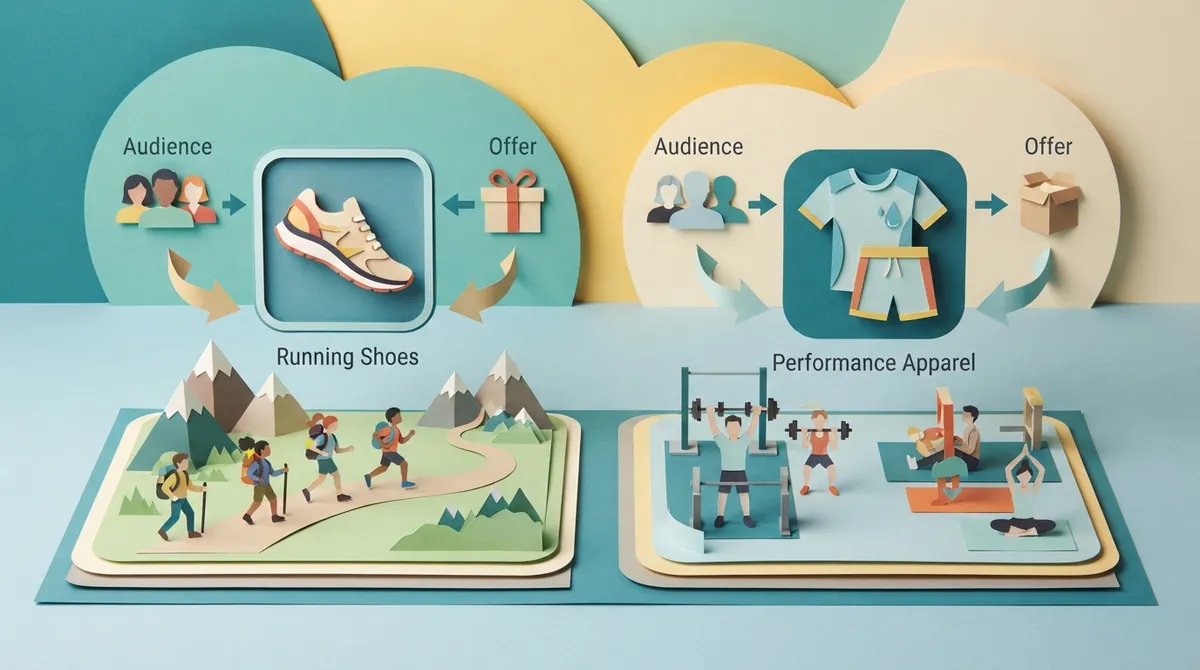
It is tempting to stuff everything into one hint. Resist that urge! One ad group should cover one theme.
Say you run an online shoe store. You sell running shoes, work boots, and sandals. Those are three very different shoppers. Give each its own ad group and its own hint.
- Running shoes: “Runners comparing cushioned shoes for marathon training.”
- Work boots: “Tradespeople looking for slip-resistant, steel-toe boots.”
- Sandals: “Shoppers wanting comfortable sandals for summer travel.”
Tight focus means better matching. It also makes your reports easier to read later.
3. Use Plain, Natural Language
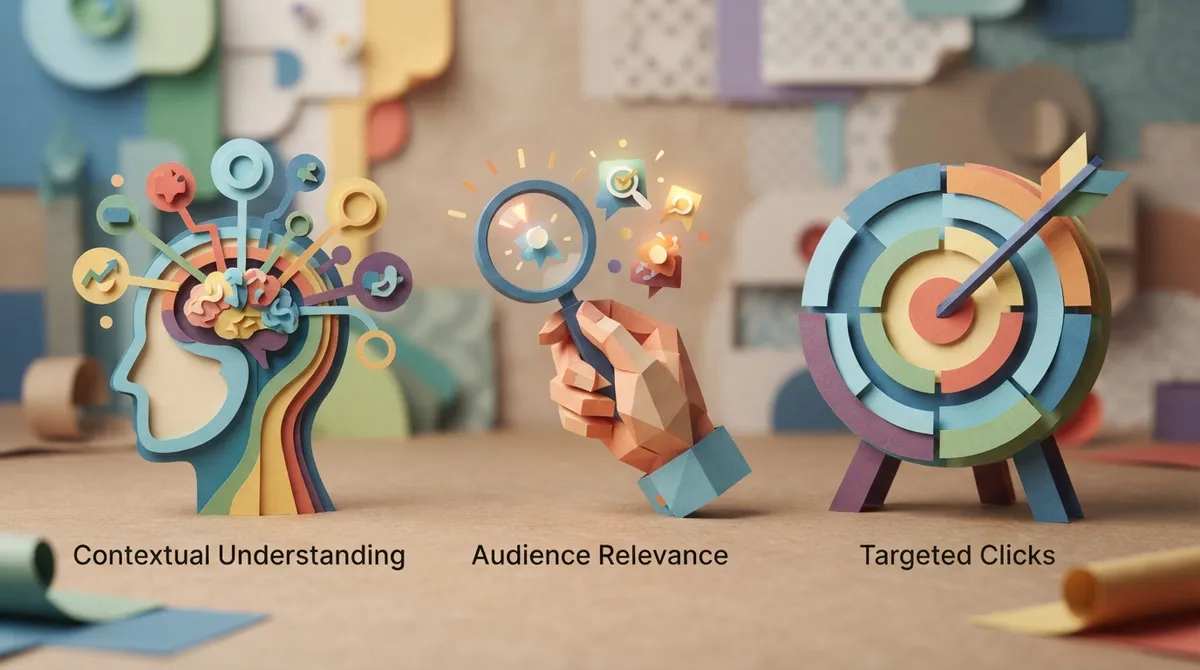
Write the way a real person talks. Skip the buzzwords. Skip the hype. The system reads for meaning, so clear and simple wins.
Here are a few quick do’s and don’ts:
- Do write full, short sentences
- Do describe the situation in everyday words
- Don’t pack in a long list of random terms
- Don’t use vague claims like “world-class” or “industry-leading”
Think of it like explaining your business to a friendly neighbor. If they would nod and say “oh, I get it,” you are on the right track.
4. Match the Hint to the Buyer’s Stage
Not everyone who talks to ChatGPT is ready to buy. Some are just learning. Some are comparing. Some are ready to act now.
Write different hints for different stages:
- Learning: “People asking how website redesigns work and what they cost.”
- Comparing: “Owners weighing custom sites against template builders.”
- Ready to act: “Business owners who want a quote for a new five-page website.”
This keeps your message honest. It also helps you spend more on people close to buying and less on people still browsing. If you want help sorting out your budget, try our marketing spend calculator.
5. Add Location and Service Details
If you serve a specific area, say so. Local service providers get a big boost from this. A hint like “Homeowners in Brandon, Florida, who need an air conditioning repair this week” is far stronger than a general one.
The same goes for key service details. Mention things like:
- The city or neighborhood you serve
- Whether you offer same-day or emergency help
- Whether you serve homes, businesses, or both
- Any big limits, such as service area or minimum job size
Local detail also pairs well with a strong local presence online. Our guide on what local SEO is and why it is important shows how these pieces fit together.
6. Make Sure Your Landing Page Matches the Hint
A great hint can still fall flat if the page behind the ad does not deliver. Say your hint targets “owners who want a quote for a new website.” Then your landing page should make getting a quote super easy.
Check these basics before you launch:
- The headline echoes the problem in your hint
- The page loads fast on a phone
- The next step, like a call or form, is easy to spot
- The offer on the page matches the offer in the ad
This is where a solid site makes all the difference. If your page feels dated or slow, a custom website design can turn clicks into real leads. We also explain why a professionally built website matters for ad success.
7. Test Two Versions and Keep the Winner
Nobody nails a hint on the first try, and that is totally okay. The trick is to test. Write two versions of the same hint. Run both. Watch which one brings better results. Then keep the winner and test again.
Here is a simple testing routine:
- Change only one thing at a time, like the problem or the location
- Let each version run long enough to gather real data
- Compare clicks, cost per click, and actual leads or sales
- Keep the stronger hint and write a new challenger
Small tweaks add up. Over a few months, you can see a real jump in results. For a deeper look at tracking what matters, read our roadmap to data-driven marketing success.
8. Follow the Platform’s Ad Rules
This one is easy to skip, but it can save you a lot of headaches. Every ad platform has rules about what you can say and which topics are allowed. ChatGPT is no different. Your hints and ad copy need to follow those policies.
Keep your hints honest and clear. Avoid big promises you cannot back up. Stay away from sensitive topics unless you are sure they are allowed. When rules change, and they do, update your hints right away.
If that sounds like a lot to track, you are not alone. Policy checks are one of the main reasons many owners hand this work to a specialist.
Common Mistakes to Avoid
Before we wrap up, here are the slip-ups we see most often:
- Hints that are too broad. “Marketing services” could mean a hundred things.
- One hint for everything. Mixed themes confuse the match.
- Ignoring the landing page. The click is only half the job.
- Set it and forget it. Hints need regular tune-ups.
Fix these four and you are already ahead of many advertisers.
Who Benefits Most From Context Hints?
Great news: this approach helps almost every kind of business. Here is a quick look:
| Business Type | Sample Hint Idea |
|---|---|
| Local service provider | “Homeowners in Tampa who need a same-day roof leak repair.” |
| E-commerce retailer | “Shoppers comparing eco-friendly water bottles for hiking.” |
| Startup | “Founders looking for a fast, affordable website to launch their product.” |
| Growing company | “Managers who want more qualified leads from paid search and content.” |
No matter your size, the goal stays the same. Describe the right customer clearly, and let the platform do the matching.
Why Hints Fit the Bigger AI Search Picture
People now ask AI tools for advice the same way they once typed into a search bar. That shift is changing how customers find businesses. Writing clear hints is one piece. Making your website easy for AI to read and cite is another.
If you want to build on this, take a look at 10 ways to optimize for AI search results in 2026. And for a fresh look at the topic, see ChatGPT advertising: how small businesses can get started. Working on both your ads and your content gives you more chances to be found.
At Brain Buzz Marketing, we have been helping businesses grow online since 1998. We are a small, hands-on, husband-and-wife team, and we handle ChatGPT ads management from setup to monthly reporting, all done virtually. You can also see what clients say on our testimonials page.
Ready to Put Your Hints to Work?
Strong context hints do not need to be fancy. They need to be clear, focused, and honest. Start with one real customer problem. Keep each ad group on one theme. Use plain words, add local details, match your landing page, and test as you go. Do that, and your ads will show up in the conversations that matter.
Want a hand? Our team can write, launch, and fine-tune your hints so you can get back to running your business. See what other owners say about us on Google by choosing to visit us on Google — Brain Buzz Marketing. When you are ready to talk, Contact Us and let’s build ads that bring in real customers. You can also follow along on Instagram or connect with Eric on LinkedIn for fresh marketing tips.
FAQs
Q: What are ChatGPT ads context hints?
A: They are short, plain-language notes you write for an ad group. They tell the platform what topic, customer need, and kind of conversation your ad fits. Think of them as a quick brief that helps your ad show up in the right moments.
Q: How are context hints different from keywords?
A: Keywords are short phrases that match search terms. Context hints describe meaning and intent in a full sentence, which suits the way people talk to ChatGPT. You focus on the customer’s problem instead of exact words.
Q: How long should a context hint be?
A: Keep it short and focused, usually one or two clear sentences. Cover who the customer is, what they need, and what they want next. If you feel like adding a long list, split it into a second ad group instead.
Q: How much does ChatGPT ads management cost with Brain Buzz Marketing?
A: Our ChatGPT ads management is $250 per month plus a $250 one-time setup fee. ChatGPT also requires a monthly ad spend of $750, which is paid directly to them. Setup and monthly work, including hint writing and reporting, are covered.
Our Service Area