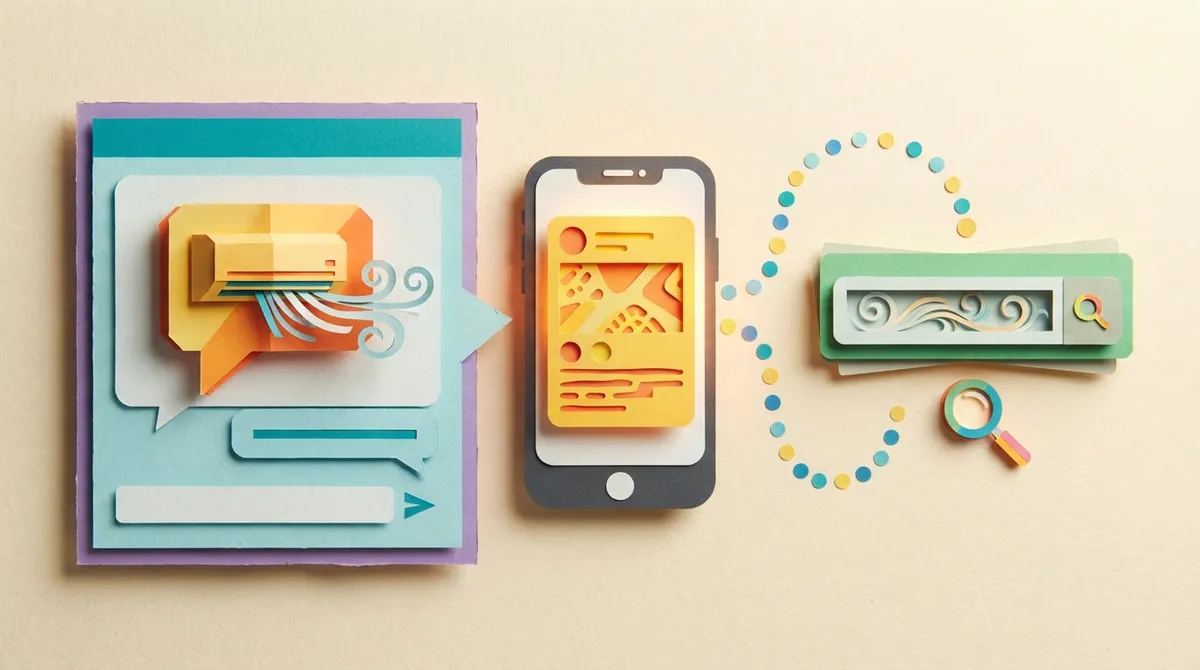
8 ChatGPT Display Ads Mistakes That Waste Your Budget
Stop wasting money on chatgpt display ads. Discover 8 common mistakes small businesses make and how to fix them in 2026.
Key Takeaways
-
Don't copy Google Ads campaigns into ChatGPT: Google ads target keywords, while ChatGPT ads match to conversation context, so write around the questions and problems customers describe.
-
Write specific, plain-language context hints (e.g., 'homeowners asking about AC repair' rather than 'home services') so your ad only appears in relevant conversations and wastes fewer clicks.
-
Set up tracking before spending a dollar, including Google Analytics and conversion goals for calls, forms, and sales, and label ChatGPT traffic separately to measure results.
-
Start with a modest budget tied to a clear lead goal, use geo-targeting for your service area, and scale only the winning ads after weekly reviews.
Let’s be honest: when a brand-new ad channel shows up, it’s easy to get excited and jump in headfirst. We’ve all done it! But with ChatGPT display ads, a few simple missteps can burn through your budget before you ever see a single useful lead.
Here’s the good news. ChatGPT ads are still young, which means the businesses that learn the rules early have a real edge. In 2026, more small business owners, e-commerce shops, and local service providers are asking how to get in front of people who are already asking AI questions about what to buy and who to hire.
At Brain Buzz Marketing, we’ve been helping businesses grow online since 1998, and we love breaking down new ad platforms in plain English. In this guide, you’ll learn what ChatGPT display ads are, how they work, and the eight mistakes we see most often. Grab a coffee and let’s dive in!

What Are ChatGPT Display Ads?
ChatGPT display ads are paid placements that appear inside or alongside conversations in ChatGPT. When someone asks a question like “What’s the best way to find a local plumber?”, a relevant ad can show up near the answer.
Think of it like a mix between a classic search ad and a helpful recommendation. The ad is matched to what the person is talking about, not just to a keyword they typed.
Here is what makes this channel different:
- Intent-rich conversations: People share detailed needs, so your ad can meet them at the right moment.
- Context matching: Ads are matched to the topic of the chat, using hints you provide.
- A fresh audience: Many users now start their research in AI tools instead of a traditional search box.
If you want a deeper look at how this fits with traditional paid search, check out our guide on how to run Google Ads that actually drive results.
Why ChatGPT Display Ads Matter in 2026
People are changing how they search. Instead of typing short phrases, they ask full questions and expect clear answers. That shift is why so many marketers are paying attention to AI platforms right now.
For a small business, this is exciting. You don’t need a giant budget to test the waters, and early testers often learn what works before the channel gets crowded.
It also connects to a bigger trend. If you’ve been curious about how AI tools choose which businesses to mention, read our post on how to get your business recommended by AI search. Paid ads and organic AI visibility work best as a team.

Mistake 1: Treating ChatGPT Ads Like Google Ads
This is the big one. Many advertisers copy their Google campaigns and paste them over. It feels logical, but the two channels behave very differently.
Google ads are built around keywords. ChatGPT ads are built around conversation context. That means your setup should focus on the questions people ask, the problems they describe, and the goals they want to reach.
Instead of stuffing in keywords, try this:
- List the real questions your customers ask before they buy.
- Group those questions by intent, such as comparing options, solving a problem, or ready to hire.
- Write ad copy that sounds like a helpful answer, not a pushy pitch.
If you’re still sorting out the basics of paid search, our breakdown of Google AdWords vs. PPC clears up a lot of the confusion.
Mistake 2: Skipping the Context Hints
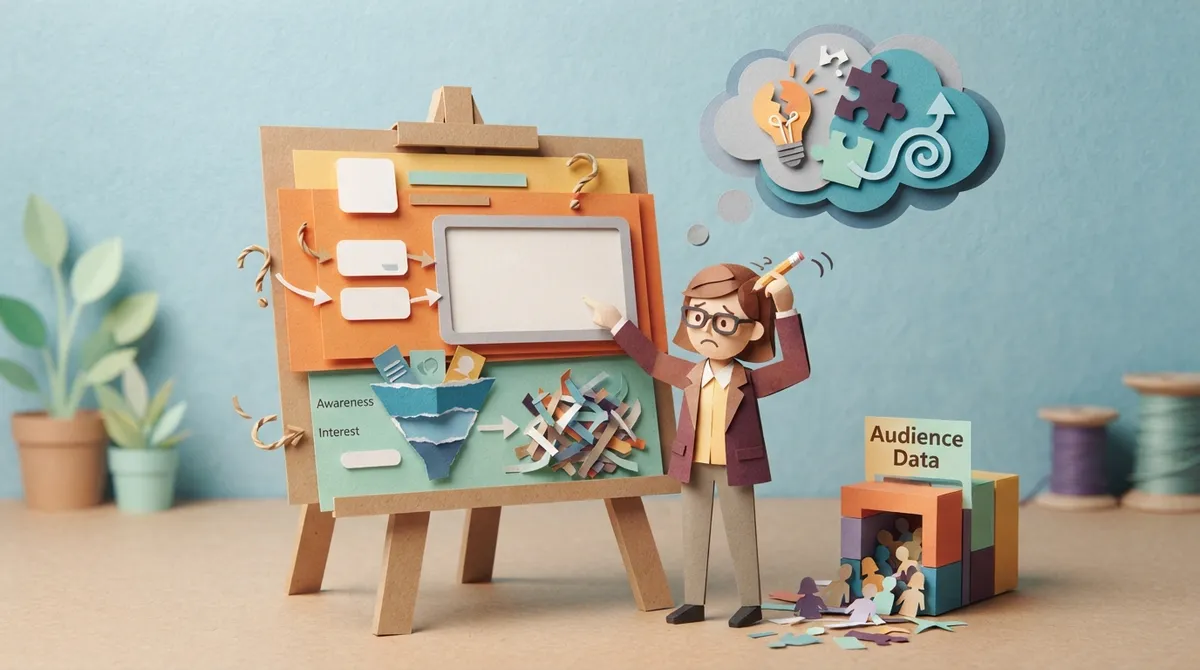
Context hints tell the platform which conversations your ad should match. If you leave them vague or skip them, your ad may show up in places that have nothing to do with your business.
Strong context hints are specific and written in plain language. A local HVAC company, for example, should describe things like “homeowners asking about air conditioner repair” rather than just “home services.”
Spend real time on this step. A little extra thought here can save you a lot of wasted clicks later.
Mistake 3: Sending Traffic to a Weak Landing Page
You can have the best ad in the world, but if the page behind it is slow, confusing, or outdated, visitors will leave. This is one of the most common budget drains we see across every ad platform.
Your landing page should do four things well:
- Match the promise made in the ad.
- Load fast on phones.
- Make the next step obvious, like a call button or short form.
- Show trust signals such as reviews and real photos.
If your site feels stuck in the past, a refresh can make all the difference. Our custom website design team builds pages designed to turn clicks into customers. You can also read about why a professionally built website matters for ad success.
Mistake 4: Ignoring Tracking and Measurement
Here’s a friendly reminder: if you can’t measure it, you can’t improve it. Many new advertisers launch ChatGPT campaigns without any way to tell which visitors came from the ad and what they did next.
Before you spend a dollar, set up tracking. At a minimum, you want:
- Google Analytics connected to your site.
- Conversion goals for form fills, calls, and purchases.
- Clear labels so you can separate ChatGPT traffic from other sources.
Good reporting turns guesses into smart decisions. Our post on analytics and reporting walks through how to build that foundation.
Mistake 5: Setting a Budget Without a Plan
Jumping in with a random number is a recipe for frustration. A smart budget starts with a goal, such as getting a certain number of leads at a cost you can afford.
Here’s a quick snapshot of how budgeting often compares across ad types:
| Ad Type | Best For | Typical Approach |
|---|---|---|
| Google Ads | People ready to buy now | Keyword-driven, steady monthly spend |
| ChatGPT Ads | People researching and comparing | Context-driven, start small and test |
| Social Ads | Building awareness | Audience-driven, creative-focused |
Start small, learn what works, and then scale the winners. If you’re unsure how much to set aside overall, try our marketing spend calculator or read how to stop wasting your marketing budget in 2026.
Mistake 6: Writing Ads That Sound Like Ads
People in a chat are looking for help, not a sales pitch. Copy that feels stiff or overly salesy tends to get ignored.
Try writing as if you’re answering a friend’s question. Keep it short, clear, and useful. Lead with the benefit, then add a simple reason to click.
A few quick tips:
- Use everyday words and short sentences.
- Speak to one clear need per ad.
- Add a simple, low-pressure call to action.
- Test two or three versions to see which one wins.
Mistake 7: Forgetting Your Local Audience
If you serve a specific area, say so! Local service providers often forget to use location and device targeting, which means they pay for clicks from people they can never serve.
A Tampa roofer doesn’t need clicks from across the country. Make sure your targeting matches the places you actually work, and mention your service area on the landing page. For help with this kind of focus, take a look at our guide on what geo-targeting is and why your business needs it.
Mistake 8: Running Ads Without Backing Up Your Organic Presence
Paid ads work best when your overall online presence is strong. If someone clicks your ad and then searches your name, they should find a solid website, helpful content, and good reviews.
That’s why we like to pair ads with a healthy foundation of SEO and quality content writing. Together, they build trust and help every ad dollar go further.
You can also learn why content plays such a big role in answer engine optimization, which helps your business get noticed inside AI tools without paying for every click.
A Simple Checklist Before You Launch
Before you turn on any ChatGPT display ads campaign, run through this quick list:
- Confirm your business fits the platform’s ad policies.
- Write clear context hints based on real customer questions.
- Build or polish a fast, mobile-friendly landing page.
- Set up tracking for calls, forms, and sales.
- Pick a starter budget you are comfortable testing.
- Plan to review results every week and adjust.
Doing this homework takes a little time, but it protects your budget and sets you up for steady, long-term wins.
How Brain Buzz Marketing Can Help
New ad channels can feel overwhelming, and that’s totally normal. We’re a small but mighty, husband-and-wife-led agency, and we work with businesses across Tampa, Brandon, Riverview, and all over the United States. Because we stay lean, we can give you real attention without the big-agency price tag.
Our team handles everything from setup to ongoing optimization, including ChatGPT ads management, Google Ads, SEO, and website design. You can see what happy clients say on our testimonials page, and you can also visit us on Google — Brain Buzz Marketing to read real reviews. Want to stay in the loop? Find us on Instagram or follow Eric on LinkedIn for marketing tips.
Final Thoughts
ChatGPT display ads offer a fresh way to reach people at the exact moment they’re asking for help. But like any new channel, success comes from a thoughtful plan, not a rushed launch. Avoid these eight mistakes, keep your messaging helpful, and measure everything you do.
You don’t have to figure it out alone. If you’d like a friendly team in your corner, get in touch with our team and let’s talk about the best way to put your ad budget to work in 2026.
FAQs
Q: What are ChatGPT display ads?
A: ChatGPT display ads are paid placements that show up inside or next to ChatGPT conversations. They’re matched to the topic of the chat, so your business can appear when someone is already asking for help with something you offer.
Q: How much do ChatGPT display ads cost?
A: Costs depend on your budget and goals, and the platform currently asks for a monthly ad spend commitment. At Brain Buzz Marketing, our ChatGPT ads management starts at $250 per month plus a $250 one-time setup fee, with ad spend paid directly to the platform.
Q: Are ChatGPT display ads better than Google Ads?
A: Not necessarily, they just work differently! Google Ads are great for people ready to buy right now, while ChatGPT ads reach people who are researching and comparing options. Many businesses get the best results by testing both.
Q: Can small businesses use ChatGPT display ads?
A: Yes, small businesses can absolutely try them. Starting with a modest budget, clear context hints, and a strong landing page lets you learn what works before you scale up.
Q: How do I know if my ChatGPT ads are working?
A: Set up tracking before you launch, including Google Analytics and conversion goals for calls, forms, and sales. Then review your results every week so you can fix what’s not working and put more budget behind what is.
Our Service Area