8 Modern Website Design Trends That Win in 2026
8 modern website design trends for 2026 that improve speed, SEO, and conversions for small businesses across Tampa and beyond.
Key Takeaways
-
Prioritize mobile-first design with easily tappable buttons and readable text, as over half of web traffic comes from phones and directly impacts conversion rates.
-
Optimize page load speed aggressively using tools like Google PageSpeed Insights, compress images, and choose fast hosting, since even one-second delays significantly hurt conversions.
-
Structure content for both traditional search engines and AI answer engines by using clear headings and organized information, helping your business get discovered when AI tools answer customer questions.
-
Include conversion-focused elements like clear call-to-action buttons, short contact forms, trust signals (reviews/testimonials), and simplified navigation on every page to turn visitors into leads.
Your website is often the first handshake with a potential customer. If it looks outdated, loads slowly, or feels confusing, visitors leave before they even learn what you offer. That first impression matters more than ever in 2026, when attention spans are short and competition is just one click away.
Modern website design isn’t about chasing flashy trends for the sake of looking cool. It’s about building a site that loads fast, guides visitors naturally, and turns clicks into customers. Whether you run a small business, manage an online store, or lead marketing for a growing brand, understanding what makes a website truly modern can help you make smarter decisions about your online presence.
At Brain Buzz Marketing, we build websites every day for business owners across Tampa, Brandon, Riverview, and beyond. We’ve seen firsthand which design choices actually drive results and which ones just look pretty but do nothing for conversions. Here are 8 modern website design trends worth knowing about in 2026.
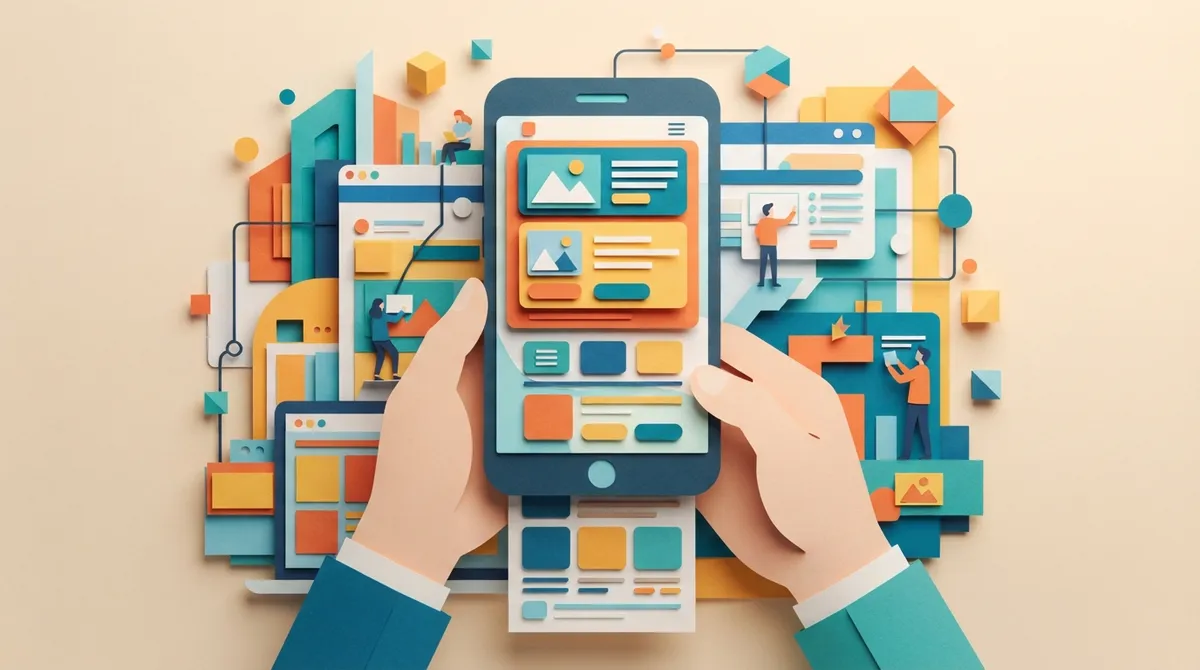
1. Mobile-First Layouts That Actually Work
More than half of web traffic now comes from phones. That means your site needs to look and work great on a small screen first, then scale up for desktops. A mobile-first layout isn’t just a shrunken version of your desktop site. It’s built with thumbs and small screens in mind from the very start.
Buttons need to be big enough to tap easily. Text needs to be readable without zooming. Menus need to collapse into simple, easy-to-use formats. When you get this right, visitors stick around longer and are more likely to fill out a form or make a purchase.
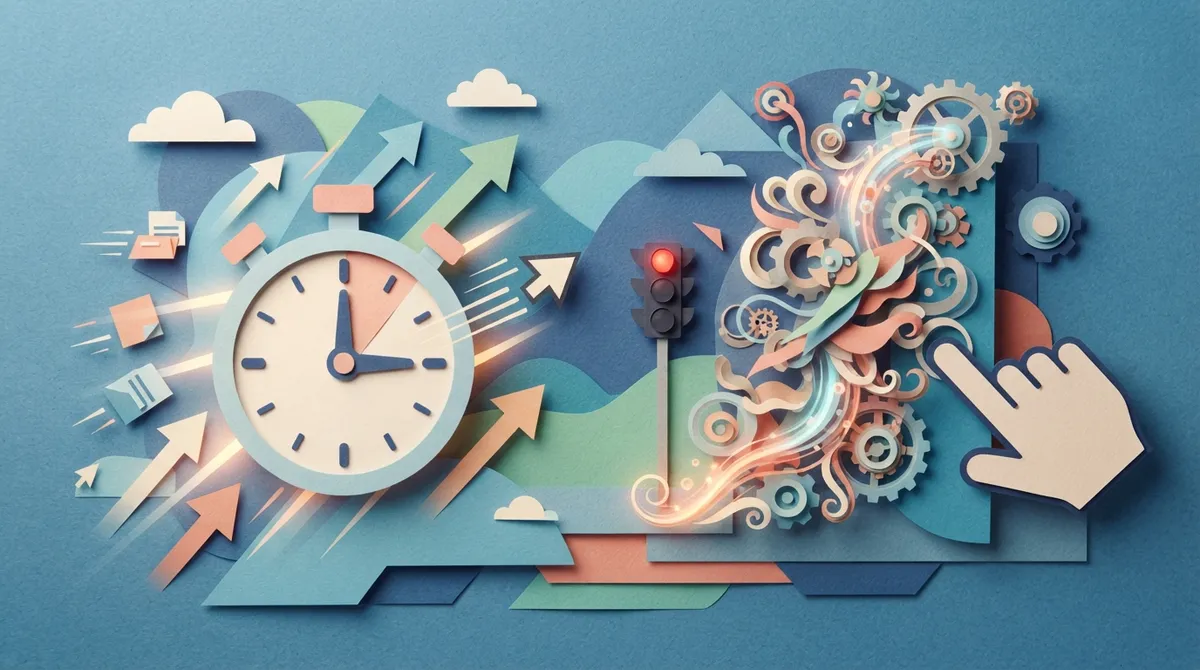
2. Fast Load Times Over Fancy Animations
Speed matters. A lot. Studies show that even a one-second delay in page load can hurt conversions significantly. Modern website design puts speed first, which sometimes means saying no to heavy animations or oversized images that slow things down.
Here are a few quick ways to check if your site is fast enough:
- Test your site speed using free online tools like Google PageSpeed Insights
- Compress images before uploading them
- Limit the number of plugins or scripts running in the background
- Choose reliable hosting built for speed, like WordPress hosting optimized for performance
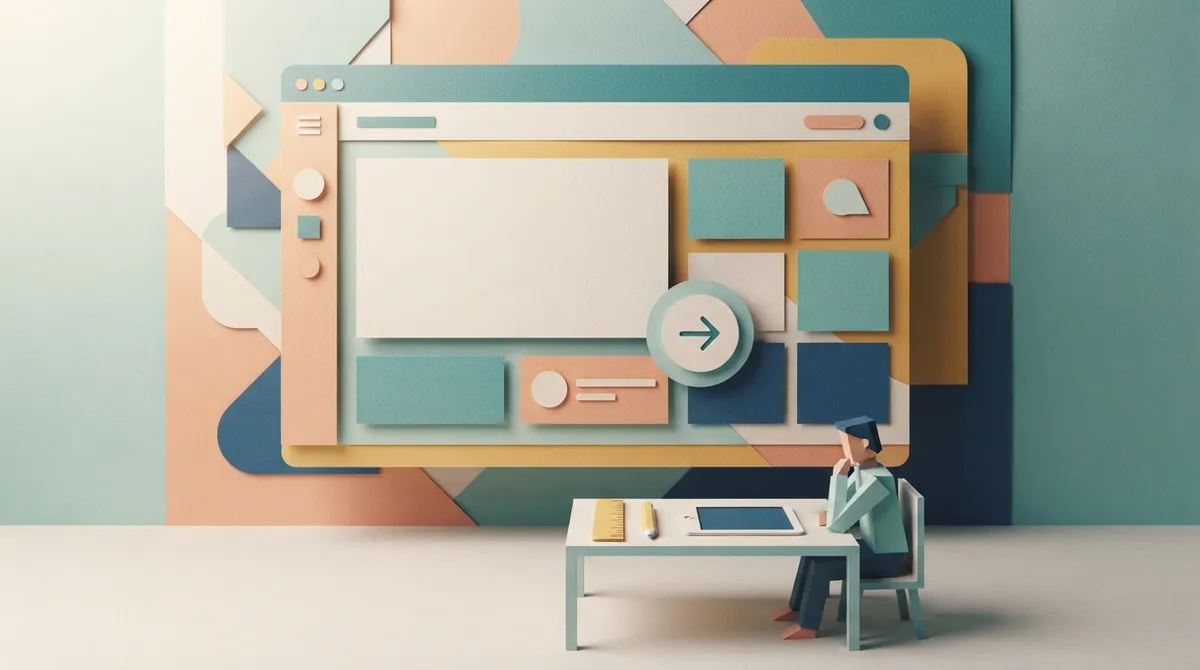
3. Clean, Minimalist Visuals With Purpose
Cluttered websites overwhelm visitors. Modern design favors clean layouts with plenty of white space, clear typography, and only the visuals that support your message. Every element on the page should have a job to do, whether that’s guiding attention or building trust.
This doesn’t mean boring. It means intentional. A well-placed image, a bold headline, and a clear call-to-action button can do more than a page packed with graphics and text.
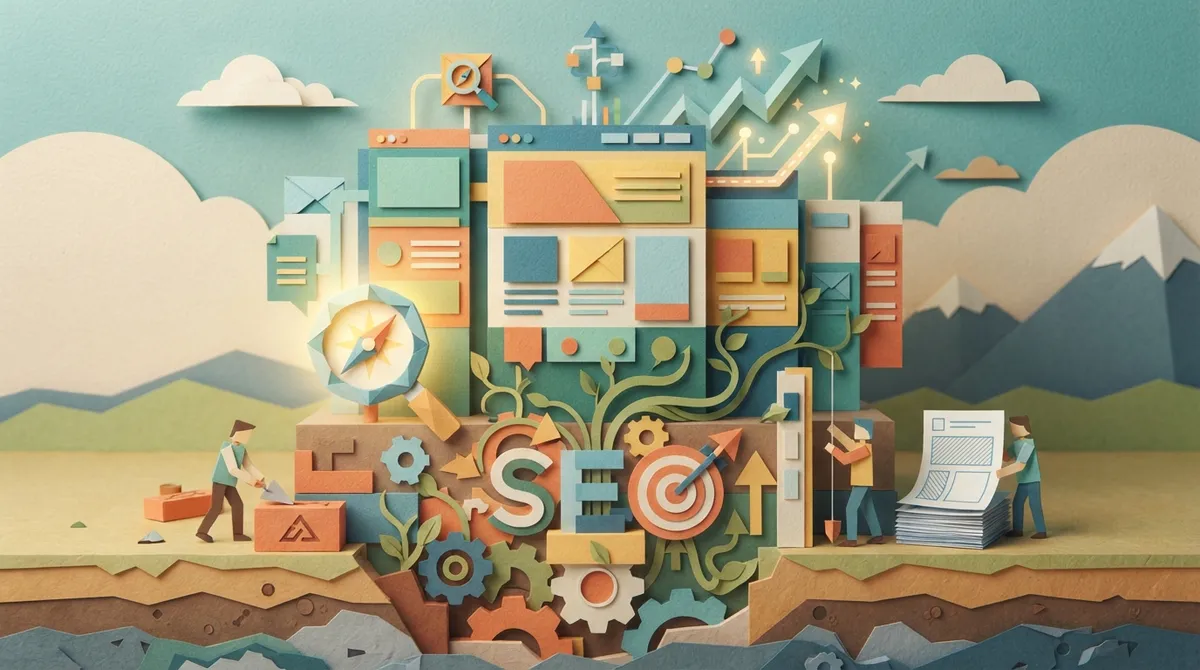
4. Built-In SEO From the Ground Up
A beautiful website that nobody finds isn’t doing its job. Modern site design bakes in search engine optimization from day one, not as an afterthought. This includes fast-loading pages, proper heading structure, mobile responsiveness, and clean code that search engines can easily read.
Pairing strong SEO practices with your site design gives you a much better shot at ranking well in local searches. If you want to learn more about how search visibility works, check out our guide on what local search engine optimization is and why your business needs it.
5. Designing for AI Search and Answer Engines
Search has changed a lot recently. People are getting answers directly from AI tools instead of clicking through ten blue links. This means your website content needs to be structured so both search engines and AI tools can easily understand and pull information from it.
This is where Answer Engine Optimization (AEO) and Generative Engine Optimization (GEO) come into play. Modern website design now considers how content gets cited in AI-generated answers, not just how it ranks on a search results page. We cover this topic in depth in our article on what answer engine optimization is and how to do it.
Why This Matters for Small Businesses
If you’re a local service provider or small business owner, being cited by AI tools when someone asks “who’s the best plumber near me” or “best marketing agency in Tampa” can send new customers your way without them ever visiting a traditional search engine.
6. Conversion-Focused Design Elements
A modern website isn’t just a digital brochure. It’s a tool built to turn visitors into leads or sales. This means every page should have a clear next step for the visitor to take.
Here’s a simple breakdown of conversion-focused elements every modern site should include:
| Element | Purpose | Best Practice |
|---|---|---|
| Call-to-Action Buttons | Guide visitors to take action | Use contrasting colors and action words |
| Contact Forms | Capture leads | Keep fields short and simple |
| Trust Signals | Build credibility | Show reviews, certifications, and testimonials |
| Clear Navigation | Help visitors find what they need | Limit menu items to essentials |
Showcasing real client feedback also helps. You can see how this works on our own testimonials page, where past clients share their experience working with our team.
7. Consistent Branding Across Every Page
Modern website design ties your visual identity together across every single page. This includes your logo, color scheme, fonts, and even your tone of voice in the copy. A disjointed website makes visitors question your credibility.
Strong branding starts with a solid logo design that reflects who you are as a business. From there, every page should feel like part of the same story, whether it’s your homepage, service pages, or blog posts.
Steps to Improve Brand Consistency
- Audit your current website for mismatched colors, fonts, or messaging
- Create a simple style guide with your brand colors and fonts
- Apply that guide across every page, including blog posts and landing pages
- Review new content before publishing to make sure it matches your brand voice
8. Content That’s Written for Humans and Search Engines
Great design means nothing without great content to fill it. Modern websites need clear, helpful writing that answers real customer questions. This is where content writing services become just as important as the visual design itself.
Good content should be easy to read, keyword-focused without sounding robotic, and structured with clear headings so both readers and search engines can follow along. According to Google’s E-E-A-T guidelines, showing real experience and expertise in your content builds trust with both users and search engines.
If you’re not sure where your current website stands, an audit can reveal a lot. Learn more in our post about what SEO audit services are and whether you need one.
Common Website Design Mistakes to Avoid
Even with the best intentions, many businesses make the same mistakes when updating their website. Here are a few to watch out for:
- Using stock photos that feel generic and impersonal
- Ignoring mobile users when designing layouts
- Overloading pages with pop-ups and distracting animations
- Skipping SEO basics like meta descriptions and alt text
- Forgetting to include clear contact information and calls-to-action
Avoiding these pitfalls can save you time, money, and frustration down the road. If your current site is showing its age, it might be time for a refresh. Our article on 7 signs it’s time for a website redesign in 2026 can help you decide.
Why Working With a Digital Marketing Agency Makes a Difference
Building a modern website involves more than picking a nice template. It requires understanding design, technology, SEO, and how customers actually behave online. That’s a lot for one business owner to juggle alone.
Since 1998, Eric and Nicole have been helping business owners across Tampa, Brandon, Riverview, Valrico, and beyond build websites that actually perform. Our small, dedicated team means you get personal attention without the inflated costs of a big agency. You can read more about our approach on our our story page or check out our certifications to see the credentials backing our work.
We’re proud of the relationships we’ve built with local business owners over the years. Feel free to visit us on Google to see what our Brain Buzz Marketing customers have to say about their experience working with our team.
Frequently Asked Questions About Modern Website Design
Ready to give your website the modern update it deserves? Our team works 100% virtually, so no matter where you’re located in Florida or across the country, we can help. From digital marketing services to custom builds, we’re here to make your online presence work harder for you. Get in touch with our team today to talk about your website goals.
You can also follow our founders for more marketing insights: Follow Eric on LinkedIn and Follow Nicole on LinkedIn. Stay connected with us on Instagram and Facebook for more tips on growing your business online.
FAQs
Q: What makes a website design modern in 2026?
A: Modern website design in 2026 focuses on mobile-first layouts, fast load times, clean visuals, and content built for both search engines and AI tools. It’s less about trends and more about creating a site that works well for real visitors and turns them into customers.
Q: How often should I update my website design?
A: Most businesses benefit from a design refresh every 2 to 3 years, though this can vary. If your site feels slow, looks outdated, or isn’t converting visitors anymore, that’s a good sign it’s time for an update, no matter how long it’s been.
Q: Does website design affect my SEO rankings?
A: Absolutely! Site speed, mobile-friendliness, and clean code all play a role in how search engines rank your pages. A well-designed website gives your SEO efforts a much stronger foundation to build on.
Q: Is it worth hiring a professional for website design instead of using a template?
A: It really depends on your goals. Templates can work for very simple needs, but a professionally designed site is tailored to your brand, optimized for conversions, and built with SEO in mind from the start. For most growing businesses, that investment pays off quickly.
Q: How does modern website design connect to AI search results?
A: Search is evolving beyond traditional results pages, with more people getting answers directly from AI tools. Modern design includes structuring your content so it can be easily understood and cited by these AI systems, helping your business get discovered in new ways.
Our Service Area