9 ChatGPT Ads Optimization Tactics That Work in 2026
Discover 9 ChatGPT ads optimization tactics to improve targeting, copy, and tracking so your ads bring in more leads in 2026.
Key Takeaways
-
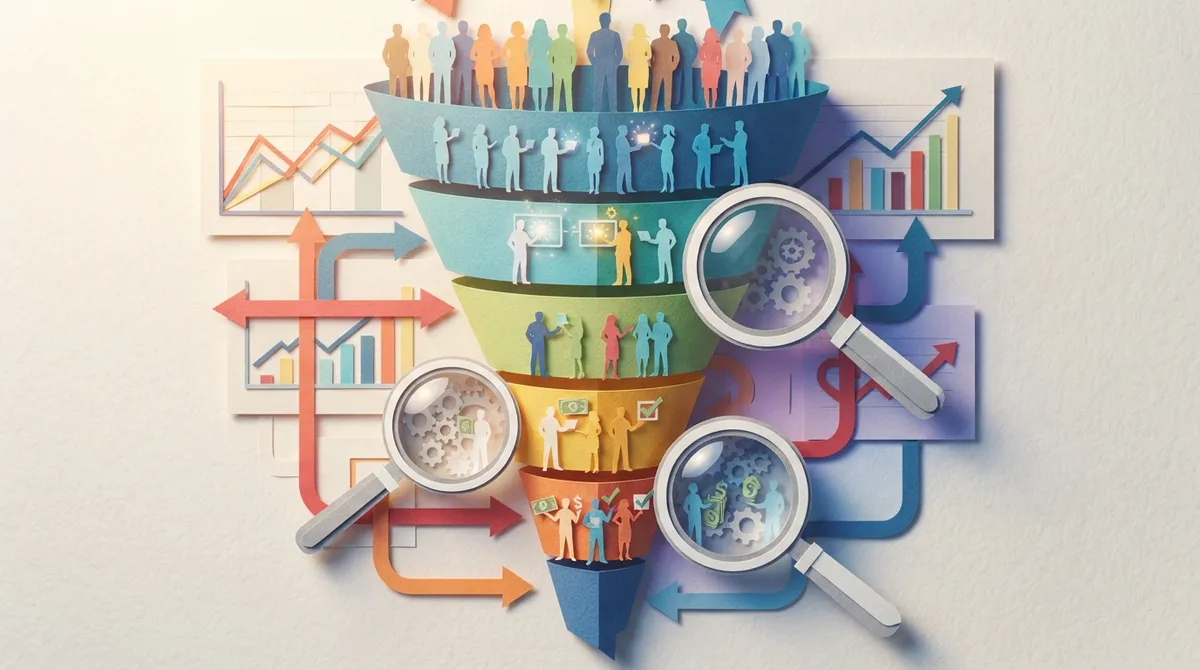
Group ads by customer intent and buying stage rather than product names; someone researching solutions needs different messaging than someone ready to hire, and this targeting approach is ChatGPT ads' biggest advantage.
-
Write context hints that describe the customer's specific problem and desired outcome in plain language, then refine them continuously based on performance data—these are your primary lever for reaching the right conversations.
-
Create landing pages that mirror your ad promise exactly with fast load times, one clear call-to-action, and trust signals like reviews; weak landing pages waste your entire ad budget regardless of ad quality.
-
Set up conversion tracking and monitor click-through rate, conversion rate, cost per lead, and bounce rate weekly; you cannot optimize what you do not measure, and small data-driven adjustments compound into major improvements.
-
Test one element at a time using A/B testing (headlines, calls-to-action, descriptions) and let each test run long enough to gather real data before pausing underperformers; optimization is an ongoing habit, not a one-time setup.
-
Start with a single clear goal before spending anything, review OpenAI's ad policies early to avoid rejections, and shift budget toward high-converting ad groups while pausing poor performers—this disciplined approach prevents budget waste.
Imagine a customer typing a real question into ChatGPT, like “who can fix my leaky roof near Tampa?” Now imagine your business showing up right there, at the exact moment they are ready to act. That is the promise of ads inside ChatGPT, and it is a brand-new playground for small businesses in 2026.
But here is the friendly truth: getting an ad live is the easy part. Making it perform is where the magic happens. Good ChatGPT ads optimization turns a trickle of clicks into steady leads, and it keeps your budget from slipping away on the wrong audience.
Whether you run a local service company, an online store, a startup, or a growing mid-sized business, this guide is for you. We will walk through nine practical tactics you can use right away. No confusing jargon, no fluff. Just clear steps that help you get more from every dollar. Let’s dive in and have some fun with it!

Why ChatGPT Ads Optimization Matters in 2026
ChatGPT ads work differently from the search ads you may already know. People do not type short keywords. They have full conversations and ask detailed questions. That means your ads must match the intent behind a question, not just a few words.
Without smart optimization, your ads may appear in the wrong conversations. You could pay for clicks that never turn into customers. With the right setup, though, you reach people who are already close to buying.
Here is a quick look at how this channel compares to traditional search advertising:
| Feature | Traditional Search Ads | ChatGPT Ads |
|---|---|---|
| How people ask | Short keywords | Full conversational questions |
| Main targeting signal | Keywords | Conversation context and intent |
| Competition level | High and crowded | Newer and less crowded |
| Best for | Quick, direct searches | Research and decision-stage questions |
Because this channel is still young, early movers have a real edge. Small, smart improvements now can lead to big gains later.

1. Start With a Clear Goal Before You Spend a Dollar
Every great campaign starts with a simple question: what do you want people to do? Call you? Fill out a form? Buy a product? Pick one main goal and build around it.
When your goal is fuzzy, your ads feel fuzzy too. A clear goal helps you write better copy, choose better landing pages, and measure the right numbers.
Try setting goals like these:
- Book a free consultation
- Request a quote
- Add a product to the cart
- Call the business directly
Write your goal down and keep it visible. Every choice you make from here should help move people toward it.
2. Check Your Eligibility and Ad Policies Early
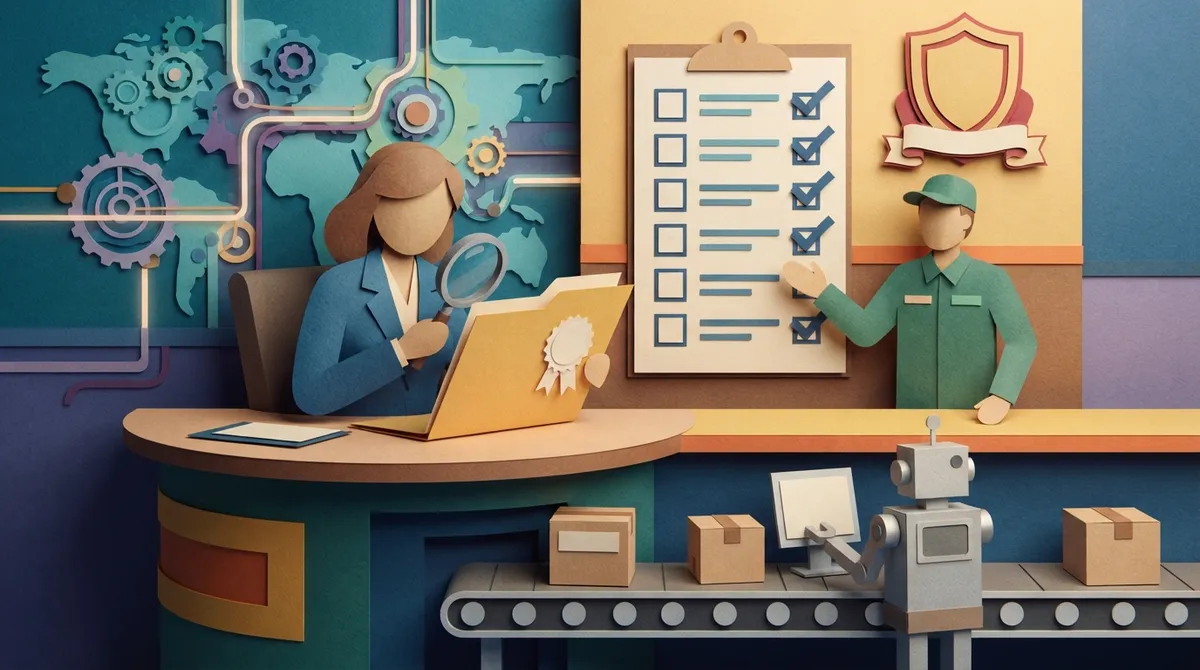
Here is a step many people skip, and it can cause headaches later. ChatGPT ads follow specific policies from OpenAI. Some industries and claims face limits, so you want to know the rules before you build anything.
Review the policies first. Then make sure your business, offer, and wording fit inside them. This saves time and prevents ads from getting rejected or paused.
A quick checklist helps:
- Read the current ad policy guidelines carefully.
- Confirm your industry is allowed to advertise.
- Avoid exaggerated or unproven claims in your copy.
- Make sure your landing page matches what your ad promises.
Staying compliant from day one keeps your campaigns running smoothly and protects your account.
3. Build Ad Groups Around Customer Intent
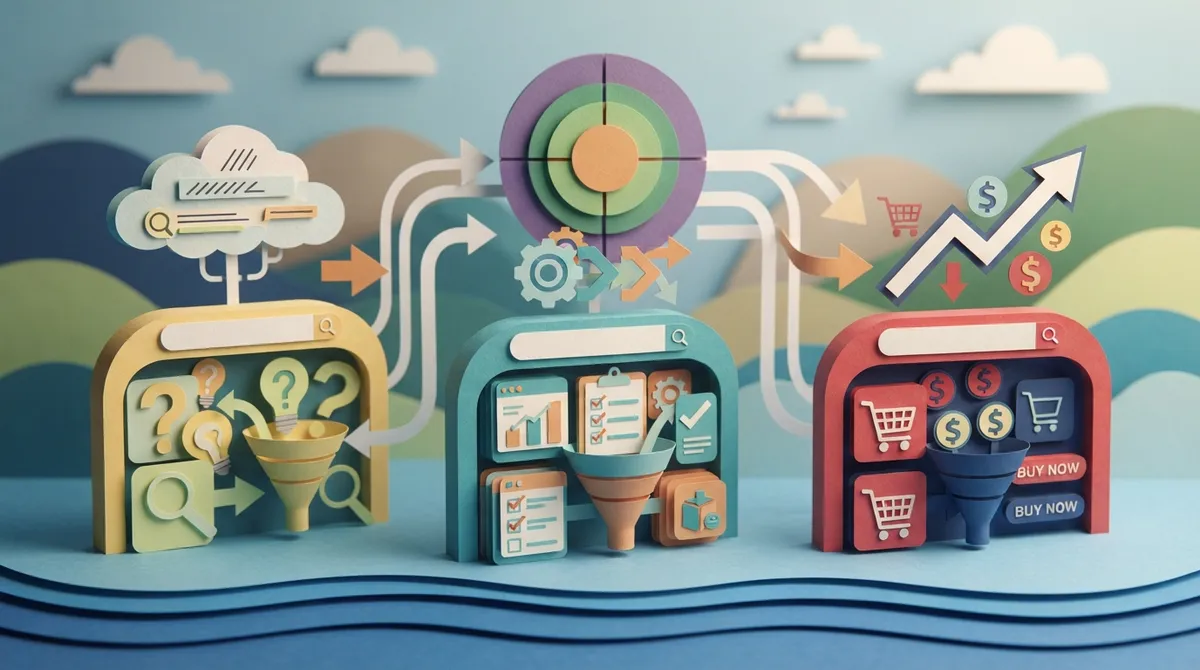
This is where ChatGPT ads optimization really shines. Instead of grouping ads by product or service name, group them by what the customer is trying to do or solve.
Think about the stages of a buying journey. Someone researching options asks very different questions than someone ready to hire. Your ads should speak to each stage.
Common Intent Groups to Try
- Problem-aware: “Why is my website not getting leads?”
- Solution-seeking: “What is the best way to get more local customers?”
- Ready to buy: “Who can build a custom website for my business?”
Create a separate ad group for each one. This lets you write copy that fits the mindset of the person reading it, which boosts relevance and results.
4. Write Strong Context Hints
Context hints tell the platform what kind of conversations your ad belongs in. Think of them as a friendly nudge that says, “Show my ad when people talk about this.” Getting them right is one of the biggest levers you have.
Be specific, but not too narrow. If your hint is too broad, your ad shows up in the wrong places. If it is too tight, you miss good chances.
Here are simple tips for writing better hints:
- Describe the customer’s problem in plain words.
- Include the type of person asking, such as a small business owner.
- Mention the outcome they want, like more leads or lower costs.
- Refine your hints often based on what the data shows.
Treat context hints as a living document. The best advertisers tweak them again and again as they learn.
5. Craft Headlines and Descriptions That Feel Helpful
In a conversation-style setting, pushy sales copy feels out of place. People want help, not hype. Write ads that sound like a useful answer, not a loud billboard.
A good headline names the benefit clearly. A good description adds proof or a next step. Keep both short and easy to read.
Try this simple formula:
- Lead with the problem or the benefit.
- Add one proof point, like experience or results.
- End with a clear, friendly next step.
For example, instead of “Best Marketing Agency!” try “Get More Local Customers With a Plan Built for Your Business.” It feels warmer, clearer, and far more useful.
If you want help shaping messages that connect, our content writing services are built to turn clear ideas into copy that converts.
6. Send Clicks to a Landing Page That Delivers
Even the best ad cannot save a weak landing page. If someone clicks and lands on a slow, confusing, or off-topic page, they leave. And you just paid for that visit.
Your landing page should match your ad promise word for word. If the ad talks about a free quote, the page should make getting a free quote easy.
Here is what a strong landing page includes:
- A headline that mirrors the ad
- Fast load times, especially on mobile
- One clear call to action
- Trust signals like reviews and testimonials
- A simple, short form or click-to-call button
A professionally built site makes a huge difference here. If your current pages are holding you back, our website design team can build pages focused on turning visitors into customers.
7. Set Up Tracking So You Know What Works
You cannot improve what you do not measure. Tracking is the backbone of good optimization, and it is easier to set up than most people think.
At a minimum, connect Google Analytics so you can see how visitors from ChatGPT behave on your site. Do they stay? Do they convert? Which pages do they love?
| Metric | What It Tells You | Why It Matters |
|---|---|---|
| Click-through rate | How many people click your ad | Shows if your message is appealing |
| Conversion rate | How many visitors take action | Shows if your page and offer work |
| Cost per lead | What you pay for each lead | Shows if your budget is efficient |
| Bounce rate | How many leave right away | Shows if your page matches the ad |
Check these numbers on a regular schedule. Small trends add up to smart decisions.
8. Test, Learn, and Repeat With A/B Testing
Optimization is not a one-time task. It is a habit. The easiest way to build that habit is simple A/B testing, where you compare two versions of an ad to see which one wins.
Change only one thing at a time. That way you know exactly what caused the difference.
Easy Things to Test
- Headline wording
- The call to action, such as “Get a Quote” versus “Book a Call”
- Description length
- The offer you highlight
- The landing page layout
Let each test run long enough to gather real data. Then keep the winner and test something new. Over time, these little wins stack up into major improvements.
9. Watch Your Budget and Adjust Bids Wisely
Smart money management keeps your campaigns healthy. Because ChatGPT ads require a monthly ad spend, you want every dollar working hard.
Start small and watch closely. Look at which ad groups bring real leads and which just burn budget. Then shift more money toward the winners.
A simple weekly routine can help:
- Review spend and results for each ad group.
- Pause anything that costs too much without results.
- Increase budget on the groups that convert well.
- Update your context hints and copy based on what you learned.
Patience matters here. Give campaigns time to gather data before making big changes, but do not let poor performers run forever either.
Common Mistakes to Avoid
Even smart business owners trip up with a new channel. Watch out for these common slip-ups:
- Treating ChatGPT ads exactly like keyword-based search ads
- Skipping the landing page and sending traffic to a generic homepage
- Setting up ads without any tracking in place
- Making many changes at once, so you cannot tell what worked
- Ignoring policy rules until an ad gets rejected
Avoiding these mistakes alone can put you ahead of many advertisers. If you want to learn how paid ads can drain budgets, our guide on pay-per-click advertising mistakes is a great companion read.
How ChatGPT Ads Fit Into Your Bigger Marketing Plan
ChatGPT ads are exciting, but they work best as part of a bigger picture. Think of them as one tool in your toolbox, right next to search ads, SEO, and a strong website.
For example, Google Ads still capture people who search with direct keywords. Meanwhile, strong SEO builds long-term visibility that keeps working long after an ad stops. Together, they create a steady flow of leads from many directions.
It also helps to understand how AI is changing search overall. Our article on optimizing for AI search results shows how to earn visibility both through paid and organic paths. And if you are curious about the bigger shift, take a peek at answer engine optimization to see where search is heading.
Want to learn more about the team behind these strategies? You can read about Brain Buzz Marketing and see how a small, dedicated agency with roots going back to 1998 helps businesses grow. You can also see what Brain Buzz Marketing customers say on Google to hear it straight from real clients.
We love sharing what we learn, so feel free to follow along on Instagram for fresh marketing tips, or connect with Eric on LinkedIn for industry insights.
Final Thoughts: Start Small, Learn Fast
ChatGPT ads are a fresh and exciting way to meet customers in the middle of a real conversation. The businesses that win will be the ones that treat ChatGPT ads optimization as an ongoing habit, not a one-time setup.
Start with a clear goal. Build ad groups around intent. Write helpful copy, send people to a strong landing page, and track everything. Then test, learn, and improve a little each week. That steady approach beats guesswork every time.
If you would rather have a friendly expert handle the heavy lifting, we would love to help. Our team manages ChatGPT ads from setup to monthly reporting so you can focus on running your business. Contact us today to talk about a plan that fits your goals and your budget. We are a 100% virtual agency, so getting started is easy from wherever you are.
FAQs
Q: What is ChatGPT ads optimization?
A: It is the ongoing process of improving your ads inside ChatGPT so they reach the right people and bring in more leads for less money. That includes writing better context hints, testing your copy, and tracking results. Think of it as a regular tune-up for your campaigns.
Q: How much does it cost to advertise on ChatGPT?
A: ChatGPT currently requires a monthly ad spend of about $750, paid directly to them. If you work with Brain Buzz Marketing, management is $250 per month plus a one-time $250 setup fee, so you get expert help without a huge price tag.
Q: How are ChatGPT ads different from Google Ads?
A: Google Ads mostly target short keywords people type into a search bar. ChatGPT ads focus on the context and intent of a full conversation, so your message needs to feel helpful and match what the person is asking. Many businesses use both to cover more ground.
Q: How long does it take to see results from optimization?
A: Most advertisers see useful patterns within a few weeks once enough data comes in. Real improvements usually build over time as you test headlines, refine context hints, and improve your landing pages. Patience and steady testing pay off.
Q: Do I need a professional website to run ChatGPT ads?
A: You do need a landing page that loads fast, matches your ad, and makes the next step easy. A weak page wastes your ad spend, while a strong one turns clicks into customers. A well-built site is one of the best investments you can make for any paid campaign.
Our Service Area