ChatGPT Paid Ads vs. Google Ads: Which Wins in 2026?
Compare ChatGPT paid ads vs. Google Ads in 2026. See costs, pros, cons, and which channel fits your business goals best.

Key Takeaways
-
ChatGPT paid ads require a $750 monthly minimum and target users in discovery mode asking questions to AI, unlike Google Ads which targets active searchers—test both channels since they serve different moments in the customer journey.
-
ChatGPT ads work best for e-commerce retailers and startups with research-heavy buyers, while Google Ads delivers faster results for local services; pair whichever you choose with a conversion-focused website to turn clicks into customers.
-
Success requires intent-based targeting using context hints about customer problems rather than keywords, plus monthly tracking and optimization—early-mover advantage exists now due to lighter competition, but the platform is still evolving.
-
Combine paid ads with strong content and SEO for maximum reach, as AI tools pull from well-structured helpful content when answering questions, giving you both paid and organic visibility.
If you run a business, you have probably heard the buzz. People now ask ChatGPT for advice, product ideas, and local services every single day. And in 2026, businesses can pay to show up in those conversations. That is the heart of chatgpt paid ads, and it has a lot of owners asking the same friendly question: should I try this, or stick with Google Ads?
Here is the good news. You do not have to pick a side forever. Both channels can work, and each one shines in a different way. Google Ads catches people who are actively searching. ChatGPT paid ads reach people who are chatting, comparing, and thinking out loud with an AI helper.
In this guide, we will break down how each option works, what they cost, and who they fit best. Whether you run a small shop, an online store, or a growing service company, you will walk away knowing your next step. Let’s dive in!

What Are ChatGPT Paid Ads?
ChatGPT paid ads are sponsored placements that appear inside ChatGPT conversations. When a user asks a question related to your business, your ad can show up alongside the answer. Think of it like a helpful tip from a friend, with a clear “sponsored” label.
Instead of matching exact keywords, these ads often match the intent behind a chat. Someone asking, “What is the best way to get more local customers?” is a perfect fit for a marketing company. That is a very different mindset from typing a short phrase into a search bar.
How the Ads Actually Work
The setup is more guided than many people expect. Here is the basic flow:
- Check eligibility. Your business needs to meet the platform’s ad policies.
- Plan ad groups around intent. You group ads by the problems and questions your customers have.
- Write context hints. These tell the system which kinds of conversations your ad fits.
- Write the headline and description. Keep them clear, honest, and helpful.
- Target by location and device. This keeps your budget focused on the right people.
- Track and improve. Use analytics to see which chats send real visitors.
Why Intent Matters So Much
People talk to ChatGPT differently than they search Google. They share details, ask follow-up questions, and explain their goals. That means your ad can meet a customer at a very thoughtful moment in their decision.

How Google Ads Work (A Quick Refresher)
Google Ads has been around for years, and it is still a powerhouse. You bid on keywords, write your ad, and show up when people search for those terms. You only pay when someone clicks.
The big strength here is buying intent. Someone searching “emergency plumber near me” is ready to call. If you want a deeper walkthrough, check out our guide on how to run Google Ads that actually drive results.
Google Ads also gives you mature tools. You get location targeting, call tracking, remarketing, and years of proven best practices. It is a reliable, well-understood channel.
ChatGPT Paid Ads vs. Google Ads: Side-by-Side
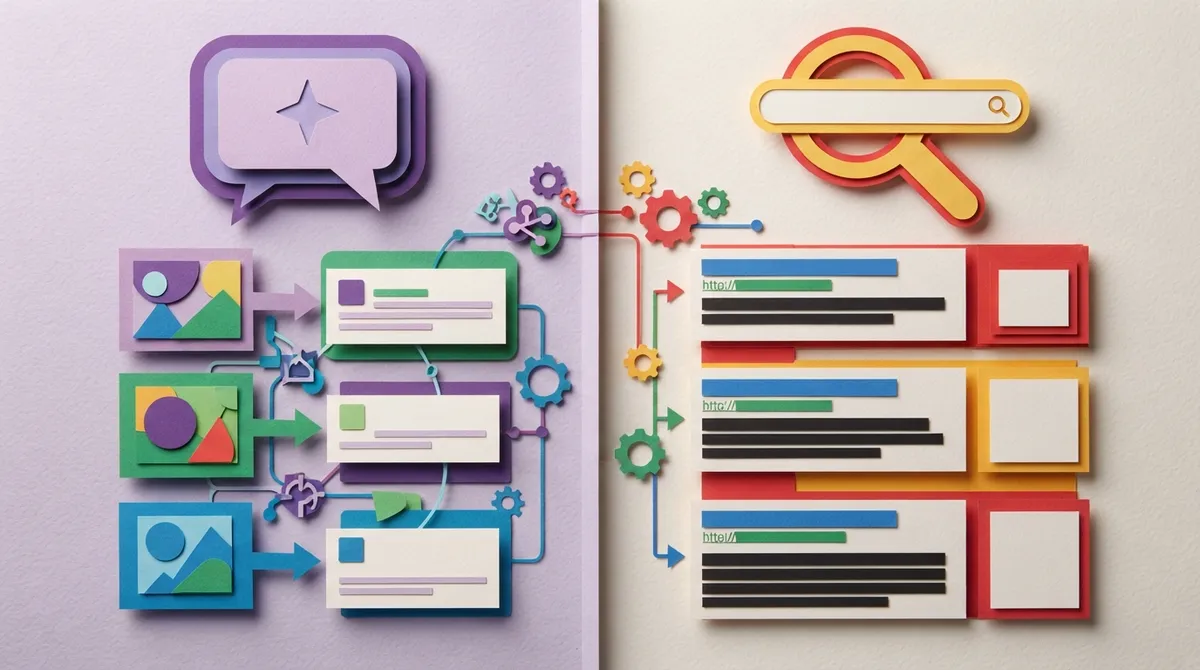
Let’s put the two channels next to each other so you can see the real differences.
| Feature | ChatGPT Paid Ads | Google Ads |
|---|---|---|
| Where ads appear | Inside AI chat conversations | Search results, maps, and display |
| Targeting style | Conversation intent and context | Keywords, audiences, and location |
| User mindset | Exploring, comparing, asking questions | Searching, often ready to act |
| Maturity | New and still evolving | Established with many tools |
| Best for | Early adopters and research-heavy buyers | Fast leads and local calls |
| Tracking | Analytics-based visitor tracking | Call tracking, conversions, and more |
As you can see, neither one is a clear loser. They simply serve different moments in the customer journey.

The Real Cost of ChatGPT Paid Ads
Let’s talk money, because that is where many owners get nervous. With ChatGPT paid ads, you pay two kinds of costs: the ad spend itself and the management.
- Ad spend: ChatGPT currently asks for a monthly minimum of around $750, paid directly to them.
- Management: If you hire help, expect a monthly fee plus a one-time setup fee.
At Brain Buzz Marketing, our ChatGPT ads management is $250 per month plus a $250 one-time setup fee. That covers planning, copywriting, tracking, and monthly reporting. It is a small price for a team that knows the platform.
Google Ads management typically runs higher because the channel is bigger and busier. Our Google Ads management is $750 per month plus a $250 setup fee. If you are curious about budgets, our post on how much your company should spend on Google Ads each month can help you plan.
Is the Price Worth It?
It depends on your goals. If your customers already use AI tools to research purchases, the cost can pay off quickly. If they mostly search and call, Google may deliver faster wins. Many businesses test both and let the data decide.
Who Should Try ChatGPT Paid Ads?
Not every business needs to jump in tomorrow. Here is a friendly breakdown by audience type.
Small Business Owners and Local Service Providers
If you run a local service company, Google Ads and local SEO should come first. They deliver steady calls and bookings. Once those are humming, ChatGPT ads can be a smart add-on to reach curious researchers. Our guide to local SEO and why it matters is a great place to start.
E-commerce Retailers
Online shoppers love asking AI for product recommendations. If you sell products people compare often, ChatGPT paid ads could put you right in front of them. Pair that with a strong store, and you have a winning combo. See our list of must-have features for ecommerce websites in 2026.
Startups and Growing Companies
Newer brands often have more room to experiment. Because the ChatGPT ad space is still young, competition is lighter. That can mean cheaper clicks and a chance to stand out early.
Website Redesign Seekers
Here is a friendly warning. Ads send people to your site, so your site has to deliver. If your pages are slow or confusing, you will waste money on any platform. A conversion-focused custom website design turns those clicks into customers.
Pros and Cons of ChatGPT Paid Ads
Every channel has strengths and trade-offs. Here is an honest look.
The Upsides
- Early-mover advantage: Less competition than crowded channels.
- High-quality conversations: Users share detailed needs, which can lead to better matches.
- Fresh audience: You reach people who may not use traditional search as often.
- Intent-based targeting: Your message fits the actual question being asked.
The Downsides
- Still evolving: Features and rules change often.
- Limited tracking tools: Reporting is less detailed than on older platforms.
- Minimum spend: The monthly ad budget requirement can feel steep for tiny budgets.
- Learning curve: Writing good context hints takes practice.
The takeaway? ChatGPT paid ads are exciting, but they work best when they are part of a bigger plan.
How to Get the Most From Any Paid Ad Channel
No matter which platform you choose, a few simple habits make a big difference. Follow these steps, and your budget will go much further.
- Start with a clear goal. Decide if you want calls, form fills, or sales.
- Build a strong landing page. Match your ad message to the page people see.
- Test two versions. A/B testing helps you learn what your audience likes.
- Track everything. Use analytics so you know which ads earn money.
- Review monthly. Small tweaks add up to big gains over time.
Also, avoid common budget drains. Our article on pay-per-click advertising mistakes to avoid is a quick, useful read before you spend a dollar.
Do Organic and Paid Work Together?
Absolutely! Paid ads give you speed, while SEO builds long-term trust. In fact, AI tools often pull from well-structured, helpful content when they answer questions. That means strong content can help you show up for free, too.
If you want to explore this side of the coin, read about answer engine optimization and how to get recommended by AI search. Pairing paid ads with smart SEO gives you coverage in both paid and organic spots.
For more ideas, you can also follow our founder on LinkedIn for regular marketing tips, or see our latest posts on Instagram.
Our Verdict: Which One Wins?
Here is the honest, friendly answer. Google Ads wins for fast, high-intent leads today. It is proven, trackable, and perfect for businesses that need calls now.
ChatGPT paid ads win for early-mover reach. They put you in front of a growing group of AI-first shoppers before your competition catches on.
The smartest move for most businesses in 2026? Run Google Ads as your steady engine, then test ChatGPT ads with a modest budget. Watch the numbers, keep what works, and drop what does not. That balanced approach protects your budget while keeping you ahead of the curve.
Ready to Try ChatGPT Paid Ads?
Brain Buzz Marketing has been helping businesses grow since 1998. We are a small, hands-on team led by Eric and Nicole, and we work 100% virtually with clients across Florida and the United States. You can learn more about Brain Buzz Marketing and see what clients say on Google by visiting Visit us on Google — Brain Buzz Marketing.
Not sure whether ChatGPT ads, Google Ads, or both fit your goals? We will help you figure it out. Get in touch with our team today, and let’s build a plan that turns clicks into customers.
FAQs
Q: What are ChatGPT paid ads?
A: ChatGPT paid ads are sponsored placements that show up inside ChatGPT conversations when a topic matches your business. They are labeled as ads and target the intent behind a chat, not just a keyword. Think of them as a friendly, relevant suggestion at just the right moment.
Q: How much do ChatGPT paid ads cost?
A: ChatGPT currently asks for a monthly ad spend of about $750, paid directly to them. If you hire an agency, management is extra. At Brain Buzz Marketing, it is $250 per month plus a $250 one-time setup fee.
Q: Are ChatGPT paid ads better than Google Ads?
A: Neither is better for everyone! Google Ads is proven and great for fast, high-intent leads. ChatGPT ads offer early-mover reach to people who research with AI, so many businesses test both.
Q: Do I need a good website before running ChatGPT paid ads?
A: Yes, and it makes a huge difference. Ads only bring people to your door, so your site has to welcome them. A fast, clear, conversion-focused website helps turn those clicks into real customers.
Q: Can small businesses use ChatGPT paid ads?
A: They sure can! Small businesses often benefit from lighter competition on a newer platform. Just make sure the monthly minimum fits your budget and that your tracking is set up so you can see what works.
Our Service Area