Custom Website Design: Why It Fuels Digital Growth in 2026
See how custom website design boosts SEO, conversions, and mobile experience to fuel real growth for businesses in 2026.

Key Takeaways
-
Custom websites are built around customer journey mapping and keyword research from day one, unlike templates that use generic layouts, resulting in better SEO rankings and conversion rates.
-
Over 75% of e-commerce traffic comes from mobile devices, making mobile-first design essential; custom sites prioritize mobile functionality from the start rather than as an afterthought.
-
Custom websites load faster with lean, optimized code and include proper heading structures and schema markup that align with AI-driven search changes (SEO, GEO, AEO), giving competitive advantage.
-
Custom sites integrate seamlessly with CRMs, email platforms, and booking software without clunky plugins, while templates require workarounds that slow performance and create technical problems.
-
Custom designs focus on conversion rate optimization through clear value propositions, strategic call-to-action placement, and trust signals like testimonials, turning visitors into paying customers.
-
Custom builds include WCAG 2.2 AA accessibility standards and E-E-A-T focused content structures that build credibility, increasingly becoming legal requirements and boosting user trust across industries.
Picture this: someone finds your business online, clicks your website, and leaves within five seconds. Ouch, right? That happens more than you’d think. In fact, most visitors decide within moments whether they trust a brand or bounce away forever. This is exactly why custom website design has become the backbone of every successful digital marketing plan in 2026.
If you’re a small business owner, e-commerce retailer, or marketing manager, you already know your website is often the first impression a customer gets. A cookie-cutter template just can’t compete with a site built around your specific goals, your customers, and your brand story. In this guide, we’ll break down exactly what custom website design means today, why it matters more than ever, and how it can turn your website into a true growth engine rather than a digital brochure nobody reads.
What Is Custom Website Design in Digital Marketing?
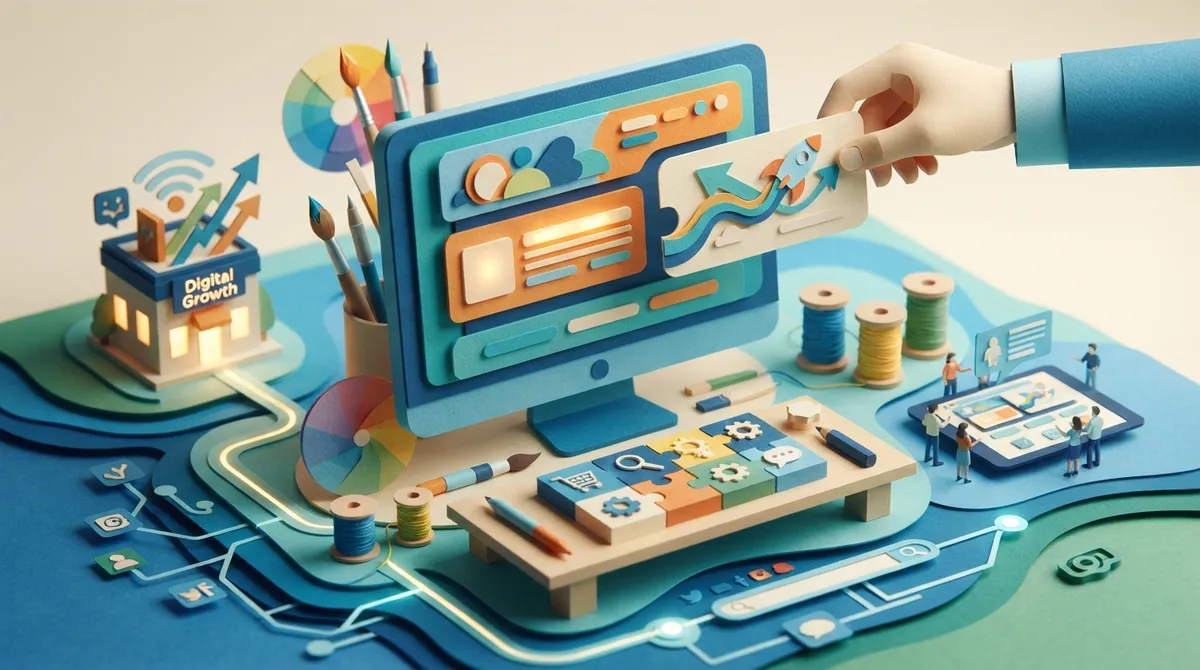
Custom website design means building a website from scratch based on research, strategy, and your unique business goals. Instead of starting with a pre-made theme, a design team maps out your customer’s journey first. Then they build the site structure, pages, and navigation around that journey.
This is very different from grabbing a template off a website builder. Templates are made for the masses. They assume every business is the same. But your business isn’t like every other business, and your website shouldn’t act like it either. That’s the core idea behind website design that actually performs.
How Custom Design Differs From Templates
Let’s make this simple. A template is like a suit bought off the rack. It might fit okay. A custom-built website is like a tailored suit made just for you. It fits perfectly because it was designed with your exact measurements in mind.
- Templates use generic layouts built for “average” businesses
- Custom sites are structured around your actual customer data and goals
- Templates limit customization once you outgrow the theme
- Custom builds use scalable design systems, often created in Figma, so you can add features later
- Templates often include bloated code that slows load times
- Custom code is lean, fast, and built only with what your site needs
Small business owners often start with a template because it’s cheap and fast. But many end up hitting a wall within a year or two, wanting features the template simply can’t support.
Why Custom Website Design Matters for SEO
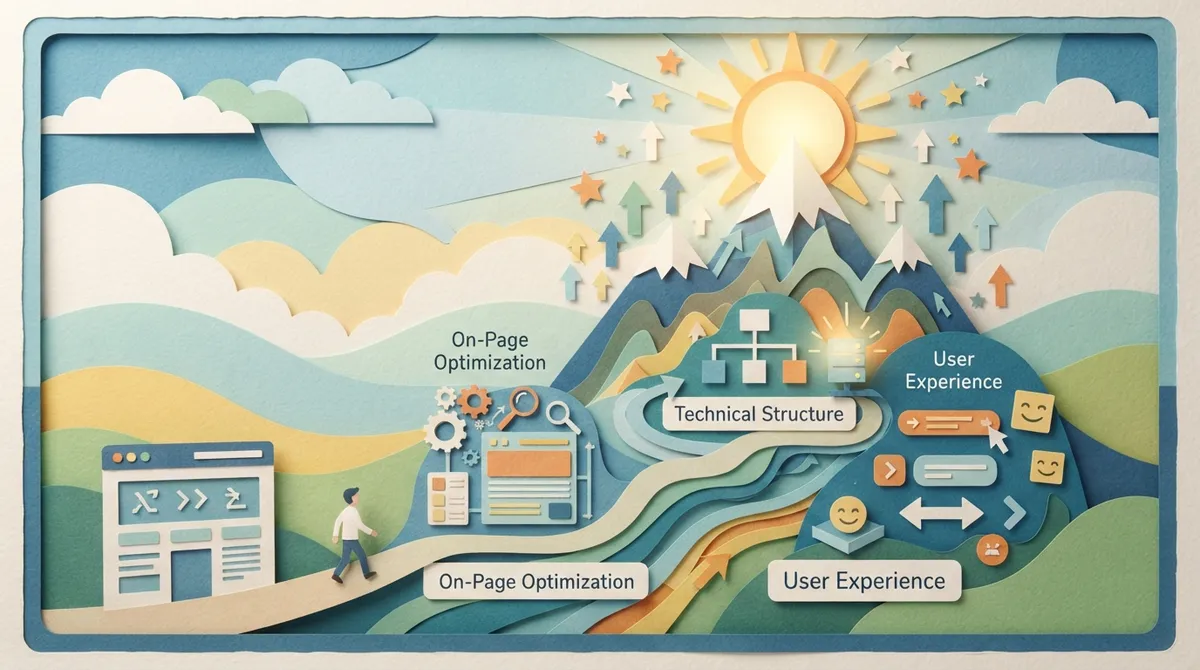
Here’s something a lot of business owners don’t realize: your website design directly affects your search rankings. Google rewards sites that load fast, work great on phones, and give visitors a smooth experience. A custom site is built with these factors baked in from day one.
According to industry data, custom builds incorporate proper heading structures, optimized URLs, clean sitemaps, and navigation that’s informed by real keyword research done during the planning phase. This isn’t an afterthought bolted on later. It’s part of the foundation.
Mobile-First Is No Longer Optional
Over 75% of eCommerce traffic now happens on mobile devices. That’s a massive shift from just a few years ago. If your site wasn’t built mobile-first, you’re likely losing customers before they even see your products or services.
Custom website design treats mobile as the starting point, not an afterthought. Every button, image, and menu is tested to work smoothly on a phone screen first, then scaled up for tablets and desktops. This approach, paired with strong SEO foundations, helps your business show up when local customers search for what you offer.
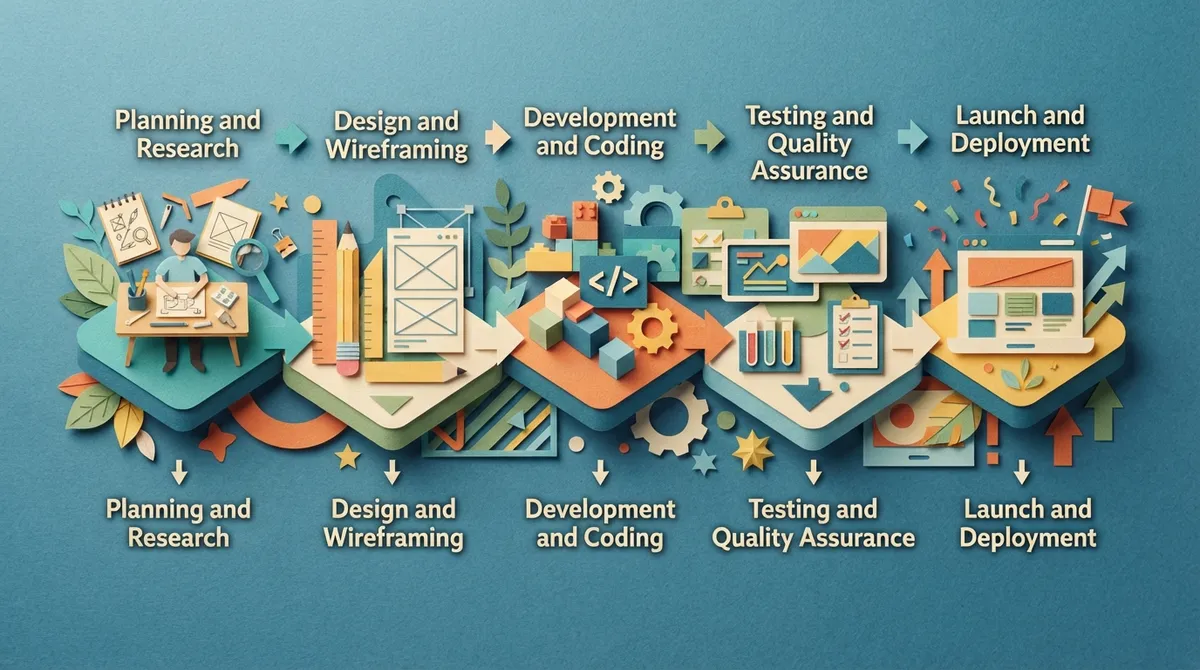
Steps Involved in Building a Custom Website
Wondering what actually happens during a custom design project? Here’s a simple breakdown of the typical process:
- Discovery and research: understanding your audience, competitors, and goals
- Keyword and content planning: mapping pages to what customers actually search for
- Wireframing: sketching out the site’s structure and user flow
- Visual design: creating the look and feel that matches your brand
- Development: building the site with clean, fast, scalable code
- Testing: checking speed, mobile responsiveness, and accessibility
- Launch and optimization: going live, then monitoring performance and making adjustments
Each step builds on the last. Skipping steps (like many DIY builders do) usually leads to problems down the road, like poor rankings or confusing navigation that turns visitors away.
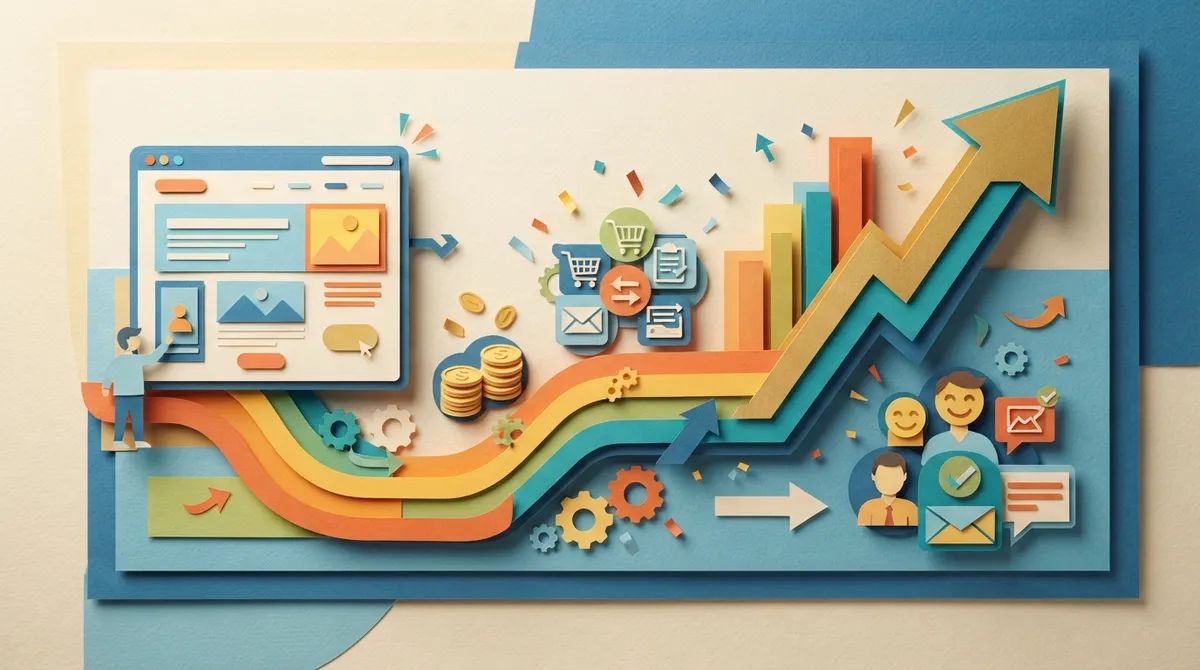
How Custom Design Boosts Conversion Rates
A pretty website is nice. But a website that turns visitors into paying customers is what actually grows your business. Custom design focuses heavily on conversion rate optimization by mapping every page to what the visitor actually wants.
Think about it this way. When someone lands on your homepage, they should immediately understand what you do and what to do next. Custom sites use clear visual hierarchy and obvious calls-to-action to guide people naturally toward booking, buying, or calling.
Key Conversion Elements Custom Sites Include
- Clear, benefit-driven headlines above the fold
- Strategic placement of contact forms and buttons
- Trust signals like testimonials and reviews
- Fast-loading pages that don’t frustrate impatient visitors
- Simple navigation that doesn’t confuse or overwhelm
- Accessibility features that welcome all users, including those using screen readers
That last point matters more than people realize. Many custom builds now bake in WCAG 2.2 AA accessibility standards. This isn’t just good practice, it’s often becoming a legal requirement too.
Custom Website Design vs Website Builders: A Quick Comparison
| Feature | Template/Website Builder | Custom Website Design |
|---|---|---|
| Design Uniqueness | Shared with thousands of other sites | Built exclusively for your brand |
| SEO Foundation | Basic, often generic | Built around keyword research and strategy |
| Load Speed | Often slower due to bloated code | Optimized and lean code for speed |
| Scalability | Limited by theme structure | Fully scalable design systems |
| Mobile Experience | Sometimes an afterthought | Mobile-first from the start |
| Long-Term Cost | Cheaper upfront, costly to fix later | Higher upfront, better long-term ROI |
This comparison shows why so many growing businesses eventually move away from builders. It’s not that builders are bad for everyone. They just aren’t built for businesses ready to scale.
Who Needs Custom Website Design the Most?
Not every business needs the same approach, but certain groups benefit enormously from investing in a custom build:
- Small business owners wanting to stand out in a crowded local market
- E-commerce retailers needing product pages that actually convert browsers into buyers
- Startups trying to build trust and credibility fast
- Local service providers who rely on local search visibility to get calls and bookings
- Marketing managers running paid campaigns that need a strong landing experience
If you fall into any of these categories, chances are your current website (or lack of one) is holding your marketing efforts back. Even the best Google Ads campaign will struggle to convert if it sends traffic to a slow, confusing, outdated site.
SEO, GEO, and AEO: Why Custom Sites Matter More Than Ever in 2026
Search isn’t just about Google anymore. AI-driven search results and chatbots are changing how people find businesses. This means your website needs strategy built around SEO, Generative Engine Optimization (GEO), and Answer Engine Optimization (AEO) all at once.
Custom website design gives you the flexibility to structure content in ways that answer questions clearly, something AI search tools reward heavily. Templates rarely allow this level of control over heading structure, schema markup, or content organization. If you want to understand more about this shift, check out our breakdown on what AEO means for digital marketing and how it’s reshaping search visibility.
Integrating CRM and Marketing Tools
Another advantage of custom builds is flexibility with integrations. Whether you use a CRM, email marketing platform, or booking software, a custom site can be built to connect smoothly with these tools. Templates often require clunky plugins or workarounds that slow everything down and create technical headaches later.
Common Questions Business Owners Ask Before Starting
Before committing to a custom build, most business owners want clarity on cost, timeline, and process. While pricing depends on your specific needs (pages, features, e-commerce capability, and content), the investment typically pays for itself through better rankings, faster load times, and higher conversion rates over time.
Timelines vary too. A simple informational site might take a few weeks. Larger e-commerce builds with custom features can take longer. The key is working with a team that communicates clearly at every step, something Brain Buzz Marketing prioritizes with every single project.
Why Tampa Businesses Trust Brain Buzz Marketing
As about Brain Buzz Marketing explains, this agency was built by husband-and-wife team Eric and Nicole, who bring decades of experience dating back to 1998. That’s a long history of watching digital trends come and go, and adapting strategies that actually work.
Being a small, selective agency means every client gets real attention. There’s no handoff to a junior team member you’ve never met. You work directly with experts who care about your results, all while keeping costs far more reasonable than bloated agencies with high overhead. You can browse examples of past projects in our portfolio or read what clients have said in our testimonials section.
Since everything happens virtually, collaboration is easy no matter where you’re located across the Tampa Bay area. If you want to see how local business owners feel about working with our team, visit us on Google — Brain Buzz Marketing to read real reviews from real clients.
Real-World Examples of Custom Design Impact
Local businesses across various industries benefit from custom sites tailored to their specific needs. For instance, service-based companies like Wayne & Sons Landscaping & Junk Removal rely on clear, conversion-focused pages that make it easy for customers to request quotes and book services quickly. Similarly, healthcare-focused businesses such as Smile District benefit from custom layouts that build trust immediately, which matters enormously in industries where credibility is everything.
These examples show that custom design isn’t just about looking nice. It’s about solving real business problems through smart structure and strategy.
Steps to Get Started With Your Own Custom Website
- Define your main business goals: more leads, more sales, more bookings
- Identify your target audience and what they search for online
- Gather examples of sites you like (and dislike) for reference
- Choose a team experienced in both design and SEO strategy
- Provide honest feedback throughout the design and development process
- Plan for ongoing updates and content additions after launch
Following these steps helps ensure your project stays on track and delivers real results, not just a pretty homepage that never gets visited.
Why E-E-A-T Matters for Your Website Content
Google continues to prioritize sites that demonstrate real Experience, Expertise, Authoritativeness, and Trustworthiness. This concept, known as Google E-E-A-T, directly impacts how your custom site should be structured and written.
Custom website design allows for content strategies that highlight your real expertise, whether that’s through case studies, staff bios, or detailed service pages. Templates rarely give you this level of control over how trust signals are displayed throughout your site.
For businesses wanting to stay updated on marketing trends and strategy tips, following industry experts is a smart move. You can follow Eric on LinkedIn or follow Nicole on LinkedIn for insights straight from the team behind Brain Buzz Marketing. You can also stay connected through our Facebook page or follow along on Instagram for behind-the-scenes updates.
Ready to Build a Website That Actually Works for You?
Your website should work as hard as you do. It should bring in leads while you sleep, answer customer questions before they even call, and represent your brand the way it deserves. A generic template simply can’t do that job the way a custom-built site can.
Whether you’re a startup just getting off the ground, an e-commerce retailer looking to boost conversions, or a local service provider ready to dominate your market, custom website design gives you the foundation to grow. Pair that with strong digital marketing services and content writing services, and you’ve got a recipe for long-term success.
Ready to see what a custom website could do for your business? Get in touch with our team today and let’s talk about building something that actually drives results.
FAQs
Q: What is the difference between custom website design and template-based websites?
A: Custom design means your site is built from scratch around your specific business goals and audience, while templates use pre-made layouts shared by thousands of other sites. Think of it like a tailored suit versus something off the rack. Custom sites simply fit your business better in every way, from SEO to conversions.
Q: How does custom website design improve SEO and organic traffic?
A: Custom sites are built with SEO baked in from day one, including proper heading structures, fast load times, and mobile-first design. Since over 75% of eCommerce traffic comes from mobile, this foundation really matters for rankings and organic visitors finding your business.
Q: Why is custom website design better for conversion rates?
A: Custom design maps every page to what your visitor actually wants, using clear calls-to-action and logical flow to guide them toward booking or buying. Templates often use generic layouts that don’t account for your specific customer journey, which can leave conversions on the table.
Q: What is the typical timeline for a custom website design project?
A: Timelines vary based on complexity, but a simple informational site might take just a few weeks. Larger e-commerce builds with custom features and integrations naturally take longer. Working with an experienced team helps keep the process smooth and on schedule.
Q: Can custom website design integrate with my existing CRM or marketing tools?
A: Yes, that’s actually one of the biggest advantages of going custom. Your site can be built to connect smoothly with your CRM, email platform, or booking software, without the clunky plugins templates often require.
Our Service Area