How to Build Nonprofit Websites That Win More Donors
Discover how smart website design for nonprofits builds donor trust, boosts giving, and grows your cause's reach in 2026.

Key Takeaways
-
Place a prominent donate button on every page and simplify the donation process to minimize steps, as abandonment during checkout directly costs nonprofits gifts before they're received.
-
Include essential pages with real photos, impact numbers, and clear mission statements on your homepage and About page within seconds, since visitors decide whether to stay in just a few seconds.
-
Optimize your website for mobile devices first, as over 60% of donors browse and donate from phones, and slow load times cause visitors to leave within 3 seconds.
-
Implement local SEO and Answer Engine Optimization strategies to help your nonprofit appear in search results when community members search for causes like yours, especially in your specific service areas.
Running a nonprofit means wearing ten hats at once. You’re managing volunteers, planning events, writing grant applications, and somehow also supposed to be a tech expert. Sound familiar? Here’s some good news: you don’t have to figure out website design alone, and getting it right can completely change how many donors and volunteers find your cause.
A great nonprofit website does more than look nice. It builds trust, tells your story, and turns curious visitors into loyal supporters. Whether you run a small local charity in Tampa or a growing regional nonprofit, this guide will walk you through exactly what makes nonprofit website design work in 2026. Let’s dive in.
Why Website Design for Nonprofits Looks Different
Nonprofit websites have a unique job. Unlike a store selling products, your site needs to inspire trust and emotion. People want to know their donation actually helps someone. That means your design choices matter even more.
Nonprofits also often work with tighter budgets than businesses. This means every dollar spent on website design needs to work hard. You need a site that converts visitors into donors without costing a fortune to build or maintain.
Here are the main goals a nonprofit website must accomplish:
- Build instant credibility and trust with new visitors
- Make donating simple and fast, with as few clicks as possible
- Share your mission and impact clearly and emotionally
- Recruit volunteers and event attendees easily
- Rank well in local searches so people can find you
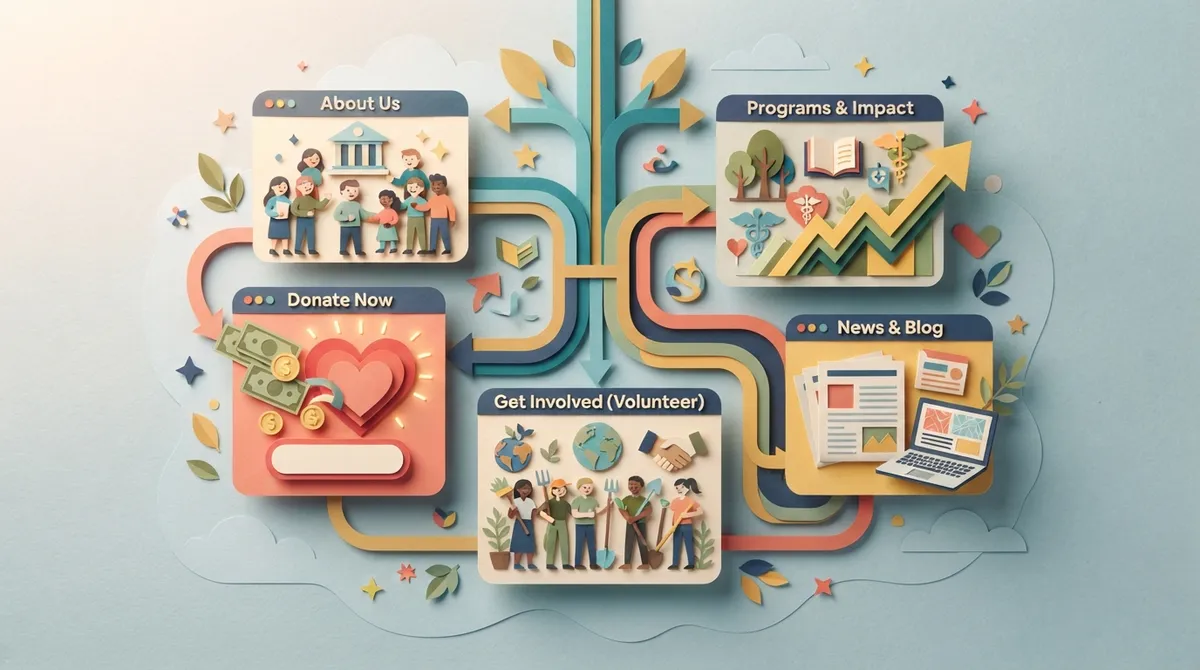
Essential Pages Every Nonprofit Website Needs
Before you start designing, you need a clear plan for your site structure. Missing key pages confuses visitors and costs you donations. Here’s what every nonprofit site should include.
1. A Clear Homepage That Tells Your Story Fast
Visitors decide within seconds if they’ll stay on your site. Your homepage needs a strong headline, a clear mission statement, and an obvious donate button above the fold. Don’t make people scroll to find out what you do.
2. An About Page With Real Faces and Facts
People give money to people, not organizations. Show photos of your team, board members, and the people you help. Share your founding story and your impact numbers here.
3. A Simple, Secure Donation Page
This is the most important page on your entire site. It should load fast, work on mobile, and offer multiple payment options. Too many steps in the donation process cause people to abandon before finishing.
4. A Programs or Services Page
Explain exactly what you do and who you help. Use plain language, not jargon. Break down your different programs so visitors understand where their money goes.
5. A Volunteer and Get Involved Page
Not everyone can give money, but many people want to give time. Make it easy to sign up, with clear next steps and contact information.
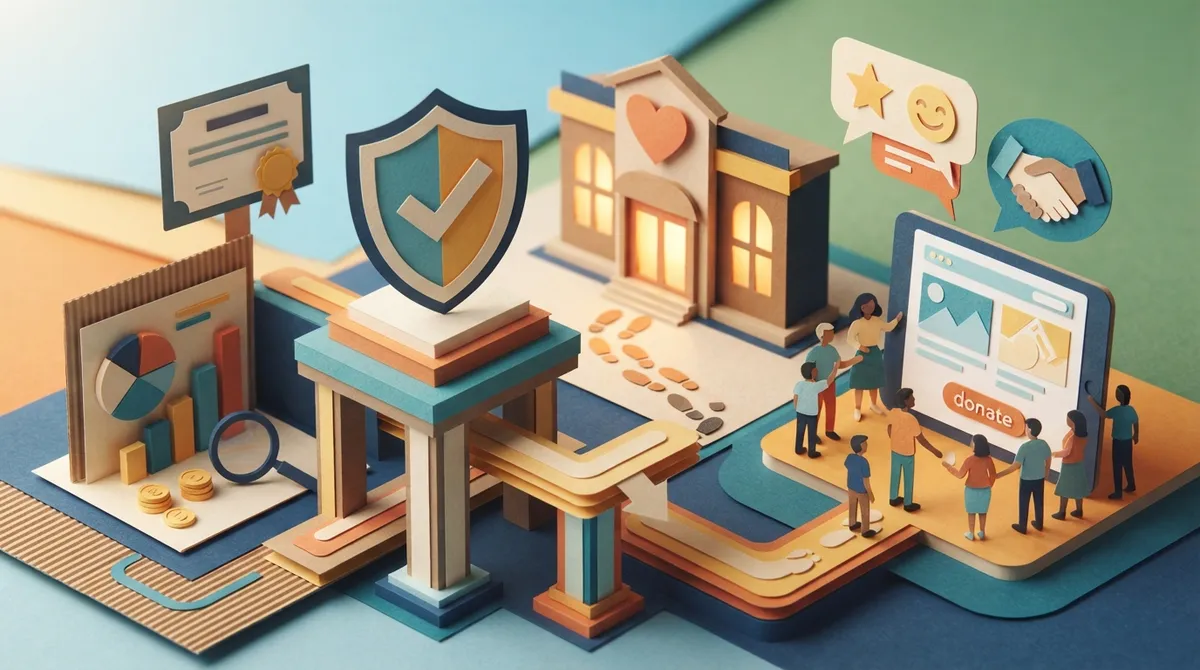
Key Design Features That Build Donor Trust
Design choices directly affect how much people trust your organization. A dated or confusing website makes visitors question if you’re legitimate, even if your cause is amazing.
| Design Feature | Why It Matters |
|---|---|
| Mobile-Responsive Layout | Over 60% of donors browse and give from their phones |
| Fast Load Speed | Slow sites lose visitors within 3 seconds |
| Clear Donate Button | Should appear on every single page, not buried in menus |
| Impact Numbers and Stories | Builds emotional connection and proves results |
| Secure Payment Badges | Reassures donors their information is safe |
| Accessible Design | Ensures visitors with disabilities can navigate easily |
A professionally built site also supports better SEO performance, which means more people find your cause through search engines instead of just word of mouth.
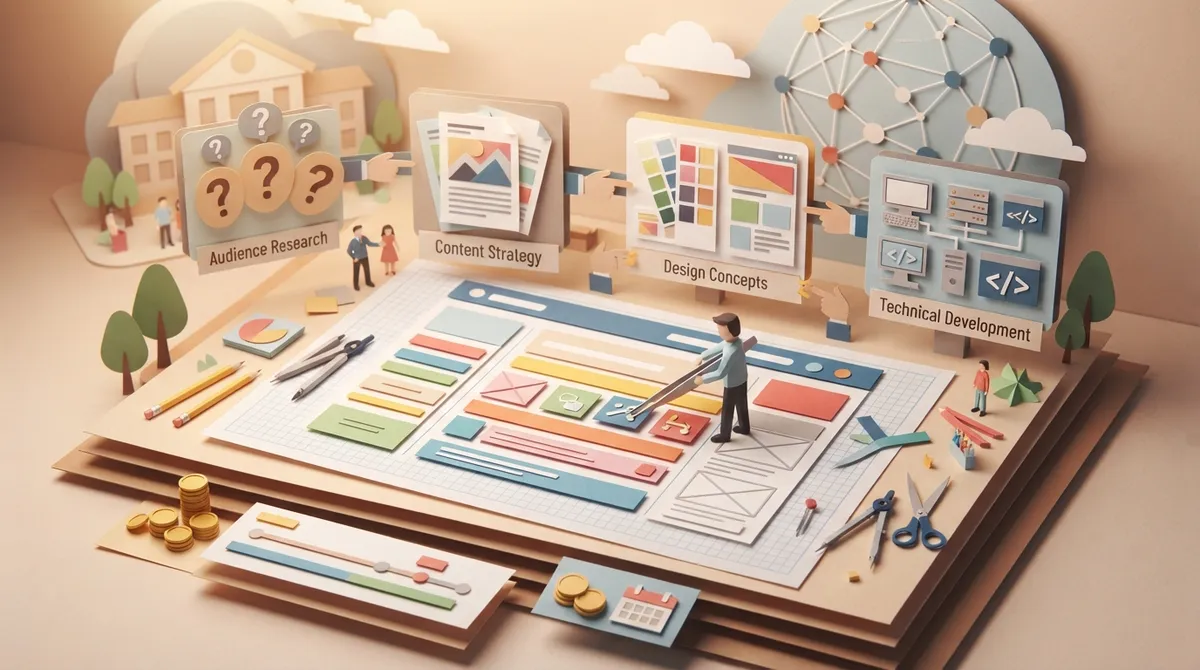
How to Plan Your Nonprofit Website Redesign
If your current site feels outdated or hard to use, a redesign might be overdue. Here’s a simple step-by-step process to follow.
- Audit your current site. List what works and what doesn’t. Check your donation completion rate and bounce rate if you have analytics set up.
- Define your goals. Do you want more donations, more volunteers, or more event signups? Your design should support your top priority.
- Gather your content. Collect photos, mission statements, impact stories, and testimonials before design begins.
- Choose a platform. Pick a content management system that lets your team update content without needing a developer every time.
- Design with mobile first. Since most visitors use phones, design your layout for small screens before scaling up to desktop.
- Test your donation flow. Walk through the entire donation process yourself. If it’s confusing to you, it will confuse donors too.
- Launch and monitor. After launch, track your traffic and donation numbers to see what’s working.
Many nonprofits also need reliable WordPress Hosting to keep their site fast and secure without worrying about technical maintenance.
Common Website Mistakes That Cost Nonprofits Donations
Small design mistakes can quietly push donors away. Here are the most common problems we see with nonprofit websites.
- Hidden donate buttons. If visitors have to hunt for how to give, they’ll leave instead.
- Too much text, not enough images. Walls of text feel overwhelming. Break things up with photos and short paragraphs.
- No mobile optimization. A site that looks broken on phones instantly damages credibility.
- Outdated information. Old event dates or broken links make your organization look inactive.
- Slow page speed. Every extra second of load time increases the chance visitors leave.
- No clear call to action. Every page should tell visitors exactly what to do next.
Fixing these issues often requires more than a quick patch. A full Website Agency can help identify weak spots and rebuild your site with donor conversion in mind.
Why SEO Matters for Nonprofit Websites Too
Many nonprofits assume SEO is only for businesses selling products. That’s not true. When someone searches “food bank near me” or “animal shelter donations,” you want your organization showing up first.
Good digital marketing services for nonprofits include local search optimization, so people in your community can actually find you. This is especially important for nonprofits serving specific areas like Tampa, Brandon, or Riverview, where local visibility directly impacts how many people show up to help.
Content also plays a huge role. Writing about your programs, sharing success stories, and answering common questions through blog posts helps you rank higher and builds trust at the same time. Learn more about how content writing services can support your mission with consistent, search-friendly storytelling.
Budgeting Wisely for Your Nonprofit Website
We understand nonprofits often stretch every dollar as far as possible. The good news is you don’t need a massive budget to get a professional, donor-friendly website. What you need is a partner who understands your mission and builds efficiently.
Consider what you actually need before committing to a project. A simple five-page site might be perfect for a small local nonprofit, while larger organizations with multiple programs may need a bigger structure with a blog and events calendar built in.
Brain Buzz Marketing has been helping Tampa-area organizations grow their online presence since 1998. As a small, husband-and-wife-run team, we keep our overhead low so nonprofits get high-end results without the big agency price tag. Learn more about Brain Buzz Marketing and how we’ve supported organizations across Florida for decades.
Looking Ahead: AI Search and Nonprofit Visibility
Search is changing fast. More people now use AI tools to find information, including charities and causes to support. This means nonprofit websites need to think beyond traditional SEO.
Answer Engine Optimization, or AEO, helps your content get picked up by AI-driven search tools and chatbots. If someone asks an AI assistant “what nonprofits help feed families in Tampa,” you want your organization mentioned in the answer. Structuring your content clearly, with direct answers to common questions, helps you show up in these new search experiences.
This is a newer strategy, and getting ahead of it now gives your nonprofit an edge over organizations still relying only on old-school SEO tactics.
Trust Signals That Strengthen Your Nonprofit’s Credibility
Beyond design, your website needs to prove you’re trustworthy. According to Google E-E-A-T guidelines, showing real experience, expertise, authority, and trust matters more than ever for ranking well and earning visitor confidence.
Here are simple ways to add trust signals to your site:
- Display your nonprofit’s registration or tax-exempt status
- Share annual reports or financial transparency documents
- Include real testimonials from volunteers and beneficiaries
- Show your social media activity, and link to platforms like Instagram or Facebook where supporters can see you in action
- Feature press mentions or awards your organization has received
You can also check what current supporters are saying by reading community feedback. For example, you can visit us on Google — Brain Buzz Marketing to see how we’ve helped local organizations and businesses build stronger online presences over the years.
Ready to Build a Website That Supports Your Mission?
Your nonprofit does important work, and your website should reflect that. A well-designed site doesn’t just look professional. It brings in more donations, more volunteers, and more community support for the cause you care about.
Whether you’re starting from scratch or ready for a full redesign, our team understands how to build sites that convert visitors into lifelong supporters. We’ve spent decades helping organizations across Tampa, Brandon, Riverview, and beyond grow their digital presence with heart and strategy combined.
Ready to give your nonprofit the website it deserves? Contact Us today to talk through your goals and get a plan that fits your budget and mission.
FAQs
Q: How much does website design for nonprofits typically cost?
A: It really depends on how many pages you need and what features matter most to your mission. Simple sites can start affordably, while larger sites with blogs or events calendars cost a bit more. The best approach is to talk through your specific goals so you get a plan that fits your budget.
Q: Do nonprofit websites need SEO too?
A: Absolutely, yes! Many folks assume SEO is just for businesses, but nonprofits benefit hugely from showing up in local searches. When someone searches for a cause like yours, you want to be the first result they see, not buried on page three.
Q: What’s the most important page on a nonprofit website?
A: Your donation page, hands down. It needs to be simple, fast, and mobile-friendly. If donors get confused or frustrated during checkout, you’ll lose that gift before it’s even given.
Q: How often should a nonprofit update its website?
A: We recommend refreshing content like events and impact stories every few months, with a full design review every two to three years. Search engines and visitors both notice when a site feels stale or outdated.
Q: Can a small nonprofit with a tight budget still get a great website?
A: Definitely! You don’t need a massive budget to get a professional site that builds trust and drives donations. Working with a small, dedicated team often means better value and more personal attention than a big agency can offer.
Our Service Area