What Makes Good Website Design Turn Clicks Into Sales?
Learn what makes good website design in 2026, including speed, navigation, mobile design, and SEO tips that boost conversions.

Key Takeaways
-
Pages must load in under 3 seconds and be mobile-friendly first, as Google ranks mobile sites first and visitors abandon slow sites immediately.
-
Clean navigation with 3-click maximum to find information builds trust instantly and improves both user experience and SEO performance.
-
Design and content must work together strategically, with clear calls-to-action on every page guiding visitors toward specific goals like leads, sales, or bookings.
-
Website design directly impacts search rankings through page speed, mobile responsiveness, heading structure, and site organization—all ranking factors Google measures.
-
Common design mistakes like hidden contact info, uncompressed images, too much homepage text, and unclear next steps are fixable without full redesigns and deliver quick improvements.
-
Trust signals including testimonials, security badges, and consistent branding across all pages are essential for converting visitors into customers, especially for local businesses.
You landed on two websites last week. One made you stay and buy. The other made you hit the back button in five seconds flat. What’s the difference? It’s not luck. It’s good website design, and it’s the single biggest factor deciding whether visitors become paying customers or vanish forever.
If you’re a small business owner, e-commerce retailer, marketing manager, startup founder, or local service provider, this question matters more than ever in 2026. Your website isn’t a digital business card anymore. It’s your best salesperson, working 24/7. At Brain Buzz Marketing, we’ve spent decades helping businesses in Tampa, Brandon, Riverview, and across Florida build sites that actually convert. In this guide, we’ll break down exactly what separates a good website from a great one, and why it matters for your bottom line.

Why Does Good Website Design Matter So Much in 2026?
People judge your business in about 50 milliseconds. That’s how fast someone forms an opinion about your website. If it looks outdated, loads slowly, or confuses visitors, they leave. They don’t give you a second chance.
Good design builds trust instantly. It tells visitors you’re professional, reliable, and worth their time. This is especially true for local service providers and small business owners competing against bigger companies with bigger budgets. Your website design often becomes the deciding factor between winning a customer or losing them to someone else.
Beyond first impressions, good design directly impacts your search rankings, your ad performance, and your conversion rates. Google rewards sites that load fast and work well on phones. Visitors reward sites that are easy to use. Great design checks both boxes at once.
What Are the Core Elements of Good Website Design?
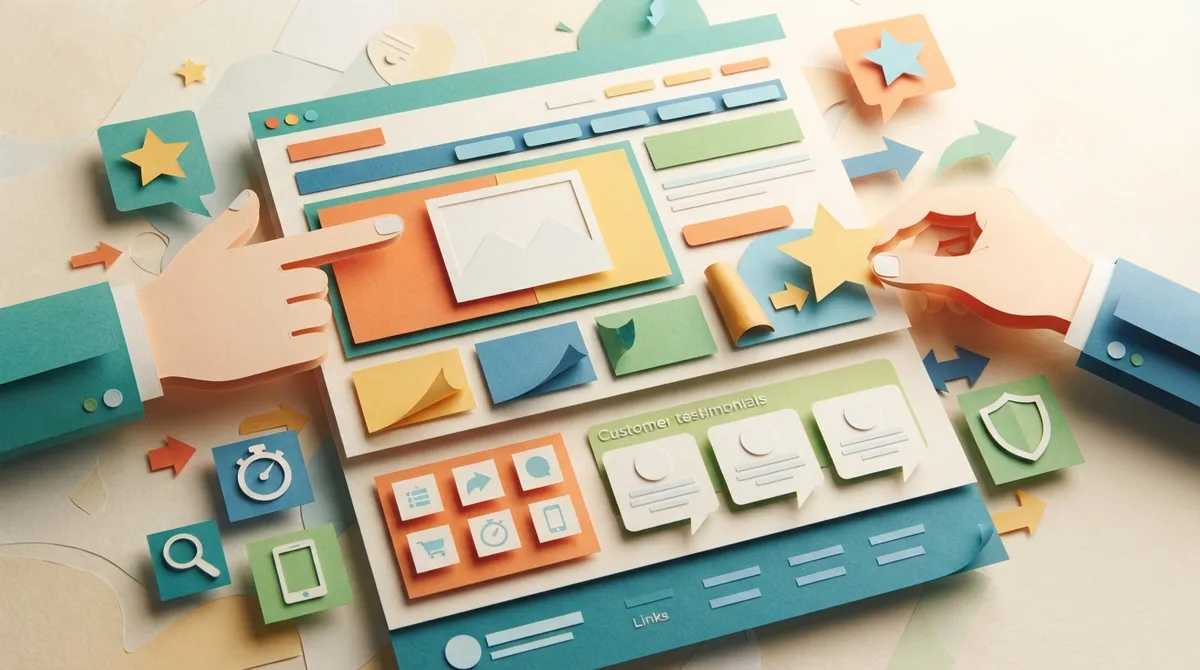
Good website design isn’t just about pretty colors and fancy fonts. It’s a mix of function and style working together. Here are the elements that matter most:
- Clean, simple navigation: Visitors should find what they need in three clicks or less.
- Fast loading speed: Pages should load in under three seconds, or people leave.
- Mobile-friendly layout: More than half of web traffic comes from phones today.
- Clear calls-to-action: Buttons that tell visitors exactly what to do next.
- Readable typography: Text that’s easy on the eyes, with good spacing and contrast.
- Consistent branding: Colors, logos, and messaging that match across every page.
- Trust signals: Reviews, testimonials, and security badges that ease worries.
When these pieces work together, your site feels effortless to use. That’s the goal. A visitor shouldn’t have to think hard about where to click next.
How Does Navigation Affect User Experience?
Think about walking into a store where nothing is labeled. You’d probably leave. The same thing happens online. Confusing menus and buried pages frustrate visitors fast.
Good navigation uses simple labels like “Services,” “About,” and “Contact.” It avoids clever names that confuse people. A well-organized menu also helps search engines understand your site, which boosts your SEO performance over time.
Why Does Mobile Design Come First Now?
Google now looks at your mobile site first when deciding search rankings. This is called mobile-first indexing. If your site looks broken on a phone, your rankings suffer no matter how great your desktop version looks.
Local service providers especially need this. Someone searching “plumber near me” is almost always on their phone. If your site doesn’t load right or buttons are too small to tap, you lose that customer to a competitor with a smoother mobile experience.

How Do You Know If Your Website Design Is Working?
You don’t have to guess. There are clear signs that tell you whether your design is helping or hurting your business. Here’s a quick comparison to help you evaluate your current site:
| Sign of Good Design | Sign of Poor Design |
|---|---|
| Page loads in under 3 seconds | Page takes 5+ seconds to load |
| Bounce rate below 50% | Bounce rate above 70% |
| Clear path to contact or purchase | Visitors can’t find contact info easily |
| Consistent look on mobile and desktop | Broken layout on phones |
| Visitors stay 2+ minutes on average | Visitors leave in under 30 seconds |
If your site falls into the “poor design” column more than once, it’s time for a change. Small tweaks can make a huge difference, but sometimes a full redesign is the smarter investment. Our article on 7 signs it’s time for a website redesign in 2026 can help you decide which path fits your situation.
What Steps Should You Follow to Build a Great Website?
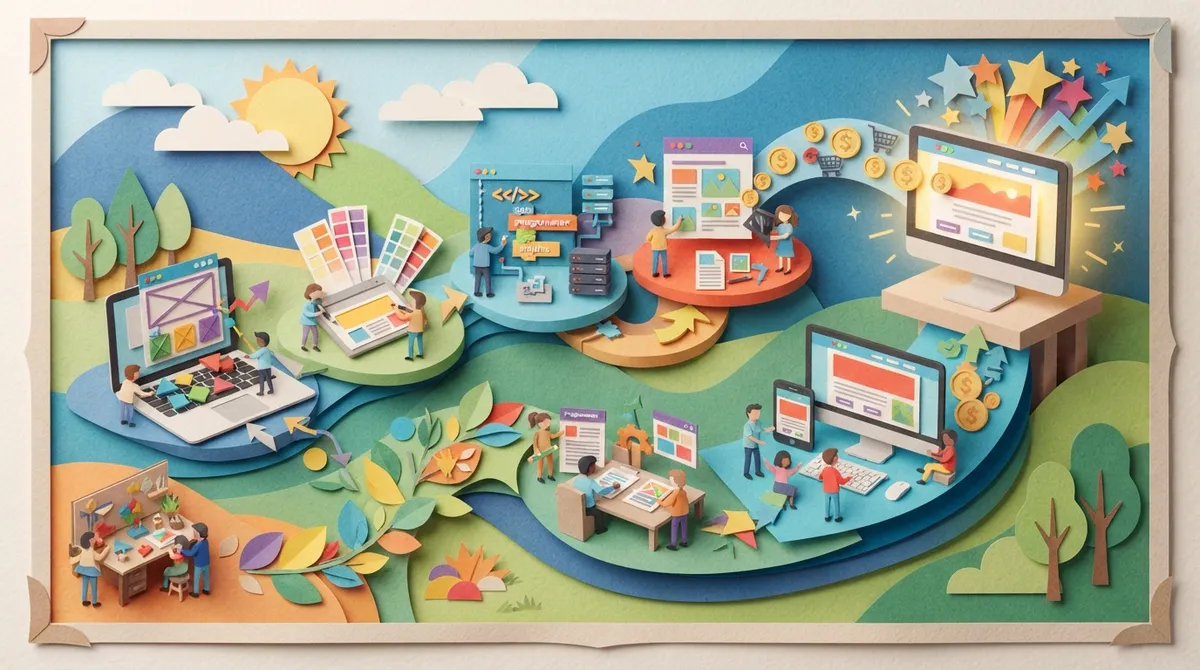
Building a website that works isn’t random. It follows a proven process. Here’s how we approach it at Brain Buzz Marketing:
- Define your goal. Do you want leads, sales, or bookings? Every design choice should support that goal.
- Map out the user journey. Think about what a visitor needs to see first, second, and third.
- Choose a clean, modern layout. Avoid clutter. White space isn’t wasted space, it’s what helps eyes rest.
- Optimize for speed. Compress images and use reliable WordPress hosting to keep load times fast.
- Add strong calls-to-action. Every page should guide visitors toward the next step.
- Test on multiple devices. Check how the site looks on phones, tablets, and desktops before launch.
- Track performance and adjust. Use analytics to see what’s working and what needs improvement.
This process works whether you’re a startup building your first site or an established business planning a redesign. Skipping steps almost always leads to a site that looks fine but doesn’t perform.
What Role Does Content Play in Good Website Design?
Design and content are partners, not separate projects. A gorgeous website with weak, confusing text still fails to convert visitors. Words guide people just as much as buttons and layout do.
Good website copy answers the visitor’s questions before they even ask them. It speaks directly to their problem and shows how you solve it. This is where content writing services become essential, especially content built around the keywords your customers are actually searching for.
In 2026, content also needs to work for AI search tools, not just Google. This means writing clear, direct answers that large language models can pull from when someone asks a question through an AI assistant. Good design and smart content strategy now go hand in hand more than ever.
How Do SEO and Website Design Work Together?
Many business owners think SEO and design are separate tasks. They’re not. Search engines actually read your site’s structure, speed, and mobile performance as ranking signals. A poorly designed site can hurt your SEO no matter how good your content is.
Here are a few ways design directly impacts your search visibility:
- Fast-loading pages rank higher than slow ones.
- Clear heading structure (H1, H2, H3) helps Google understand your content.
- Mobile-friendly design is a direct Google ranking factor.
- Simple URLs and internal links help both users and search engines navigate your site.
This is why we always recommend combining design and SEO strategy from day one. Our guide on how to align web design and SEO for maximum online success dives deeper into this topic if you want more detail.
What Mistakes Hurt Website Design the Most?
Even well-meaning business owners make costly design mistakes. Here are the most common ones we see:
- Too much text on the homepage: Visitors skim, they don’t read paragraphs of text right away.
- Slow-loading images: Large, uncompressed photos kill page speed.
- Hidden contact information: If people can’t find your phone number fast, they’ll leave.
- Outdated design trends: Flashy animations from years ago now feel dated and unprofessional.
- No clear next step: Every page needs one clear action for the visitor to take.
Fixing these issues doesn’t require a total overhaul most of the time. Small, strategic changes often bring big improvements in how visitors respond to your site.
How Can Local Businesses in Tampa Benefit From Better Design?
If you run a local business in Tampa, Brandon, Riverview, or nearby areas, your website needs to do double duty. It should look professional and also help you show up in local searches. Local customers searching on their phones expect fast, easy-to-navigate sites that clearly show your services and location.
We’ve worked with dozens of local service providers across the Tampa Bay area, and we’ve seen firsthand how a well-designed, mobile-friendly site paired with strong local SEO can transform a business’s online presence. You can read more real client feedback and see testimonials from businesses just like yours. You can also visit us on Google — Brain Buzz Marketing to see what our clients say about working with our team.
According to Search Engine Journal’s guide on Google E-E-A-T, trust and experience signals matter more than ever for ranking well. A well-designed website that clearly shows expertise and real client results supports this trust-building process naturally.
What Should You Look For When Hiring a Website Designer?
Not every web designer understands both design and marketing strategy. Here’s what to look for:
- A portfolio showing real results, not just pretty screenshots.
- Experience with SEO and how design impacts rankings.
- Clear communication and realistic timelines.
- Understanding of your specific industry and customer base.
- A process that includes testing and post-launch support.
Our team has been doing this since 1998, combining decades of design and marketing experience into every project. Because we’re a small, dedicated team, we bring big-agency quality without losing the personal attention smaller businesses deserve. You can follow our founders for more insights, like Eric on LinkedIn and Nicole on LinkedIn, or check out our Instagram and Facebook pages for behind-the-scenes looks at our work.
Ready to Build a Website That Actually Converts?
Good website design isn’t just about looking nice. It’s about creating a smooth path from first click to final sale. It combines speed, simplicity, mobile readiness, strong content, and smart SEO into one seamless experience for your visitors.
Whether you’re a startup launching your first site, an e-commerce retailer looking to boost conversions, or a local service provider wanting more calls from your area, the principles stay the same. Clear navigation, fast load times, and content that speaks directly to your customer’s needs will always win.
If your current website isn’t pulling its weight, now’s the time to fix that. Our team at Brain Buzz Marketing would love to learn about your business and build a site that turns visitors into loyal customers. Contact Us today to start the conversation.
FAQs
Q: What makes good website design different from average design?
A: Good website design combines fast loading speed, simple navigation, and mobile-friendly layouts with clear calls-to-action. It’s not just about looking nice, it’s about guiding visitors toward taking action, like calling your business or making a purchase.
Q: How long should a website take to load?
A: Your pages should load in under three seconds. Every extra second past that causes more visitors to leave before they even see your content. Fast hosting and compressed images make a huge difference here.
Q: Does website design really affect SEO rankings?
A: Absolutely, yes! Google looks at site speed, mobile-friendliness, and structure as ranking factors. A beautifully designed site that loads slowly or doesn’t work well on phones will struggle to rank, no matter how great the content is.
Q: How often should I redesign my website?
A: Most businesses benefit from a redesign every two to three years, or sooner if your site feels outdated, loads slowly, or isn’t converting visitors anymore. Trends and technology change fast, so it’s smart to check in regularly.
Q: Can good design alone guarantee more sales?
A: Design plays a huge role, but it works best paired with strong content and solid SEO strategy. Think of design as the vehicle and content as the fuel, you need both working together to reach your destination.
Our Service Area