Why Are My ChatGPT Ads Not Performing? 9 Fixes for 2026
Why are my ChatGPT ads not performing? Learn 9 common causes and easy fixes to improve clicks, leads, and ROI in 2026.

Key Takeaways
-
Check policy eligibility first: if impressions are near zero, look for disapproval notices, restricted claims like "guaranteed results," or landing pages that don't match the ad.
-
Set context hints to a clear problem plus a clear audience (e.g., "homeowners looking for roof repair after storm damage"), avoiding both overly broad and overly narrow phrasing.
-
Write ad copy that answers the user's likely question in plain language rather than using slogans, and end with one clear next step like "Get a free quote."
-
Make sure the landing page repeats the ad's exact promise, loads fast on mobile, and shows one clear call to action with trust signals.
-
Give campaigns at least three to four weeks of steady data and change one thing at a time, since frequent edits reset the platform's learning.
-
Verify conversion, call, and UTM tracking before judging results, because leads may be arriving but not being credited to ChatGPT ads.
You launched your first campaign, set the budget, and waited for the leads to roll in. Then… crickets. If you have been asking yourself, why are my ChatGPT ads not performing, take a deep breath. You are not alone, and the good news is that most problems have simple fixes.
ChatGPT advertising is still new territory for most small businesses. The rules are different from search ads or social ads. People are not typing short keywords. They are having full conversations and asking detailed questions. That changes everything about how your ads need to be built.
In this guide, we will walk through the nine most common reasons ChatGPT ads fall flat in 2026. You will also get a simple troubleshooting plan, a diagnostic table, and tips you can use today. Whether you run a local service company, an online store, or a growing startup, you will leave with clear next steps. Let’s get your campaign back on track.
How ChatGPT Ads Work (And Why They Feel Different)
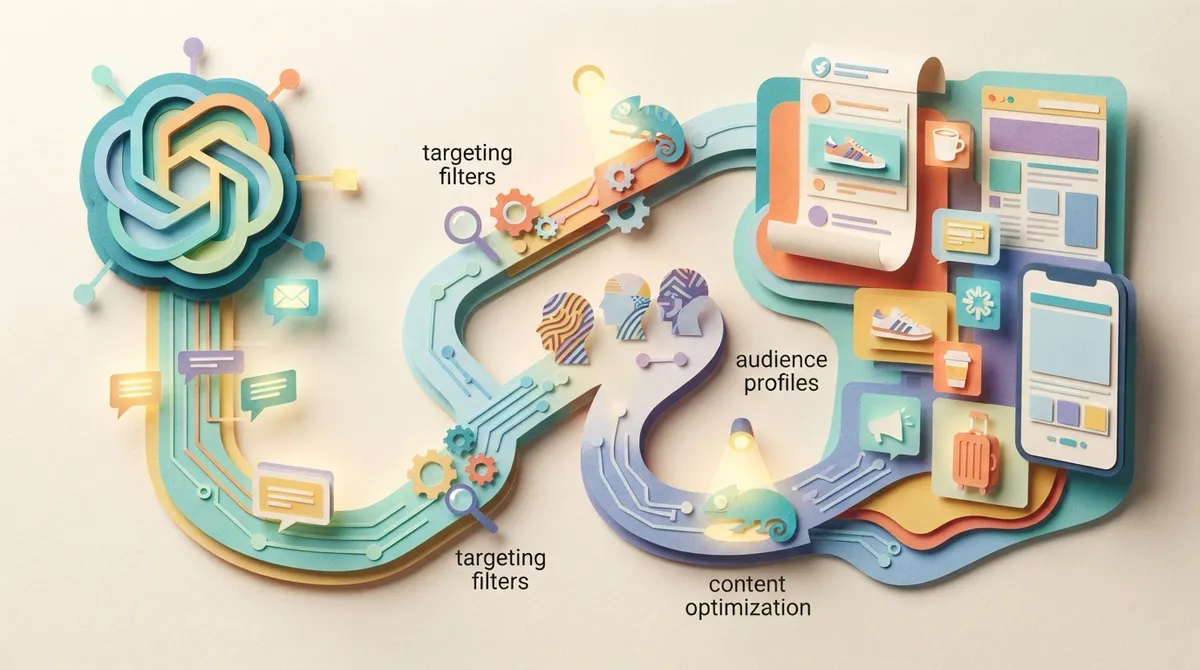
Before we fix anything, it helps to understand what makes this ad platform unique. Traditional search ads match your ad to a typed keyword. ChatGPT ads match your ad to the intent behind a conversation.
Someone might ask, “What is the best way to fix a leaky faucet before a plumber arrives?” Your ad has to fit that moment naturally. If it feels pushy or off-topic, people scroll right past it.
Here is what makes the platform different:
- Conversational context: Ads appear inside a helpful chat, so they must feel useful, not salesy.
- Context hints: You guide the platform on which conversations fit your offer.
- Higher intent users: People often ask detailed questions because they are close to a decision.
- Policy rules: OpenAI has ad policies that can limit or block certain ads.
Because of these differences, copying your Google Ads setup rarely works. A smart plan built for conversations does much better.

Reason 1: Your Ad Is Not Eligible or Is Being Limited
This one surprises people. Sometimes the ad never gets a fair shot because it breaks a policy rule. Certain industries and claims face stricter limits on the platform.
If your impressions are near zero, check eligibility first. Look for:
- Policy warnings or disapproval notices in your account.
- Restricted industries or sensitive topics in your offer.
- Exaggerated claims like “guaranteed results” or “#1 in the world.”
- Landing pages that do not match what your ad promises.
Clean up any flagged language and resubmit. A simple copy edit can unlock your reach in a day or two.
Reason 2: Your Context Hints Are Too Broad or Too Narrow
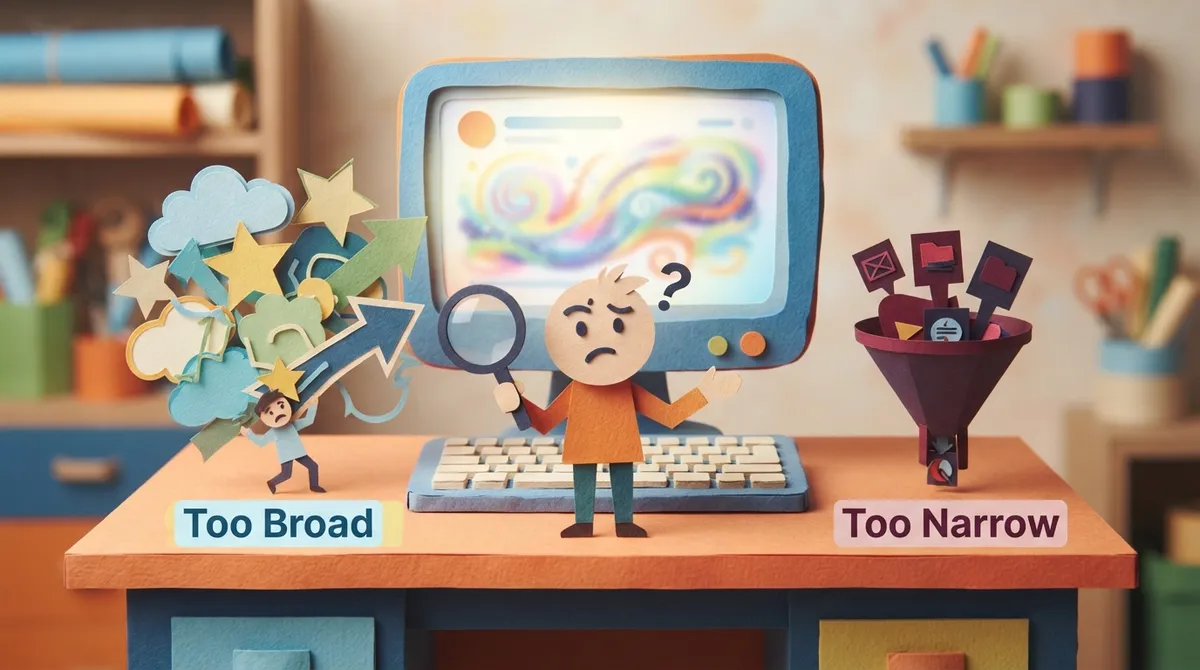
Context hints tell the platform which conversations your ad should join. Think of them as the “where” of your ad. Get them wrong, and you either show up in the wrong chats or almost none at all.
Too Broad
A hint like “marketing help” invites every kind of question. Your ad shows up for people who just want a free tip, not a paid service. You burn budget on low-intent clicks.
Too Narrow
A hint like “emergency roof repair for a two-story brick home in Brandon after a hail storm” is so specific that almost no one matches. Your ad barely runs.
The Sweet Spot
Aim for a clear problem plus a clear audience. For example: “homeowners looking for roof repair after storm damage.” It is specific enough to attract buyers and wide enough to get real volume.
Reason 3: Your Ad Copy Sounds Like an Ad
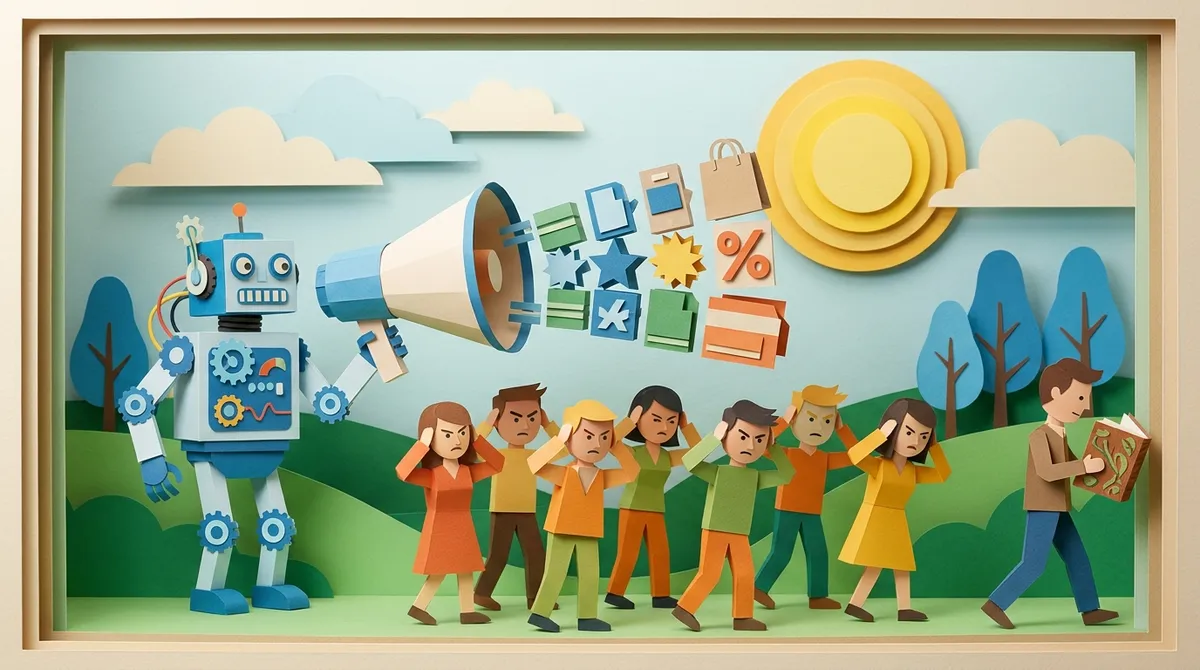
Here is a fun truth. The best ChatGPT ads do not sound like ads. People are in a helpful, learning mindset. A loud sales pitch breaks the mood.
Try these simple copy upgrades:
- Lead with a helpful answer or benefit, not a slogan.
- Use plain words, like you are talking to a neighbor.
- Match the question the user is likely asking.
- Add one clear next step, such as “See pricing” or “Get a free quote.”
Compare these two headlines. “Best Plumbing Services Ever!” feels generic. “Fix a Leaky Faucet Today, Same-Day Plumbers Near You” feels like a real answer. The second one wins nearly every time.
Reason 4: Your Landing Page Does Not Match the Promise
You can write a brilliant ad and still lose the click if the landing page disappoints. This is one of the biggest hidden leaks in any paid campaign.
Picture it. Someone asks a detailed question, sees your helpful ad, and clicks. Then they land on your home page with a slow load time and a wall of text. They leave in seconds.
A strong landing page should:
- Repeat the exact promise made in the ad.
- Load fast, especially on phones.
- Show one clear call to action above the fold.
- Include trust signals like reviews, photos, and guarantees.
If your site needs a refresh, a custom website design built for conversions can make a huge difference. A fast, focused page turns the same traffic into far more leads.
Reason 5: You Are Judging Results Too Soon
We get it. When you spend money, you want answers right away. But ad platforms need time to learn who responds best to your message.
Most campaigns need a few weeks of steady data before the picture gets clear. If you change everything every two days, you reset the learning and never find what works.
A better rhythm looks like this:
- Week 1: Launch and let the data come in.
- Week 2: Review early trends. Make one or two small changes.
- Weeks 3 and 4: Test new copy and refine context hints.
Patience plus smart testing beats panic edits every single time.
Reason 6: Your Budget Is Too Small to Learn
A tiny budget can starve a campaign. If you only get a handful of clicks each week, you cannot tell what is working. There is simply not enough data.
It is also worth knowing that ChatGPT has its own minimum ad spend requirements paid directly to the platform. Plan for that cost on top of any management fees, so your campaign has enough fuel to gather real insight.
If cash is tight, do not spread thin across five ad groups. Focus your money on one or two of your best offers. Fewer ads with more budget beats many ads with crumbs.
Reason 7: Your Tracking Is Broken or Missing
Sometimes the ads are working, but you cannot see it. Without tracking, a good campaign looks like a failure.
Check that you have:
- Google Analytics set up to spot ChatGPT visitors.
- Conversion tracking for forms, calls, and purchases.
- Call tracking if phone calls are your main lead source.
- Clean UTM tags so you know exactly where traffic came from.
Many business owners discover that leads were coming in all along. They just were not credited to the right source. Good analytics and reporting turns guesses into confident decisions.
Reason 8: Your Offer Is Not Strong Enough
Sometimes the problem is not the ad at all. It is the offer. If people do not see a good reason to act now, they will not.
Ask yourself these honest questions:
- Is my price clear and fair?
- Do I make the next step easy and low risk?
- Do I stand out from similar businesses?
- Is there a reason to act today, like a free quote or a bonus?
A free consultation, a clear price, or a fast turnaround can lift results more than any ad tweak. Strong offers make every other part of your campaign work harder.
Reason 9: You Are Treating It Like Google Ads
Many owners copy their search campaigns straight over and hope for the best. The two platforms serve people in very different moods.
Search ads catch someone typing a quick need. ChatGPT ads join a longer, more thoughtful conversation. That means your messaging, targeting, and landing pages should all shift.
If you want a deeper look at how paid search compares, read our guide on how to run Google Ads that actually drive results. Understanding both platforms helps you split your budget wisely.
Quick Diagnostic Table: Match the Symptom to the Fix
Use this table to spot your problem fast. Find the symptom that sounds like your campaign and try the matching fix first.
| Symptom | Likely Cause | Quick Fix |
|---|---|---|
| Almost no impressions | Policy issue or hints too narrow | Check approval status and widen context hints |
| Plenty of impressions, few clicks | Ad copy feels salesy | Rewrite to answer the user’s question |
| Many clicks, no leads | Weak landing page or offer | Match page to the ad and strengthen the offer |
| Clicks from the wrong people | Hints too broad | Narrow the audience and intent |
| Leads exist but are not credited | Tracking gaps | Fix conversion and call tracking |
| Results swing wildly | Budget too small or changes too fast | Add budget and test one change at a time |
Your 5-Step Troubleshooting Plan
Feeling overwhelmed? Follow this simple order. It saves time and stops you from guessing.
- Confirm eligibility. Make sure no policy flags are blocking your ads.
- Audit your tracking. You cannot fix what you cannot measure.
- Review your context hints. Aim for a clear problem and a clear audience.
- Rewrite your ad copy. Sound helpful, not pushy.
- Upgrade the landing page and offer. Make the click worth it.
Work through these in order. Most campaigns improve after step three or four.
Do Not Forget the Bigger Picture
ChatGPT ads are one piece of your online presence. Smart marketers also build trust through content and search visibility. When people see your brand in a helpful answer and then find strong reviews and a solid site, they are far more likely to buy.
That is why many growing companies pair paid ads with organic strategies. Learning what answer engine optimization is can help your brand show up in AI-driven answers without paying for every click. Paid and organic work best as a team.
Brain Buzz Marketing has been helping businesses grow online since 1998. As a small, hands-on agency, we manage digital marketing services like ChatGPT ads, Google Ads, SEO, and website design. We are 100% virtual, so we work with clients all across Florida and the entire United States. You can see what real clients say on our testimonials page, and you can follow our updates on Instagram.
When to Ask for Professional Help
Sometimes the smartest move is to bring in an expert. You might need help if:
- You have tried several fixes with no improvement.
- You do not have time to test and track every detail.
- Your budget is limited and you cannot afford costly mistakes.
- You want ads, website, and tracking all working together.
A good partner handles the setup, writes the context hints, tests new copy, and reports on real results each month. That frees you to focus on running your business. You can also see how others have fared by reading Brain Buzz Marketing reviews on Google.
Final Thoughts: Your Campaign Can Turn Around
If your ads are underperforming, it does not mean the platform is broken or your business is not a fit. It usually means one or two small leaks are draining your results. Fix eligibility, sharpen your context hints, write helpful copy, build a matching landing page, and track everything carefully.
Be patient, change one thing at a time, and let the data guide you. A few smart tweaks can turn a quiet campaign into a steady source of leads.
Want a second set of eyes on your account? We would love to help. Contact Us today for a friendly, no-pressure chat about getting your ChatGPT ads working harder for you.
FAQs
Q: Why are my ChatGPT ads not getting any impressions?
A: Low impressions usually come from a policy flag, context hints that are too narrow, or a budget that is too small. Check your approval status first, then widen your targeting a little. Most accounts see a boost once those basics are fixed.
Q: How long should I wait before judging ChatGPT ad results?
A: Give your campaign at least three to four weeks of steady data before making big decisions. The platform needs time to learn who responds best. Making small, one-at-a-time changes during that period works much better than constant edits.
Q: Are ChatGPT ads better than Google Ads?
A: Neither one is better for everyone. Google Ads catches people typing quick searches, while ChatGPT ads reach people in longer, more thoughtful conversations. Many businesses get the best results by using both and splitting their budget wisely.
Q: Can a small business afford to advertise on ChatGPT?
A: Yes, but plan ahead. The platform has its own minimum monthly ad spend, so budget for that plus any management costs. Focus on one or two strong offers instead of spreading your money thin.
Q: Should I hire an agency to fix my ChatGPT ads?
A: If you have tried the basic fixes and still see poor results, an agency can save you time and money. A good partner handles setup, testing, tracking, and monthly reporting so you can focus on running your business.
Our Service Area