11 Differences in ChatGPT Ads vs Meta Ads (2026)
ChatGPT ads vs Meta ads: 11 key differences in targeting, cost, and lead quality to help you choose the best platform in 2026.

Key Takeaways
-
ChatGPT ads appear inside AI conversations when users are asking for help, capturing high-intent moments, while Meta ads interrupt scrolling users in feeds, so match the platform to the buyer's mindset.
-
ChatGPT ads target what a person wants based on conversation context, while Meta targets who someone is using demographics, interests, behaviors, and lookalike audiences.
-
ChatGPT ads require a higher entry commitment (minimum $750/month in ad spend), whereas Meta ads can start with just a few dollars a day, making Meta better for testing on small budgets.
-
Use Meta for awareness and top-of-funnel reach, and ChatGPT ads to catch prospects ready to decide, then bridge the two with retargeting and strong content.
-
ChatGPT ads are mostly text-based and need less creative production, while Meta rewards strong visuals like images, video, and reels, so pick based on your team's creative strengths.
-
Your landing page does the final selling on either platform, so make sure it answers the visitor's specific question quickly and tracking is set up to see which platform drives results.
Picking where to put your ad budget can feel like choosing a restaurant when everyone is hungry. You want something that works, and you want it now. In 2026, two options keep coming up: ChatGPT ads and Meta ads. If you are weighing chatgpt ads vs meta ads, you are asking the right question at the right time.
Meta ads (Facebook and Instagram) have been around for years. They are familiar, flexible, and packed with targeting tools. ChatGPT ads are newer. They show up inside AI conversations, right when someone is asking for help. That is a very different moment in the buying journey.
In this friendly guide, we will walk through 11 key differences so you can decide where your money works hardest. Whether you run a small shop, a local service business, an online store, or a growing company, you will find clear, simple answers here. Let’s dive in!

Quick Overview: ChatGPT Ads vs Meta Ads
Before we get into the details, here is the big picture. Think of Meta ads as a billboard on a busy street. People are scrolling, relaxing, and not always looking to buy. ChatGPT ads are more like a helpful friend who speaks up when someone says, “I need a plumber” or “What is the best CRM for a small team?”
| Feature | ChatGPT Ads | Meta Ads |
|---|---|---|
| Where ads appear | Inside AI chat answers | Facebook, Instagram, Messenger, Threads |
| User mindset | Asking a question, ready to act | Scrolling, browsing, relaxing |
| Main targeting style | Conversation context and intent | Demographics, interests, behaviors |
| Ad format | Text-based, conversational | Image, video, carousel, stories, reels |
| Platform maturity | Newer, still evolving | Mature, very polished |
Now let’s break down each difference one by one.
1. Where Your Ad Shows Up
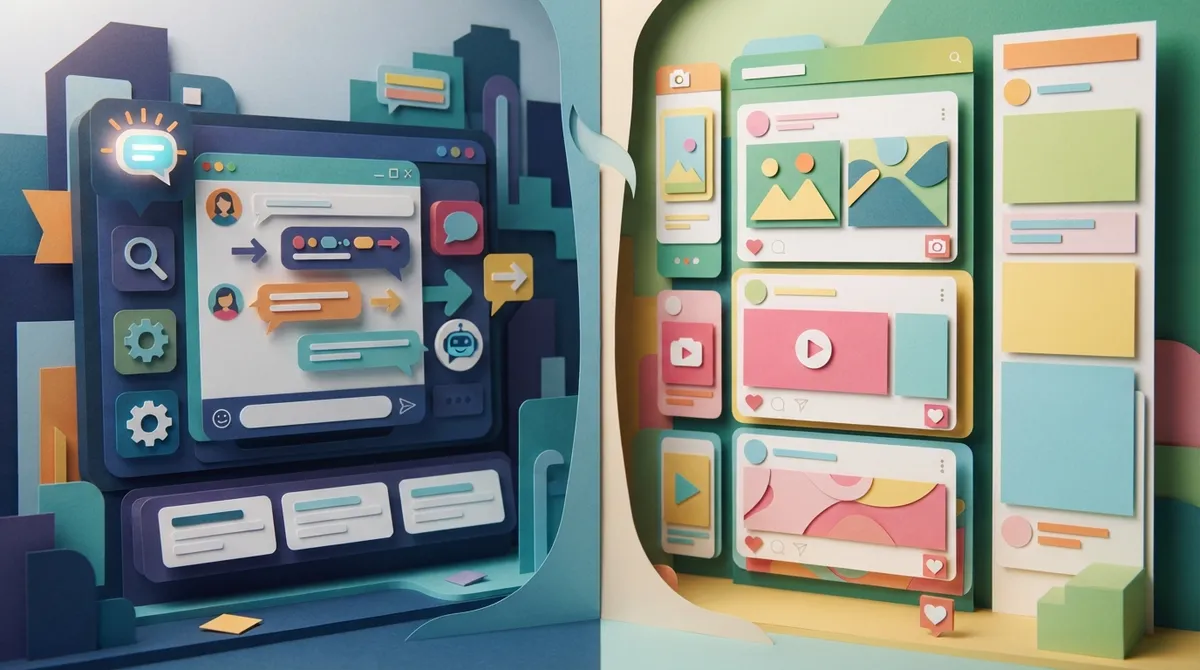
This is the biggest difference between the two. ChatGPT ads appear inside a conversation. A person types a question, gets an answer, and may see a sponsored suggestion that fits what they asked.
Meta ads show up in feeds, stories, reels, and messages. People see them while catching up with friends or watching short videos. The ad interrupts their scroll instead of answering a question.
Neither is better in every case. They simply meet people in two very different places.
2. The Mindset of the Person Seeing It
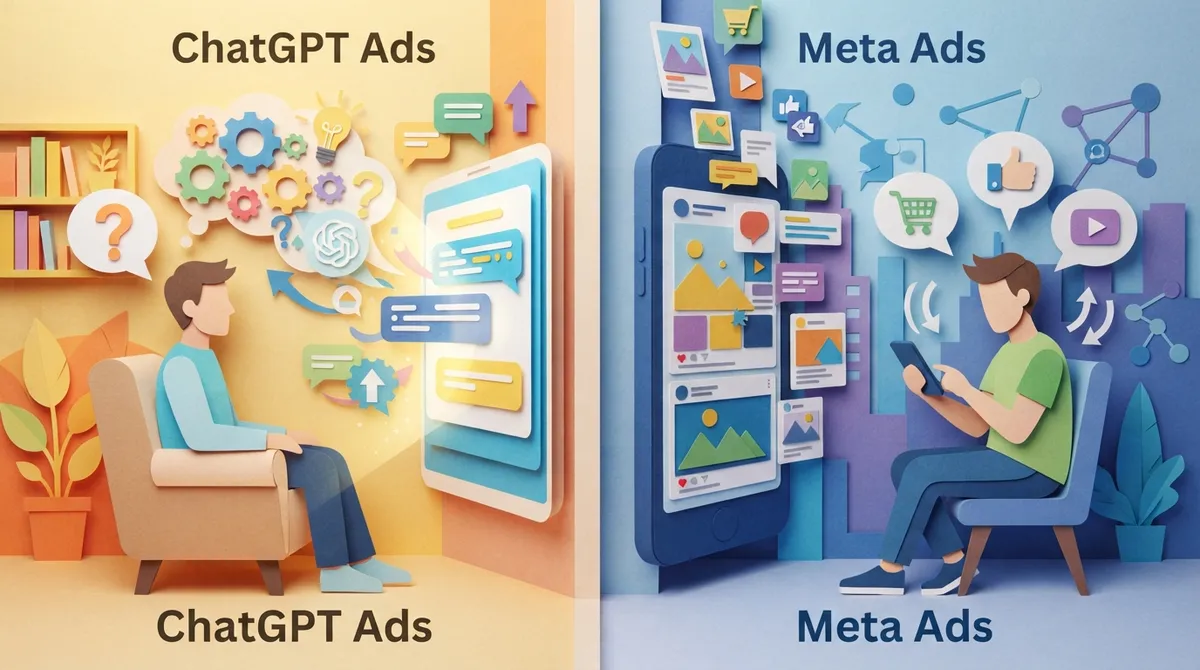
Someone using ChatGPT is usually trying to solve a problem. They might be comparing options, planning a purchase, or looking for a local service. That is a high-intent moment.
Someone on Instagram or Facebook is often in “discovery mode.” They did not come looking for your product. But a great ad can still spark interest and turn a casual scroller into a customer.
- ChatGPT: Intent-driven, question-first
- Meta: Interest-driven, scroll-first
3. How Targeting Works
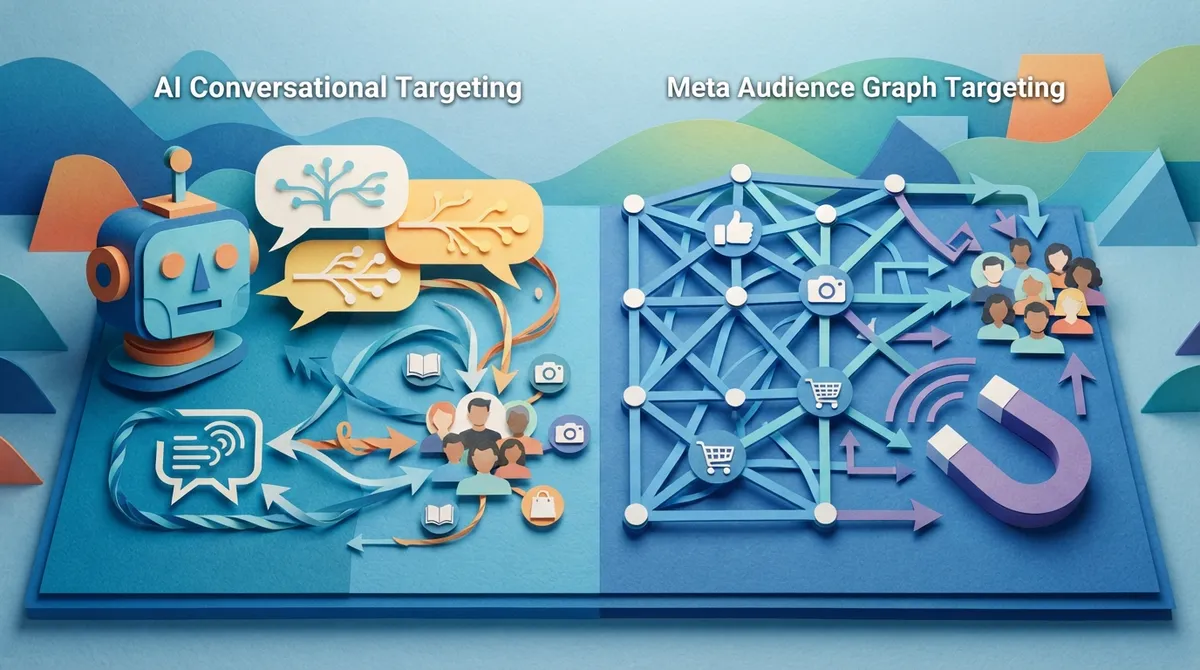
Meta is famous for deep targeting. You can build audiences by age, location, interests, job titles, behaviors, and even lookalikes of your best customers. You can also retarget people who visited your website.
ChatGPT ads lean on the context of the conversation. Instead of targeting a person’s profile, you target what they are talking about and what they need right now. Location and device targeting are also available.
In simple terms: Meta targets who someone is. ChatGPT targets what someone wants.
4. Ad Formats and Creative Needs
Meta ads reward strong visuals. You need eye-catching images, short videos, and clear branding. That means more creative work, but it also gives you room to tell a story.
ChatGPT ads are mostly text-based. You write a clear headline and a helpful description. There is less pressure to produce fancy videos, which can be a relief for small teams with tight budgets.
If you love visual storytelling, Meta is your playground. If you are better with words and clear offers, ChatGPT may feel easier.
5. Cost and Budget Expectations
Budgets work differently on each platform. Meta lets you start small, often with just a few dollars a day, which makes it very beginner friendly. Costs vary widely based on your audience and competition.
ChatGPT advertising currently asks for a higher minimum commitment. At Brain Buzz Marketing, we manage ChatGPT ads for $250 per month plus a $250 one-time setup fee, and the ad spend itself is a minimum of $750 per month paid directly to the platform.
Here is a simple side-by-side look at budget thinking:
| Budget Factor | ChatGPT Ads | Meta Ads |
|---|---|---|
| Entry barrier | Higher minimum monthly spend | Very low, start with a few dollars a day |
| Best for | Businesses ready to invest in high-intent leads | Businesses testing and scaling gradually |
| Learning curve | New, fewer public benchmarks | Lots of data and examples available |
Want to plan your numbers? Our marketing spend calculator can help you map out a smart starting point.
6. Lead Quality vs Lead Volume
Because ChatGPT users are asking direct questions, leads often arrive further along in their decision. You may see fewer clicks, but those clicks can be warmer.
Meta can deliver a larger volume of traffic at a lower cost per click. Many of those people are still just browsing, so you may need follow-up, retargeting, or email nurturing to close the sale.
A helpful way to think about it:
- Use Meta to build awareness and fill the top of your funnel.
- Use ChatGPT ads to catch people when they are ready to decide.
- Use retargeting and good content to connect the two.
7. Maturity, Data, and Reliability
Meta ads have years of testing behind them. The reporting is detailed, the tools are polished, and you can find countless case studies. If something goes wrong, there is a huge community ready to help.
ChatGPT ads are still new. Features, rules, and reporting options are changing as the platform grows. That can be exciting, since early adopters often get an edge, but it also means a bit more patience is needed. For a deeper look, check out our guide on how to start advertising on ChatGPT in 2026.
8. Best Fit by Business Type
Different businesses win in different places. Here is a friendly cheat sheet to help you see where you might fit:
- Local service providers: ChatGPT ads can catch people asking for “best near me” help, while Meta is great for staying top of mind with neighbors.
- E-commerce retailers: Meta shines with visual product ads and retargeting. ChatGPT can help when shoppers ask for product recommendations.
- Startups: Meta lets you test cheaply and learn fast. ChatGPT may help you reach high-intent buyers once you have a clear offer.
- Growing companies: A mix of both often works best as you scale lead generation.
If you are a Tampa Bay business, our team at Brain Buzz Marketing helps companies across Brandon, Riverview, Tampa, and beyond choose the right mix. You can learn more about our approach on our digital marketing services page.
9. The Role of Your Website
Here is something many people miss. No matter which platform you pick, your website does the final selling. A great ad that lands on a slow or confusing page wastes money.
ChatGPT visitors tend to arrive with a specific question in mind. Your landing page should answer that question quickly. Meta visitors may need a bit more warming up, so strong visuals, social proof, and a clear offer help a lot.
If your site needs a refresh, a conversion-focused website design can make every ad dollar go further.
10. Tracking and Reporting
Meta gives you detailed dashboards, pixel tracking, and conversion events. You can see which creative works, which audience converts, and where to cut waste.
ChatGPT ad reporting is newer, so it pays to set up your own tracking. Connecting Google Analytics, using call tracking, and watching your landing page behavior will give you a clearer picture. Good tracking is the secret to knowing what is truly working. Learn more in our post on how to measure ChatGPT ad performance in 2026.
11. How They Fit Into Your Bigger Strategy
Here is the friendly truth: you do not always have to pick just one. Paid ads work best as part of a bigger plan that also includes SEO, content, and a strong website. AI search is changing how people find businesses, so showing up in both ads and organic AI answers is a smart move.
Many of our clients pair paid ads with SEO and Google Ads so they are visible at every step. If you want to see how paid search compares, our guide on ChatGPT ads vs. Google Ads is a great next read.
How to Choose Between ChatGPT Ads and Meta Ads
Still on the fence? Walk through these simple steps:
- Define your goal. Are you building awareness or capturing ready-to-buy customers?
- Check your budget. Meta is easier to start small. ChatGPT needs a larger monthly commitment.
- Look at your creative skills. Strong visuals favor Meta. Strong copy favors ChatGPT.
- Review your website. Make sure your landing pages are ready to convert.
- Start with a test. Run a small, tracked campaign and let the data guide you.
You can also see how real customers feel about working with us on our testimonials page, or read reviews and visit us on Google — Brain Buzz Marketing.
Final Thoughts
There is no single winner in the chatgpt ads vs meta ads debate. Meta ads give you reach, visuals, and powerful audience tools at a flexible cost. ChatGPT ads give you a front-row seat at the exact moment someone asks for help. Each has a role to play.
The best move is to match the platform to your goal, your budget, and your customer. And if you want expert hands to guide you, that is exactly what we love to do. Brain Buzz Marketing is a small but mighty team led by Eric and Nicole, with experience dating back to 1998. We keep things simple, affordable, and focused on results. Want to see more about who we are? Visit about Brain Buzz Marketing, or follow along on Instagram for fresh tips.
Ready to figure out your best ad mix? Get in touch with our team and let’s build a plan that grows your business. You can also connect with Eric on LinkedIn to say hello.
FAQs
Q: Are ChatGPT ads better than Meta ads?
A: Neither is better for everyone, and that is okay! ChatGPT ads shine when people are asking questions and ready to act, while Meta ads are great for building awareness and reaching a wide audience. Many businesses get the best results by using both.
Q: How much do ChatGPT ads cost compared to Meta ads?
A: Meta ads are easy to start small, sometimes with just a few dollars a day. ChatGPT ads currently require a higher monthly ad spend, with a minimum of $750 per month paid to the platform. At Brain Buzz Marketing, management is $250 per month plus a $250 one-time setup fee.
Q: Which platform is best for small businesses?
A: Small businesses often like Meta ads because the entry cost is low and testing is simple. If you want to reach high-intent buyers and can handle a larger monthly budget, ChatGPT ads are worth a look. A short test campaign on either one will show you what works.
Q: Can I run ChatGPT ads and Meta ads at the same time?
A: Absolutely! Running both lets you catch people while they browse and again when they are ready to decide. Just make sure your tracking is set up so you can see which platform drives the best results.
Our Service Area