11 Ways Reviews Shape Your Google Maps Rankings
See how do reviews influence 11 key ranking factors on Google Maps and start climbing local search results today.

Key Takeaways
-
Review quantity and recency are critical ranking factors—businesses with steady, consistent review growth outrank competitors with stagnant profiles, as Google favors ongoing customer engagement signals.
-
Higher star ratings directly increase click-through rates from search results, and Google rewards clicks that satisfy search intent by boosting your ranking position in the local pack.
-
Review velocity (how quickly you gain reviews monthly) matters more than total count—consistently earning 10 reviews per month outranks a competitor earning only 1, even if they have more total reviews.
-
Keyword-rich reviews that mention specific services improve relevance matching; encouraging detailed feedback by asking about specific services yields better SEO results than generic praise.
-
Responding to all reviews within 48 hours signals active engagement to Google and builds trust with potential customers, positively influencing your local pack rankings and reputation.
-
A natural mix of 4-5 star ratings looks more authentic than perfect reviews; negative reviews handled professionally can become trust-building moments that don't harm your rankings.
Ever wonder why your competitor’s coffee shop shows up first on Google Maps, even though your shop makes better lattes? The answer usually comes down to one thing: reviews. If you’ve been asking yourself how do reviews affect Google Maps rankings, you’re already ahead of most small business owners who never even think about it.
At Brain Buzz Marketing, we’ve watched Google reward businesses with strong review profiles time and time again. This guide breaks down exactly what’s happening behind the scenes. We’ll show you 11 clear ways reviews influence your local search visibility, plus simple steps you can take today. Whether you run a local service business in Tampa or manage marketing for a growing e-commerce brand, this information can help you show up where customers are searching.

1. Review Quantity Signals Trust to Google
Google wants to show searchers businesses that people actually trust. The number of reviews you have tells Google a lot about your credibility. A business with 200 reviews looks more established than one with only 5.
This doesn’t mean you need thousands of reviews overnight. Steady, consistent growth looks more natural than a sudden flood of reviews. Google’s algorithms are smart enough to notice unnatural patterns, so slow and steady wins here.
2. Review Recency Matters More Than You Think
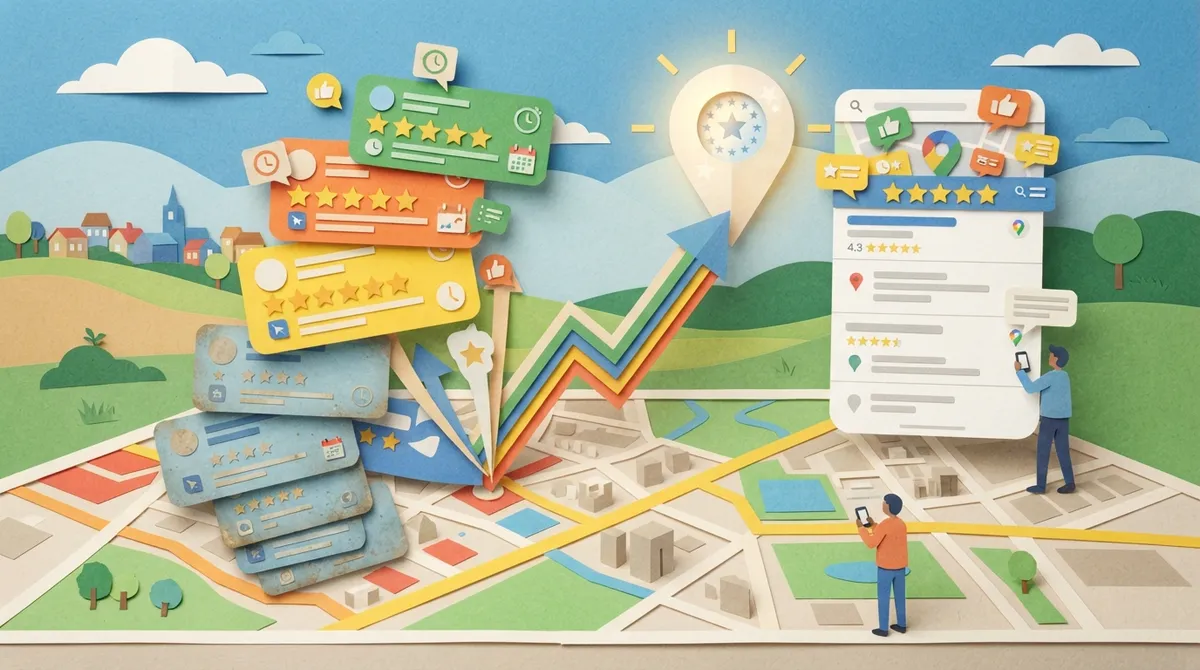
Old reviews lose their power over time. Google favors businesses that keep earning fresh feedback. A business with 50 reviews from last year but nothing recent may rank lower than a competitor with 20 reviews from the past month.
This is why review generation should be an ongoing habit, not a one-time push. Think of it like watering a plant. You can’t do it once and expect it to thrive forever.
3. Star Ratings Directly Impact Click-Through Rates
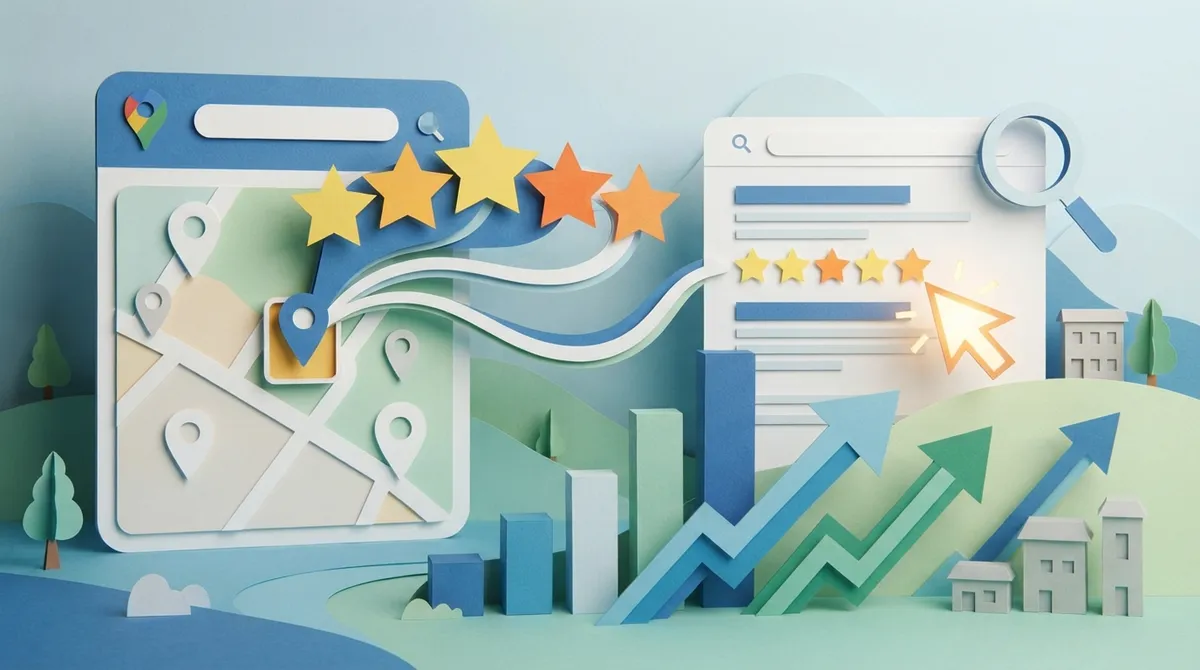
Your average star rating is one of the first things people see. A 4.8-star rating with hundreds of reviews stands out compared to a 3.2-star rating. Higher ratings lead to more clicks, and more clicks send positive signals back to Google.
Google notices when people click on your listing and then stop searching. That behavior tells Google you satisfied the search intent, which can boost your ranking over time.
4. Keyword-Rich Reviews Help With Relevance
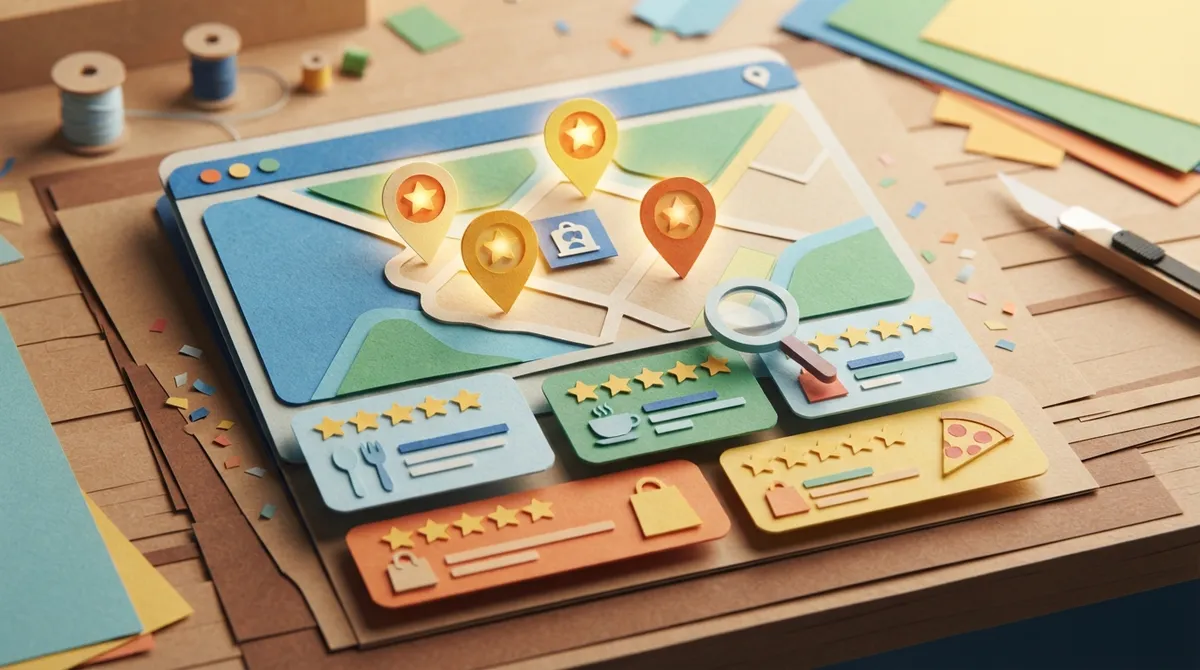
When customers mention specific services or products in their reviews, it helps Google understand what your business actually offers. A review that says “best AC repair in Brandon” does more for your local SEO than a generic “great service!”
You can’t control exactly what people write, but you can gently encourage detailed feedback. Simply asking “What did you think about our [specific service]?” often leads to more descriptive responses.
| Review Factor | Impact on Ranking | Why It Matters |
|---|---|---|
| Review Quantity | High | Builds trust and authority signals |
| Review Recency | High | Shows ongoing customer satisfaction |
| Star Rating Average | Medium-High | Drives click-through rates |
| Keyword Mentions | Medium | Improves relevance matching |
| Owner Responses | Medium | Shows active engagement |
| Review Diversity | Medium | Signals authentic feedback |
5. Responding to Reviews Boosts Engagement Signals
Google Business Profile tracks how often you respond to reviews. Businesses that reply to both positive and negative feedback show they’re active and engaged. This engagement can positively influence your local pack rankings.
Take a few minutes each week to thank happy customers and address concerns from unhappy ones. This small habit builds a stronger online reputation over time. Our SEO team often helps clients build simple review response templates that still feel personal.
6. Negative Reviews Aren’t Always a Bad Sign
Here’s some good news: a few negative reviews won’t destroy your rankings. In fact, having only 5-star reviews can look suspicious to both Google and potential customers. A natural mix of ratings feels more authentic.
What matters most is how you handle the negative feedback. A thoughtful, professional response can actually turn a bad review into a trust-building moment for future customers.
7. Review Velocity Affects Your Ranking Trajectory
Review velocity means how quickly you’re gaining new reviews compared to competitors. If your competitor is earning 10 new reviews a month and you’re only getting 1, they may start to outrank you in the map pack.
Here are simple ways to increase your review velocity without feeling pushy:
- Send a follow-up text or email after every completed service
- Add a QR code to receipts or invoices linking straight to your review page
- Train staff to mention reviews naturally at the end of interactions
- Make the review process as short as possible, ideally just a few taps
8. Reviews Across Multiple Platforms Add Credibility
While Google reviews matter most for Google Maps rankings, having reviews on other platforms also helps. Google’s algorithm looks at your overall online reputation, not just what’s on your Google Business Profile.
Consider building a presence on industry-specific review sites too. This diversified approach signals to Google that real people across the internet trust your business.
9. Photos Attached to Reviews Increase Engagement
Reviews that include photos tend to get more attention from both Google and potential customers. When customers upload pictures of your product, service, or location, it adds a layer of authenticity that text alone can’t provide.
You can encourage this by asking satisfied customers to snap a quick photo when leaving their review. Restaurants, retail stores, and service businesses all benefit from this visual proof.
10. Review Consistency Across Locations Matters for Multi-Location Businesses
If you manage multiple business locations, each one needs its own steady stream of reviews. Google evaluates each location’s Google Business Profile separately. One thriving location with hundreds of reviews won’t help a struggling sister location rank higher.
Local service providers with multiple service areas should treat each location as its own mini marketing project. This is an area where local SEO services can really simplify the workload.
11. Reviews Feed Into the Bigger Picture of Local SEO
Reviews don’t work alone. They’re one piece of a much larger local SEO puzzle that includes your website, citations, and Google Business Profile completeness. Understanding what local search engine optimization actually involves helps you see how reviews connect to everything else.
Think of reviews as fuel for an engine that also needs a solid website, accurate business information, and helpful content. Without the other pieces working together, reviews alone won’t get you to the top of the map pack.
Simple Steps to Start Improving Your Review Strategy Today
Ready to put this knowledge into action? Here’s a straightforward process you can follow:
- Audit your current Google Business Profile and count your existing reviews
- Set a monthly goal for new reviews based on your industry average
- Create a simple follow-up system using email or text automation
- Respond to every review within 48 hours, positive or negative
- Track your star rating and review count monthly to spot trends
Many business owners feel overwhelmed trying to manage this alongside running their actual business. That’s completely understandable. This is exactly the kind of work our digital marketing services team handles every day for clients across Tampa, Brandon, Riverview, and beyond.
Why Reviews Matter More Than Ever in 2026
Search behavior keeps changing. With more people using voice search and AI-powered tools to find local businesses, reviews are becoming even more important. Google’s systems increasingly rely on review content to answer specific customer questions, which ties directly into answer engine optimization strategies that forward-thinking businesses are adopting now.
According to Google’s own Business Profile guidelines, businesses with complete, active profiles including regular reviews tend to perform better in local search results. This isn’t a secret formula. It’s simply how Google rewards businesses that genuinely engage with their customers.
If you want to see how a well-managed local presence looks in practice, feel free to visit us on Google — Brain Buzz Marketing and see what our clients and community have to say. We practice what we preach here in Tampa.
Common Mistakes That Hurt Your Review Strategy
Even well-meaning business owners make mistakes that slow down their progress. Here are the most common ones we see:
- Buying fake reviews, which violates Google’s policies and can get your profile suspended
- Ignoring negative reviews instead of responding professionally
- Only asking happy customers for reviews while ignoring everyone else
- Forgetting to update your Google Business Profile with current photos and information
- Not tracking which marketing efforts actually generate the most reviews
Avoiding these pitfalls puts you ahead of many competitors who are still making these errors. For a deeper look at what else might be holding your local visibility back, check out our post on common local SEO mistakes costing businesses customers.
How Brain Buzz Marketing Can Help
Since 1998, our team has helped businesses build stronger online reputations that actually translate into more phone calls and foot traffic. Eric and Nicole run a lean, focused agency that puts real attention into every client’s Google Business Profile strategy. You can learn more about Brain Buzz Marketing and our approach to local search.
We combine review generation strategies with technical SEO, content writing, and website design to create a complete local marketing system. This isn’t a one-size-fits-all approach. Every business we work with gets a strategy built around their specific goals and market.
You can also follow our team’s updates and behind-the-scenes marketing tips on Instagram, or connect with our founders directly. Follow Eric on LinkedIn for industry insights, and follow Nicole on LinkedIn for her take on small business growth strategies.
For businesses looking to automate parts of their content strategy while still maintaining quality, tools like SEO Rocket can help scale blog content that supports your overall SEO efforts.
Ready to Take Control of Your Google Maps Rankings?
Reviews aren’t just nice compliments from happy customers. They’re a powerful ranking factor that can make or break your visibility on Google Maps. The businesses that treat review management as a priority consistently outrank those that ignore it.
You don’t have to figure this out alone. Our team has decades of combined experience helping small and medium-sized businesses across Tampa, St. Pete, Clearwater, and beyond climb the local rankings. If you’re ready to build a review strategy that actually moves the needle, reach out to our team today and let’s talk about your goals.
FAQs
Q: How many Google reviews do I need to rank well on Google Maps?
A: There’s no magic number, but businesses with 50+ reviews and a steady growth pattern tend to perform better than those with just a handful. It’s less about hitting a specific count and more about consistent, ongoing review generation over time.
Q: Do negative reviews hurt my Google Maps ranking?
A: A few negative reviews won’t tank your rankings, and honestly, an all-perfect rating can look suspicious! What matters most is your overall rating trend and how professionally you respond to any criticism.
Q: How quickly do new reviews impact my ranking?
A: Google typically updates ranking signals within days to a few weeks after new reviews come in, though the exact timeline varies. Consistent review activity tends to show results faster than sporadic bursts.
Q: Can I ask customers to leave reviews?
A: Absolutely! Asking for reviews is completely fine and encouraged, as long as you’re not offering incentives or only asking happy customers. A simple, genuine request after a good experience works wonders.
Q: Does responding to reviews actually help my rankings?
A: Yes, responding to reviews shows Google that your business is active and engaged with customers. It also builds trust with future customers who read your thoughtful replies before choosing your business.
Our Service Area