6 ChatGPT Shopping Ads Strategies That Win Sales (2026)
Discover 6 ChatGPT shopping ads strategies for 2026. Learn feeds, budgets, and tracking tips to turn chat shoppers into buyers.

Key Takeaways
-
Build a clean, complete product feed with clear titles, accurate pricing, live stock status, high-quality images, and filled-in attributes, since messy data limits how well ads match shopper questions.
-
Write ad copy that answers full questions instead of short keywords, such as "Waterproof hiking boots built for wet trails and wide feet" rather than "Buy Hiking Boots."
-
Group campaigns by buyer intent stage (exploring, comparing, ready to buy) and tailor each message to fit that moment.
-
Send ad clicks to fast, mobile-friendly landing pages that repeat the ad's promise and show clear pricing, shipping details, and trust signals like reviews.
-
Start small with 3 to 5 proven sellers, test one change at a time, and scale only once cost per sale looks healthy; the platform currently requires a $750 monthly minimum spend.
-
Track click-through rate, conversion rate, cost per sale, and return on ad spend, and connect your ad platform to Google Analytics to follow shoppers from click to order.
Imagine a shopper typing, “What are the best running shoes for flat feet under $120?” into ChatGPT. Instead of scrolling through ten blue links, they get a helpful answer with product suggestions right in the chat. That is the new reality of buying online, and it is changing how smart businesses think about advertising. If you sell products online, ChatGPT shopping ads are quickly becoming a channel you cannot ignore in 2026.
Here is the good news. You do not need a giant budget or a huge team to get started. You just need a clear plan, a solid product feed, and a website that makes buying easy. Whether you run a small online store, a growing e-commerce brand, or a brand-new startup, this guide walks you through six practical strategies that can help you show up where shoppers are already asking questions.
We will keep it friendly and simple. Grab a coffee, and let’s dig in. At Brain Buzz Marketing, we have been helping businesses grow online since 1998, so we have seen plenty of ad platforms come and go. This one is worth your attention.
What Are ChatGPT Shopping Ads?
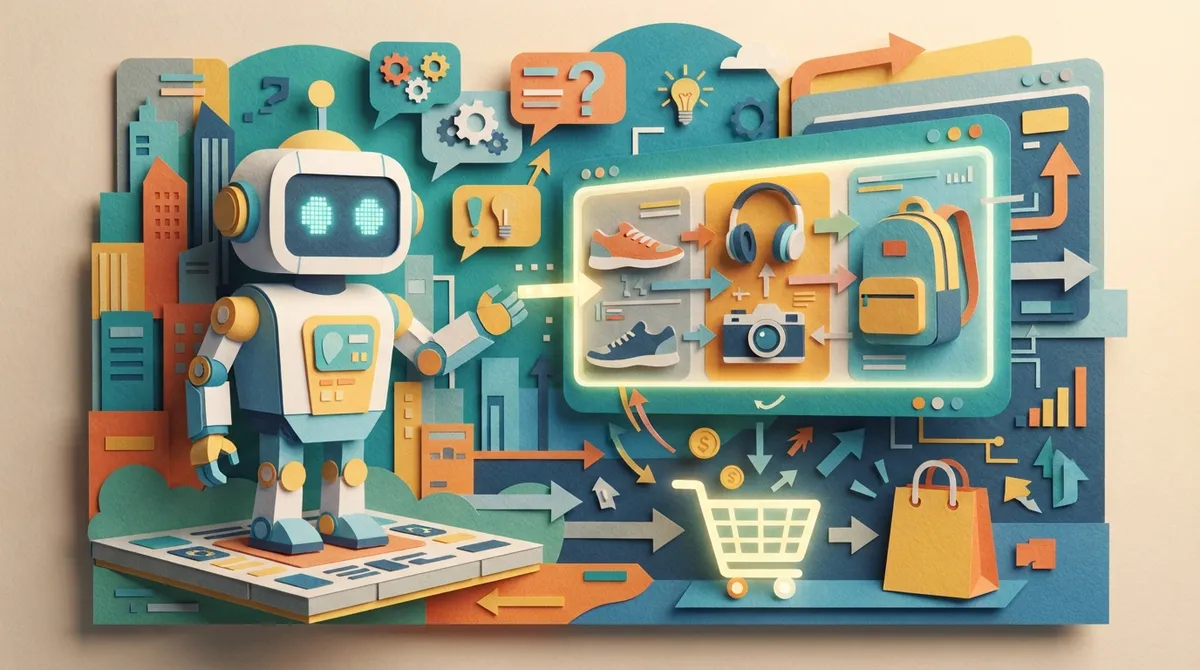
ChatGPT shopping ads are sponsored product placements that appear inside conversations when someone is researching or ready to buy. Instead of matching to a short keyword, these ads match to the intent behind a full question. The shopper explains what they need, and the ad shows up as a helpful suggestion.
Think of it as the difference between a search box and a store clerk. A search box waits for exact words. A clerk listens to the whole story and then recommends something. Conversational ads work more like the clerk.
For a deeper look at how the platform works, read our guide on how you can advertise on ChatGPT in 2026.
Why Shoppers Respond Well
- They arrive with a specific problem, so the ad feels relevant instead of random.
- The conversation builds trust before the ad appears.
- Shoppers often compare options right in the chat, which shortens the buying journey.
- Product details like price, size, and features can be shown clearly.
Strategy 1: Build a Clean, Complete Product Feed
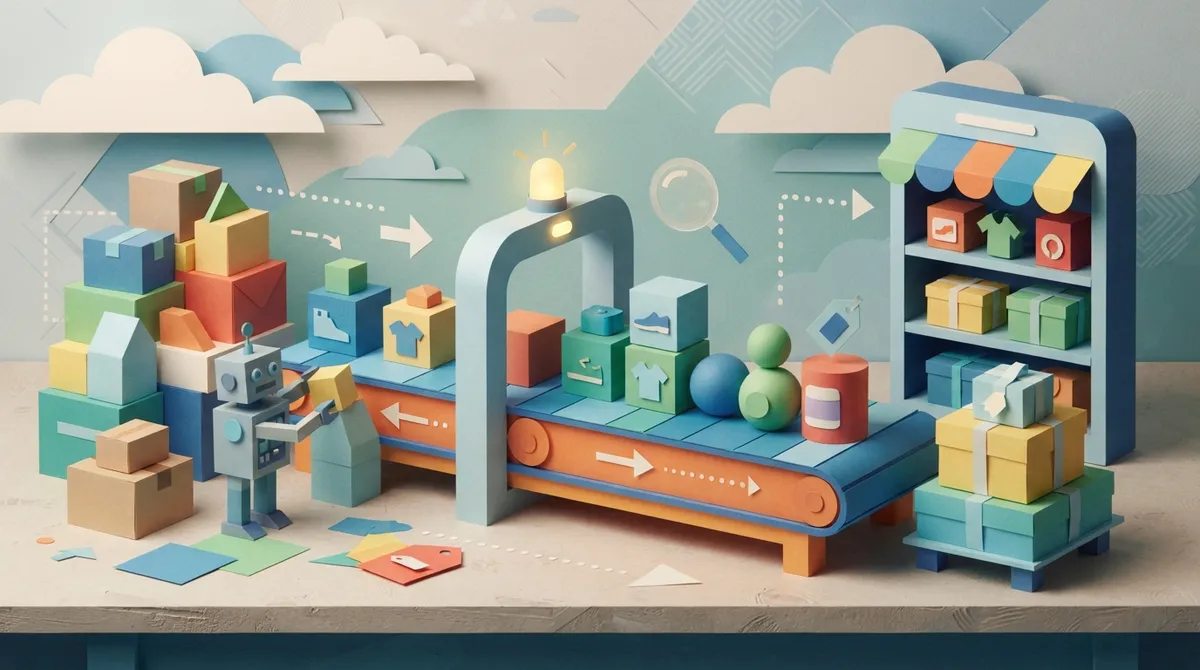
Your product feed is the engine behind ChatGPT shopping ads. If the data is messy, the ads will struggle. If it is clean and detailed, the system has everything it needs to match your product to the right question.
Start with the basics, then go deeper than most sellers do. Shoppers in a chat want specifics, so give the platform specifics.
- Write clear product titles. Include the brand, product type, key feature, and size or color.
- Add accurate pricing and availability. Out-of-stock items waste your budget.
- Use high-quality images. Bright, simple photos on clean backgrounds perform best.
- Fill in every attribute. Material, dimensions, age group, and use case all help matching.
- Update the feed often. Prices and stock change, and your ads should keep up.
A tidy feed also helps your regular search presence. Our team covers this overlap in 11 e-commerce SEO services that drive real sales in 2026.

Strategy 2: Write for Conversations, Not Keywords
Old-school ad copy is built around short phrases like “cheap running shoes.” Conversational platforms work differently. People ask full questions, so your messaging should answer full questions.
Try this exercise. Write down the ten questions your best customers ask before they buy. Then build your ad messaging around the answers.
Examples of Conversation-Friendly Messaging
- Instead of “Buy Hiking Boots,” try “Waterproof hiking boots built for wet trails and wide feet.”
- Instead of “Organic Dog Treats,” try “Grain-free dog treats made for sensitive stomachs.”
- Instead of “Office Chairs Sale,” try “Ergonomic office chairs that ease lower back pain.”
Notice how each version solves a problem. That is what gets attention in a chat. It also lines up with the thinking behind answer engine optimization, where your content aims to be the best answer to a real question.
Strategy 3: Match Ads to Buyer Intent Stages
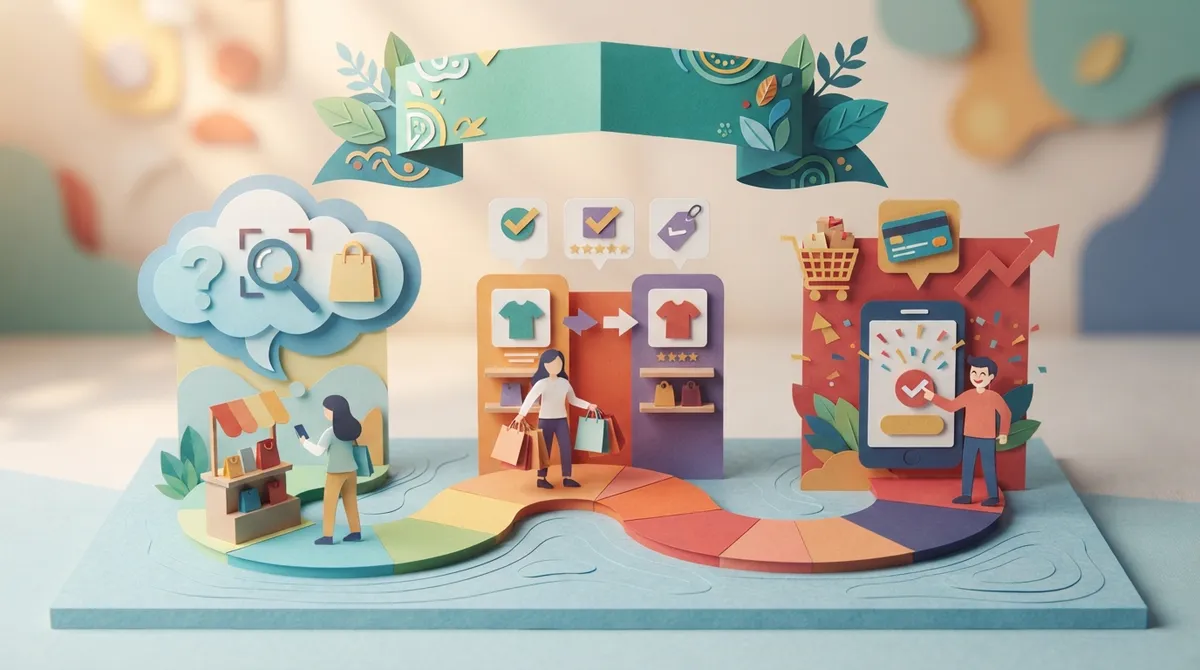
Not every shopper is ready to buy right now. Some are just exploring. Others are comparing two final options. The smartest advertisers group their ads by intent so the message fits the moment.
| Intent Stage | What the Shopper Asks | Best Ad Approach |
|---|---|---|
| Exploring | “What type of standing desk is best for small spaces?” | Educational messaging that highlights a helpful feature |
| Comparing | “Which is better, a manual or electric standing desk?” | Clear benefit comparison with price and reviews |
| Ready to Buy | “Where can I buy a quiet electric standing desk today?” | Direct offer with shipping details and a strong call to action |
Grouping your campaigns this way keeps your budget focused on the shoppers most likely to convert. It also gives you cleaner data, so you can see which stage brings in real sales.
Strategy 4: Send Shoppers to a Landing Page That Converts
Here is where many advertisers lose money. They win the click, and then the shopper lands on a slow, cluttered, or confusing page. The ad did its job, but the website dropped the ball.
Shoppers coming from a chat have already done some research. They want to confirm the details and buy. Make that simple.
Landing Page Must-Haves
- Fast load time. Every extra second costs you sales.
- Mobile-friendly design. Many chat users are on their phones.
- Matching message. The page should repeat what the ad promised.
- Clear pricing and shipping info. No surprises at checkout.
- Trust signals. Reviews, return policies, and secure payment badges help.
If your current site feels dated, it may be quietly hurting every ad dollar you spend. Our custom website design work focuses on building pages that turn visitors into buyers. You can also explore 9 must-have features for e-commerce websites in 2026 to see what a high-converting store needs.
Strategy 5: Set a Smart Budget and Test in Small Steps
One of the nicest things about a newer ad channel is that you can learn quickly without betting the farm. Start small, watch the numbers, and grow what works.
It helps to know the basic costs. Brain Buzz Marketing offers ChatGPT ads management at $250 per month plus a $250 one-time setup fee. The platform itself currently asks for a minimum ad spend of $750 per month, paid directly to them. Plan your budget with both pieces in mind.
- Pick your top sellers. Start with three to five products that already sell well elsewhere.
- Run for at least a few weeks. Early data can be noisy, so give it time.
- Test one change at a time. Try a new headline or image, then compare results.
- Cut what does not work. Move budget to the products that bring real sales.
- Scale gradually. Increase spend once your cost per sale looks healthy.
If you are comparing this channel to search ads, our post on ChatGPT ads vs. Google Ads breaks down how the two stack up. For help planning your overall spend, try our marketing spend calculator.
Strategy 6: Track Results and Connect Your Data
You cannot improve what you do not measure. Good tracking tells you which products, messages, and audiences actually make money, so you stop guessing.
Key Numbers to Watch
- Click-through rate: Shows whether your messaging grabs attention.
- Conversion rate: Shows whether your landing page closes the sale.
- Cost per sale: Shows whether the channel is profitable.
- Return on ad spend: Shows the revenue earned for each dollar spent.
Connect your ad platform to Google Analytics so you can follow shoppers from the first click to the final order. With that full picture, you can spot patterns, like which product categories convert best or which times of day bring the most buyers. Our guide on analytics and reporting shows how to turn raw numbers into smart decisions.
ChatGPT Shopping Ads Compared to Other Ad Channels
It helps to see where this channel fits next to the ones you may already use. Each has its own strengths, and most growing businesses end up using more than one.
| Channel | How Shoppers Find You | Best For |
|---|---|---|
| ChatGPT Shopping Ads | Conversational questions and research | Products that need explaining or comparing |
| Google Ads | Search phrases and product listings | High-volume, ready-to-buy traffic |
| SEO and Content | Organic search and AI answers | Long-term, lower-cost visibility |
The best approach is a blend. Paid ads bring quick visibility, while strong content and SEO build lasting trust. Pair this channel with smart AI search optimization, and you give your brand more than one way to be recommended.
Common Mistakes to Avoid
Even great strategies can fall flat if a few simple mistakes sneak in. Here are the ones we see most often.
- Sloppy product data. Missing details make it hard for the platform to match your items.
- Ignoring the website. A weak landing page wastes every click you pay for.
- Setting it and forgetting it. Ads need regular checks and tweaks.
- Targeting too broadly. Focused campaigns beat scattered ones almost every time.
- Skipping policy checks. Make sure your products and claims meet the platform’s ad rules.
Fixing even two or three of these can noticeably improve your results. If you want a second set of eyes, you can book a free strategy call with our team.
Is This Channel Right for Your Business?
ChatGPT shopping ads tend to work best for products that people research before buying. Think electronics, home goods, fitness gear, beauty items, pet supplies, and specialty tools. If your customers ask lots of questions before checking out, this channel is worth a test.
It may be a weaker fit if you sell very low-cost impulse items or products with tight margins that cannot absorb a testing budget. In that case, start with search and SEO first, then add conversational ads later.
Wherever you land, remember that you are not alone. Brain Buzz Marketing is a small but mighty, husband-and-wife-run agency that works 100% virtually with clients across Florida and the United States. See what customers say about us on Google, or follow along on Instagram for more marketing tips.
Ready to Put ChatGPT Shopping Ads to Work?
The shift toward conversational shopping is not a passing trend. People are asking AI for product help every day, and the brands that show up with clear, helpful ads will win those customers. The six strategies above give you a simple roadmap: build a clean feed, write for real questions, match intent, fix your landing pages, test with a smart budget, and track everything.
You do not have to figure it all out alone. Whether you need a faster website, better ad management, or a full plan to grow your store, our team is happy to help. Contact us today to talk through your goals, and let’s build a plan that turns curious shoppers into happy customers.
FAQs
Q: What are ChatGPT shopping ads?
A: ChatGPT shopping ads are sponsored product placements that show up inside chat conversations when someone is researching or ready to buy. They match to the full intent of a question instead of just a short keyword, which makes them feel more like a helpful recommendation.
Q: How much do ChatGPT shopping ads cost?
A: The platform currently asks for a minimum ad spend of $750 per month, paid directly to them. If you work with Brain Buzz Marketing, management runs $250 per month plus a $250 one-time setup fee, so you can plan your budget with confidence.
Q: Do ChatGPT shopping ads replace Google Ads?
A: Not at all! They work best as a partner to search ads, not a replacement. Google Ads captures high-volume search traffic, while conversational ads reach shoppers who are still researching and comparing, so many businesses use both.
Q: What kind of businesses benefit most from ChatGPT shopping ads?
A: Online stores that sell products shoppers research before buying tend to see the best results. Think electronics, home goods, fitness gear, beauty items, and specialty tools. If your customers ask lots of questions before checking out, this channel is a great one to test.
Our Service Area