6 Website Design and Development Wins for 2026
Boost speed, SEO, and conversions in 2026 with 6 website design and development wins built for small business success.

Key Takeaways
-
Mobile-first responsive design is now essential baseline, not optional—more than half of web traffic comes from mobile devices, and Google prioritizes mobile-performing sites in search rankings.
-
Page load speed directly impacts conversions; even one-second delays reduce conversions significantly, so optimize images, use reliable hosting, and eliminate speed killers like unoptimized images and excessive plugins.
-
SEO must be built into website structure from launch with proper heading hierarchy, clean URLs, fast pages, and schema markup—retrofitting SEO after development costs significantly more and delivers weaker results.
-
Content must persuade and convert by addressing customer pain points with benefit-focused copy, trust signals, and clear calls-to-action, while also optimizing for emerging AI-driven search results.
-
Intuitive user experience with streamlined navigation, sticky headers, breadcrumbs, and prominent contact information reduces bounce rates and friction between visitor interest and action.
-
Ongoing maintenance including monthly software updates, quarterly performance monitoring, and regular analytics review keeps sites secure, fast, and competitive—neglected websites become slow and outdated within one year.
Your website is often the first impression a customer forms of your business. If it loads slowly, looks outdated, or confuses visitors, they leave within seconds. Strong website design and development combines visual appeal with technical performance, turning casual browsers into paying customers.
For small business owners, startups, and marketing managers alike, understanding what makes a website actually work can save thousands of dollars and countless hours of frustration. This guide breaks down six proven strategies that drive real results in 2026, based on current best practices in the digital marketing industry. Whether you run an e-commerce shop or a local service business, these insights will help you build a site that attracts visitors and converts them into clients.

Why Website Design and Development Matters More Than Ever
Search engines and users both judge websites on speed, usability, and relevance. Google now factors page experience directly into rankings, meaning poor design can hurt your visibility before a customer even sees your homepage. A well-built site also supports your broader digital marketing services by giving your SEO, ads, and content a strong foundation to perform on.
According to Google E-E-A-T guidelines, trustworthiness and expertise are ranking factors that extend to how your website is built and presented. A cluttered, slow, or confusing site signals low quality to both users and search algorithms.
The Real Cost of a Poor Website
Many business owners underestimate how much a bad website costs them. Consider these common consequences:
- Higher bounce rates as visitors leave within seconds
- Lost sales from confusing checkout processes
- Lower search rankings due to slow load times
- Damaged brand reputation from outdated design
- Wasted ad spend when landing pages fail to convert

1. Mobile-First Responsive Design
More than half of all web traffic now comes from mobile devices. A responsive website automatically adjusts to fit any screen size, from smartphones to desktop monitors. This is no longer optional; it is the baseline expectation for every business website.
Mobile-first design also improves your search rankings, since search engines prioritize sites that perform well on phones. Businesses investing in website design should insist on mobile testing before launch, not as an afterthought.
Key Elements of Mobile-Friendly Sites
- Fast-loading images optimized for smaller screens
- Easy-to-tap buttons and navigation menus
- Readable text without zooming
- Simplified forms for quick data entry
- Click-to-call buttons for local service providers

2. Fast Loading Speed and Technical Performance
Speed directly affects conversions. Studies consistently show that even a one-second delay in load time can reduce conversions significantly. Slow websites frustrate visitors and increase the chance they abandon your site for good.
Technical performance depends heavily on where your site is hosted. Reliable WordPress hosting ensures your site stays fast, secure, and available even during traffic spikes. E-commerce retailers especially need dependable hosting since downtime during sales events can mean lost revenue.
Common Speed Killers to Avoid
- Unoptimized, oversized images
- Too many plugins running simultaneously
- Outdated hosting infrastructure
- Excessive third-party scripts and trackers
- Bloated code from poorly built themes
3. Search Engine Optimized Structure
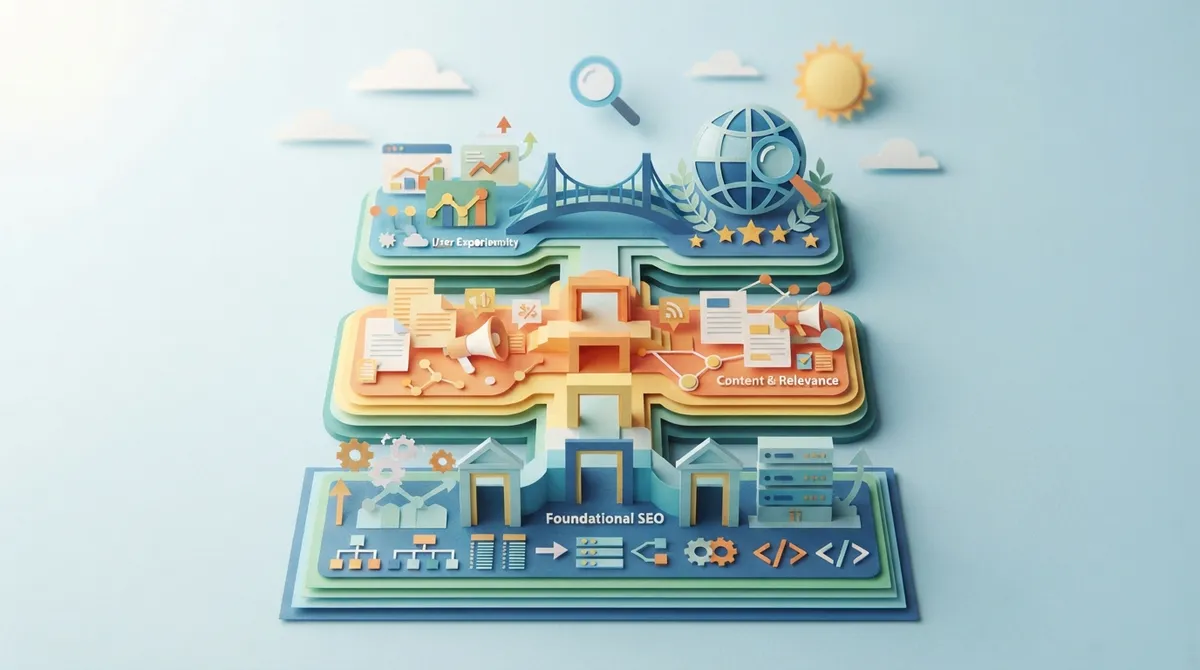
Website design and development must work hand in hand with SEO. A beautiful site that search engines cannot crawl properly will never reach its full potential. Proper site structure, clean URLs, and organized navigation help search engines understand and rank your pages.
Combining strong SEO practices with your site build ensures every page is set up to attract organic traffic from day one. This includes optimized headings, meta descriptions, and internal linking structures that guide both users and search bots through your content.
SEO Foundations Every Website Needs
- Clear heading hierarchy using H1, H2, and H3 tags
- Descriptive, keyword-rich page titles
- Fast-loading, mobile-friendly pages
- Secure HTTPS encryption
- XML sitemaps submitted to search engines
- Schema markup for rich search results
4. Content That Converts Visitors Into Customers
Great design without great content falls flat. Every page needs clear, persuasive copy that answers visitor questions and guides them toward taking action. This is where keyword-targeted content becomes essential to your overall strategy.
Professional content writing services ensure your website speaks directly to your target audience while incorporating the search terms your customers actually use. Startups and marketing managers benefit from content that balances brand voice with search visibility.
Modern content strategy also extends beyond traditional search engines. Businesses now need to consider Generative Engine Optimization and Answer Engine Optimization to ensure their brand appears in AI-driven search results and large language model responses. This forward-thinking approach positions your website for the future of search, not just today’s algorithms.
Elements of High-Converting Web Copy
- Clear headlines that address customer pain points
- Benefit-focused descriptions rather than feature lists
- Trust signals like testimonials and certifications
- Strong, visible calls-to-action on every page
- Concise paragraphs that respect the reader’s time
5. Strategic User Experience and Navigation
User experience determines whether visitors stay or leave. Confusing menus, buried contact information, and cluttered layouts push potential customers away before they ever see your offer. Every click should feel intuitive and purposeful.
Local service providers particularly benefit from streamlined navigation that puts location, contact details, and service areas front and center. This transparency builds trust and reduces friction between interest and action.
Best Practices for Site Navigation
| Navigation Element | Purpose | Impact on Conversions |
|---|---|---|
| Sticky header menu | Keeps navigation accessible while scrolling | Reduces bounce rate |
| Breadcrumb trails | Shows users their location within the site | Improves usability on larger sites |
| Clear call-to-action buttons | Guides visitors toward desired actions | Increases conversion rate |
| Search functionality | Helps users find specific content quickly | Reduces frustration and exit rate |
| Footer with key links | Provides secondary navigation options | Supports internal linking and SEO |
6. Ongoing Maintenance and Analytics Tracking
Launching a website is just the beginning. Regular updates, security patches, and performance monitoring keep your site running smoothly and protect it from vulnerabilities. Neglected websites often become slow, insecure, and outdated within a year.
Tracking analytics helps you understand what works and what needs improvement. Reviewing visitor behavior, conversion paths, and traffic sources allows for data-driven decisions rather than guesswork. This is a critical part of any comprehensive marketing strategy.
Website Maintenance Checklist
- Update software and plugins monthly
- Back up website data regularly
- Monitor page load speeds quarterly
- Review analytics for traffic trends
- Test forms and contact functions periodically
- Audit for broken links and outdated content
Custom Design Versus Template Solutions
Many businesses face a choice between template-based builders and custom development. While templates offer lower upfront costs, they often lack flexibility, unique branding, and technical customization needed for long-term growth.
| Factor | Template Website | Custom Website |
|---|---|---|
| Brand uniqueness | Limited, shared designs | Fully tailored to your brand |
| SEO flexibility | Restricted customization | Full control over structure |
| Scalability | Difficult to expand | Built to grow with your business |
| Load speed | Often bloated with unused code | Optimized for performance |
| E-commerce features | Basic functionality | Custom shopping experiences |
Businesses serious about long-term growth typically find that custom development pays for itself through better performance and stronger conversion rates. Our team at Brain Buzz Marketing has spent decades helping Tampa-area businesses navigate this exact decision, guiding them toward solutions that fit their specific goals and budget.
How Brain Buzz Marketing Approaches Website Projects
Brain Buzz Marketing is a husband-and-wife owned agency with roots dating back to 1998, making it one of Tampa’s most experienced digital marketing teams. This small but dedicated approach means every project receives personal attention rather than being passed through layers of account managers.
The agency operates entirely online, allowing clients across Florida and beyond to collaborate efficiently without scheduling in-person meetings. This virtual model keeps overhead low, which translates into more competitive pricing without sacrificing quality. You can learn more about the team’s philosophy and history on the Our Story page or review the certifications that back their expertise.
Clients interested in seeing real feedback can review testimonials from businesses that have worked with the agency. Prospective clients can also visit us on Google to see what our Brain Buzz Marketing customers say about their experience working with the Tampa-based team.
Choosing the Right Partner for Your Website Project
Selecting a web design partner requires careful evaluation. Look beyond price and consider experience, portfolio quality, and communication style. A trustworthy partner should explain their process clearly and set realistic expectations from the start.
Questions to Ask Before Hiring a Web Developer
- How many years of experience does the team have?
- Can they show examples of similar projects?
- Do they offer ongoing support after launch?
- How do they approach SEO during the build process?
- What is their typical project timeline?
Businesses that pair strong design with strategic marketing tend to see the best results. For example, service-based companies like Segovia Orthodontics and All Trusted Lawn Care demonstrate how a well-designed website supports a professional online presence within their respective industries.
Preparing Your Business for a Website Project
Before starting any website design and development project, gather key information to streamline the process. Preparation prevents delays and ensures the final product aligns with your goals.
- Define your primary business goals for the website
- Gather branding assets like logos and color schemes
- List the core pages and services you need
- Identify your target audience and their needs
- Set a realistic budget and timeline
If your current branding needs a refresh alongside your new site, professional logo design services can ensure visual consistency across every touchpoint. A cohesive brand identity strengthens recognition and trust with potential customers.
Final Thoughts on Building a Website That Performs
Website design and development is not a one-time task. It requires ongoing attention to speed, content, user experience, and search optimization to remain competitive in 2026 and beyond. Businesses that treat their website as a living, evolving asset consistently outperform those that launch and forget.
Whether you are a startup building your first online presence or an established company overdue for a redesign, investing in professional development pays dividends through increased traffic, better conversions, and stronger brand credibility. Stay connected with industry updates by following Brain Buzz Marketing on Instagram, Facebook, or connecting with founder Eric Pulizzano on LinkedIn for ongoing marketing insights.
Ready to build a website that actually works for your business? Get in touch with our team today to discuss your project and discover how decades of experience can help your business grow online.
FAQs
Q: What is included in website design and development services?
A: Website design and development typically includes visual design, technical coding, mobile responsiveness, SEO structure, and content integration. A complete package also covers hosting setup, security features, and ongoing maintenance to keep the site running smoothly.
Q: How long does it take to build a professional website?
A: Most professional websites take between four to eight weeks to complete, depending on complexity and page count. Custom e-commerce sites or those with advanced features may require additional time for testing and integration.
Q: Why does website speed matter for my business?
A: Website speed directly affects both user experience and search engine rankings. Slow-loading sites lead to higher bounce rates and lost conversions, while fast sites keep visitors engaged and satisfy Google’s page experience requirements.
Q: Should I choose a custom website or a template-based design?
A: Custom websites offer greater flexibility, unique branding, and better long-term SEO performance compared to templates. Templates may work for very simple sites, but businesses aiming for growth typically benefit more from custom development.
Q: How does SEO factor into website design and development?
A: SEO must be built into the website’s structure from the start, including clean code, proper heading tags, and fast load times. Waiting to add SEO after launch often requires costly rework, so integrating it during development saves time and improves results.
Our Service Area