9 AI Ads Management Mistakes That Waste Your Budget
Learn 9 AI ads management mistakes that waste your budget and simple fixes to get better leads and stronger results in 2026.

Key Takeaways
-
AI ads management requires weekly human oversight to catch tracking errors, competitive shifts, and seasonal changes—setting it and forgetting it is the fastest way to waste budget.
-
Track only real business results like qualified calls, booked appointments, and completed purchases; miscounting page views or spam form fills trains AI to chase the wrong goals.
-
Split campaigns by service or product type to prevent high-profit offers from competing with low-profit ones for the same budget, giving AI clear learning lanes.
-
Add negative keywords weekly based on search term reports to prevent AI from expanding into irrelevant searches like 'free' or 'cheap' that drain budget without converting.
-
Allocate realistic budgets and allow 2-3 weeks of stable spending before making big changes—AI needs sufficient data and time to identify patterns and optimize effectively.
-
Review and edit all AI-generated ad copy before launch to ensure it matches your brand voice, follows platform policies, and makes only claims your business can deliver.
Let’s be honest: AI ads management sounds like magic. Turn on a few smart settings, sit back, and watch the leads roll in. If only it were that easy! I’ve talked with plenty of business owners who tried it, got excited, and then watched their ad budget vanish with very little to show for it.
Here’s the good news. AI ads management really can help your business grow. It can spot patterns, adjust bids, and test ads faster than any person could. But it works best when a smart human guides it. Without that guidance, AI will happily spend your money on the wrong clicks.
In this guide, we’ll walk through nine common mistakes that drain budgets in 2026. Whether you run a small shop, an online store, a startup, or a growing company, you’ll find simple fixes you can use right away. Think of this as a friendly checklist from a team that has been doing this since 1998. Let’s dive in!
What Is AI Ads Management, Really?
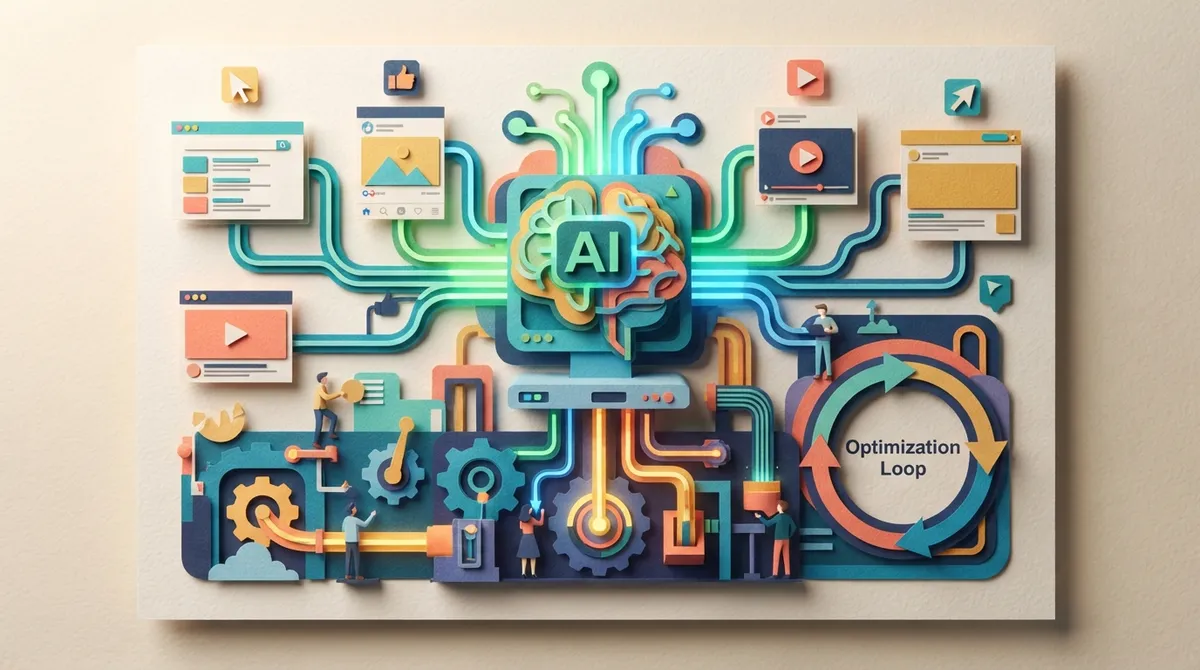
AI ads management means using machine learning tools to run and improve your paid ads. These tools can set bids, pick audiences, write ad variations, and shift your budget toward what works. Platforms like Google Ads now bake AI into almost every campaign type.
Here is what AI ads management typically handles for you:
- Smart bidding: The system adjusts what you pay per click based on how likely someone is to convert.
- Audience targeting: It finds people who look like your best customers.
- Ad testing: It mixes headlines and descriptions to find winners.
- Budget shifts: It moves money to the campaigns that perform best.
Sounds great, right? It is. But AI only knows what you teach it. Feed it bad data or fuzzy goals, and it will optimize for the wrong thing. That is where most of the mistakes below begin.

Mistake 1: Setting It and Forgetting It
This is the biggest trap of all. Many owners assume AI means hands-off. In reality, AI ads management needs regular check-ins. Markets change, competitors shift, and seasons come and go.
When nobody watches the campaign, small problems grow fast. A new competitor might push your costs up. A tracking tag might break. A seasonal dip might confuse the algorithm.
The fix: Review your campaigns weekly. Look at cost per lead, conversion rates, and search terms. If you do not have time, a team like ours handles Google Ads management with daily optimization so nothing slips through.
Mistake 2: Feeding the AI Bad Conversion Data
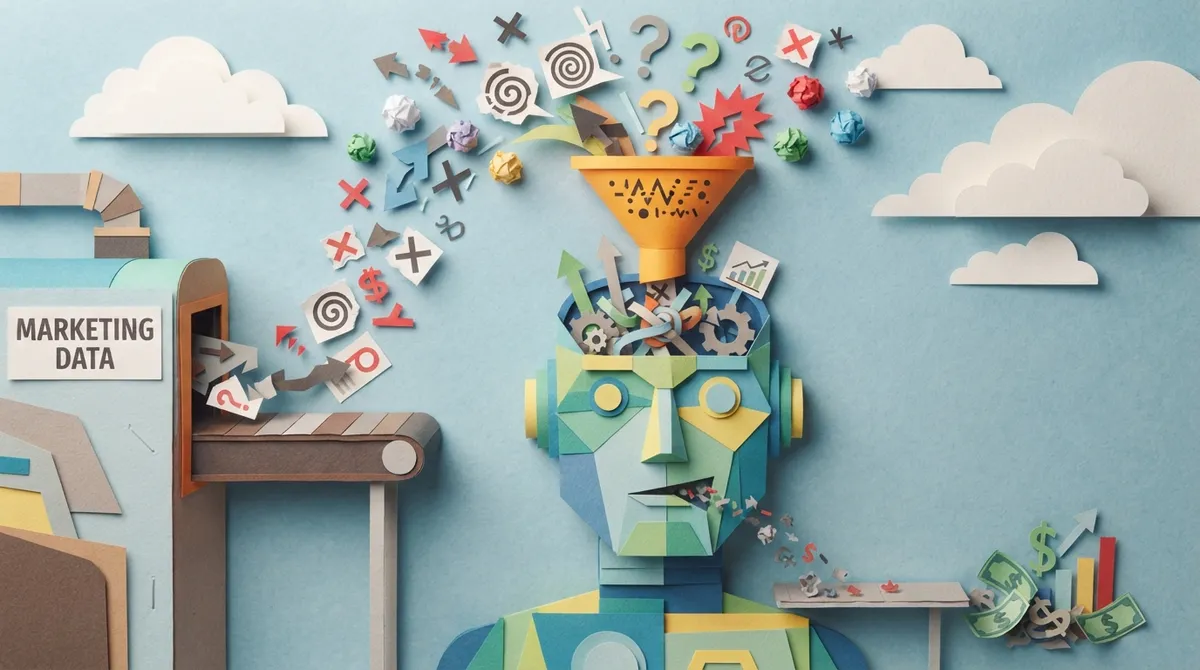
AI learns from your conversion tracking. If you count the wrong things as wins, it chases the wrong goals. Many accounts count page views, button clicks, or even spam form fills as conversions.
Picture this. A local plumber tracks every phone call as a conversion, including wrong numbers and 5-second hang-ups. The AI then finds more people who call and hang up. The budget goes up while real jobs stay flat.
The fix: Track real business results. That means qualified calls, booked appointments, completed purchases, and real form leads. Use call tracking to filter out junk. Clean data is the fuel that makes AI smart.
Mistake 3: Skipping Negative Keywords
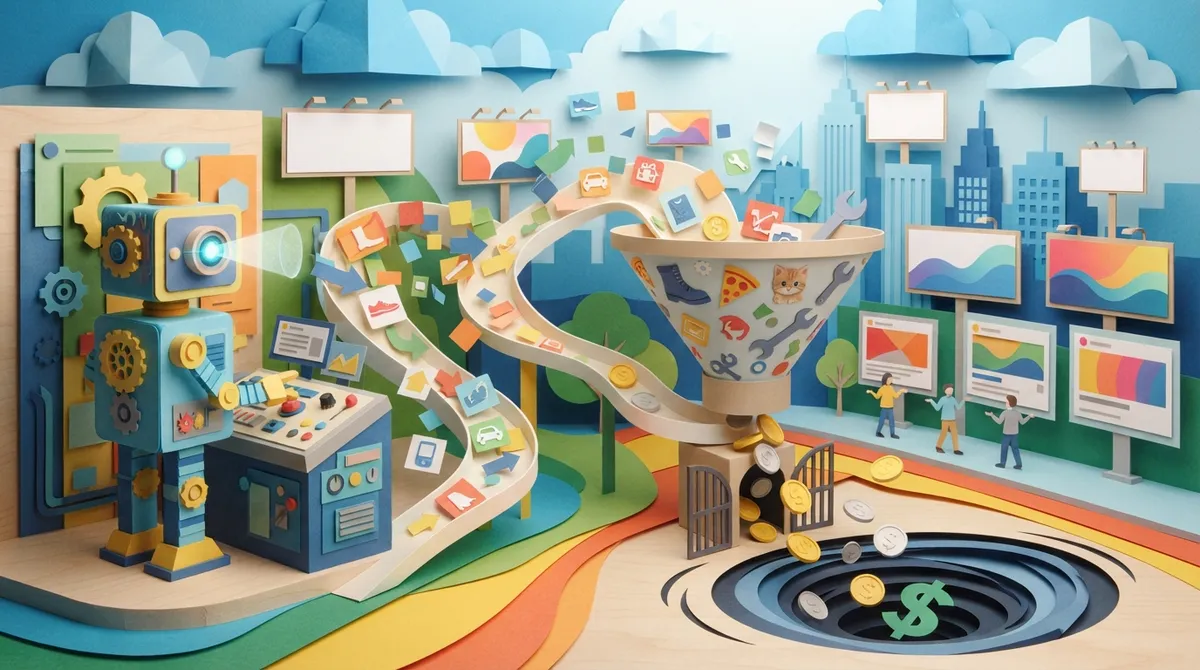
AI loves to expand your reach. Sometimes it expands a little too far. Without negative keywords, your ads can show for searches that have nothing to do with your business.
For example, a company selling premium services might show up for “free” or “cheap” searches. Those clicks cost money but rarely turn into customers.
The fix: Check your search terms report every week. Add negative keywords for anything irrelevant. Over time, this one habit can save a surprising amount of money.
Mistake 4: Giving the AI Too Little Budget or Time
AI needs data to learn. If your daily budget is tiny, the system cannot gather enough clicks and conversions to find patterns. Then people panic and change settings every few days, which resets the learning all over again.
Patience matters here. Most smart bidding strategies need a few weeks and a steady stream of conversions before they perform well.
The fix: Set a realistic budget for your goals. Let campaigns run through the learning phase before making big changes. If your budget is limited, focus on one or two tightly targeted campaigns instead of spreading thin.
Mistake 5: Trusting AI-Written Ads Without Review
AI can write ad copy in seconds. That is a real time saver! But unchecked copy can sound generic, make claims you cannot back up, or miss your brand voice completely.
Some auto-generated ads even break platform policies or promise things your business does not offer. That can lead to disapproved ads or unhappy customers.
The fix: Treat AI copy as a first draft. Read every headline and description. Add your unique value, your local flavor, and your real offers. Strong ads sound human because a human shaped them. Our content writing services can help keep your message sharp and on brand.
Mistake 6: Sending Clicks to a Weak Landing Page
Here is a mistake that has nothing to do with the AI itself. You can have a perfectly tuned campaign, but if the landing page is slow, confusing, or outdated, visitors leave. The AI then sees poor results and gets worse at finding buyers.
Think of your ads as the front door and your website as the living room. If the room is messy, nobody stays.
The fix: Make sure your landing page loads fast, works on phones, and has one clear call to action. If your site feels dated, a fresh custom website design can lift your conversion rate. You can also read why a professionally built website matters for Google Ads success.
Mistake 7: Ignoring Local and Audience Signals
AI tools often chase volume. For local service providers, that can mean clicks from people far outside your service area. Those clicks are wasted money.
Likewise, if you do not tell the system who your best customers are, it guesses. Sometimes it guesses wrong.
The fix: Set tight location targeting. Use customer lists, past buyer data, and audience signals to guide the AI. Exclude areas you do not serve. For a deeper look, check out what geo-targeting is and why your business needs it.
Mistake 8: Running Everything in One Big Campaign
When you lump all your products or services into a single campaign, the AI mixes them together. Your high-profit offer might compete with your low-profit one for the same budget.
Structure matters. A clean account gives the AI clear lanes to learn in.
The fix: Split campaigns by service, product category, or goal. Give each one its own budget and its own message. This also makes your reports much easier to read.
Mistake 9: Not Measuring What Really Matters
Clicks and impressions feel good, but they do not pay the bills. Many owners look at the wrong numbers and miss the bigger picture.
What you really want to know is simple: how much did it cost to get a customer, and was it worth it?
The fix: Track cost per lead, cost per sale, and return on ad spend. Compare results month to month. Good reporting turns AI from a mystery into a tool you can trust. You may like our guide on analytics and reporting for data-driven marketing success.
Quick Comparison: DIY AI vs. Guided AI Management
| Factor | DIY AI Ads | Expert-Guided AI Ads |
|---|---|---|
| Setup quality | Often rushed, default settings | Planned around your goals |
| Conversion tracking | Frequently inaccurate | Verified and filtered |
| Ongoing optimization | Occasional | Daily monitoring |
| Wasted spend | Higher risk | Actively reduced |
| Reporting | Basic platform numbers | Clear, business-focused insights |
How to Get Started the Right Way
Ready to put AI ads management to work without the waste? Follow these steps:
- Define one clear goal. Decide if you want calls, form leads, or online sales.
- Fix your tracking. Make sure only real conversions count.
- Build a strong landing page. Fast, clear, and mobile friendly.
- Start with focused campaigns. Keep your structure simple.
- Review weekly. Check search terms, costs, and lead quality.
- Adjust with patience. Give the AI time to learn before big changes.
Want to know how much to plan for? Our post on how much your company should spend on Google Ads each month is a helpful place to start.
What About Ads Inside AI Chat Tools?
Here is something new in 2026. Ads are starting to appear inside AI chat tools, not just search results. That opens a fresh door for businesses willing to try it early. The same rules apply, though. You still need clear goals, good tracking, and a strong message.
If you are curious, take a look at how to start advertising on ChatGPT in 2026. And for the bigger picture on staying visible in AI search, see 10 ways to optimize for AI search results in 2026.
Why Human Expertise Still Wins
AI is fast, but it does not know your business the way you do. It cannot sense a local event, understand your profit margins, or feel the tone your customers love. That is where people come in.
At Brain Buzz Marketing, we are a small, husband-and-wife-run agency with experience going back to 1998. We pair smart tools with real strategy, so your budget goes to work instead of going to waste. Curious about our story? Visit about Brain Buzz Marketing, or see what clients say on our testimonials page. You can also visit us on Google — Brain Buzz Marketing to read reviews from fellow Tampa Bay area business owners.
We are 100% virtual, so we work with businesses across Florida and the entire United States. If you want to see where we shine, explore our digital marketing services.
Final Thoughts: Make AI Work for You
AI ads management is a powerful partner when you steer it well. Avoid these nine mistakes, and you will spend smarter, learn faster, and bring in better leads. Start small, track the right things, and keep a human eye on the wheel.
Not sure where your campaigns stand? We would love to help. Contact us today and let’s talk about how to turn your ad budget into real customers. You can also follow along with our latest tips on Instagram, or connect with Eric on LinkedIn and Nicole on LinkedIn.
FAQs
Q: What is AI ads management?
A: AI ads management uses machine learning to run and improve your paid ads. It handles things like bidding, audience targeting, and ad testing. It works best when a real person sets clear goals and keeps an eye on results.
Q: Can AI ads management replace a marketing professional?
A: Not quite! AI is a fantastic tool, but it does not understand your business goals, profit margins, or local market the way a person does. The best results come from pairing smart tools with experienced human strategy.
Q: How long does it take for AI ad campaigns to start working?
A: Most AI-driven campaigns need a few weeks to learn and settle in. During this time, the system gathers data to find patterns. Avoid making big changes too quickly so it has room to learn.
Q: How much should I budget for AI ads management?
A: It depends on your goals and your market. Many small businesses start with a modest daily budget and grow as they see results. Our Google Ads management starts at $750 a month plus a $250 one-time setup fee, with ad spend paid separately to the platform.
Q: Can small businesses benefit from AI ads management?
A: Absolutely! Small businesses can gain a lot because AI helps stretch every dollar by focusing on likely buyers. Just make sure your tracking is clean and your website is ready to turn clicks into customers.
Our Service Area