
Key Takeaways
-
Conduct a full SEO audit first to identify broken links, slow pages, and content gaps before implementing changes, as fixing foundational issues makes every other tactic more effective.
-
Target the right keywords by focusing on long-tail keywords with lower competition and higher conversion intent, using tools like Google Keyword Planner to prioritize by search volume and buyer intent.
-
Create high-quality, intent-driven content that thoroughly answers user questions rather than relying on quantity; thin or keyword-stuffed pages are penalized by Google's algorithm.
-
Prioritize page speed and Core Web Vitals as direct Google ranking factors; compress images, minimize scripts, and ensure fast mobile load times since over 50% of traffic comes from mobile devices.
-
Build topical authority through content clusters where pillar pages cover main topics broadly while supporting pages dive deep into subtopics, signaling expertise and depth to search engines.
-
Track and measure results continuously using Google Search Console and Google Analytics to monitor keyword rankings, organic traffic, and conversions; expect measurable improvements within three to six months.
Search engine optimization is no longer optional. In 2026, SEO optimization is the foundation of every successful digital marketing strategy. Whether you run a small local business or manage an e-commerce store, showing up on page one of Google directly impacts your revenue. The businesses that invest in SEO today are the ones capturing leads while their competition stays invisible online.
The challenge? SEO has become more complex. Google’s algorithms now factor in user intent, content quality, mobile performance, and even how AI systems interpret your pages. That means old tactics no longer cut it. You need a clear, current, and actionable plan. This article breaks down 14 proven SEO optimization tactics that are driving measurable results right now. Each tactic is practical, direct, and designed to move the needle for businesses of all sizes.
What Is SEO Optimization and Why Does It Matter
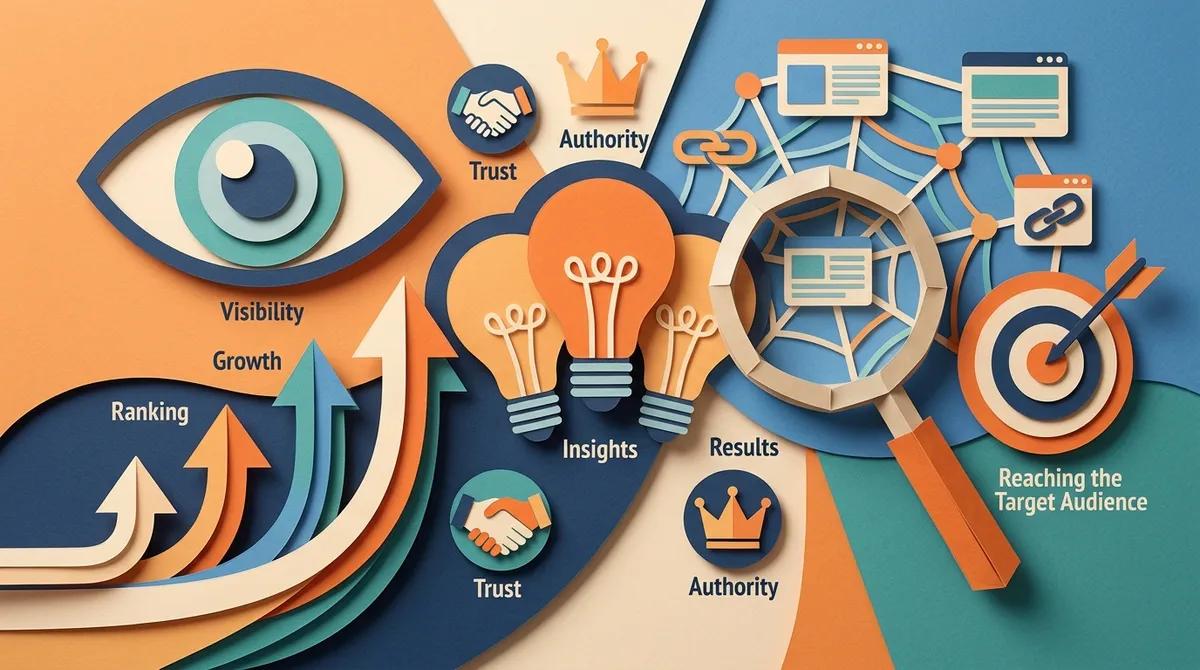
SEO optimization is the process of improving your website so it ranks higher in search engine results. Higher rankings mean more visibility. More visibility means more traffic. More traffic means more potential customers. It is that direct. According to data tracked by major digital marketing publications, the first result on Google receives nearly 30% of all clicks. If your business is not on page one, most searchers will never find you.
For local service providers, e-commerce stores, and startups alike, SEO represents the highest return on long-term digital investment. Unlike paid ads that stop the moment you pause spending, well-executed SEO continues working for you around the clock.

The 14 SEO Optimization Tactics That Work in 2026
1. Conduct a Full SEO Audit First
Before making any changes, you need to know where you stand. An SEO audit identifies broken links, slow pages, missing metadata, and content gaps. Fixing these foundational issues first makes every other tactic more effective. Learn more about what SEO audit services involve and whether your business needs one.
2. Target the Right Keywords
Keyword research is the engine behind all SEO optimization. You need to find terms your ideal customers are actually searching for. Focus on a mix of short-tail and long-tail keywords. Long-tail keywords tend to have lower competition and higher conversion intent. Use tools like Google Keyword Planner to identify search volume and difficulty before committing to a keyword strategy.
- Prioritize keywords with clear buyer intent
- Include location-based terms for local SEO
- Group related keywords into topic clusters
- Avoid targeting only high-competition terms
3. Optimize Title Tags and Meta Descriptions
Your title tag is the first thing users see in search results. It should include your primary keyword and a compelling reason to click. Keep it under 60 characters. Your meta description supports the title and should offer a brief, benefit-driven summary. These two elements directly influence click-through rates, which in turn signal quality to Google.
4. Create High-Quality, Intent-Driven Content
Content is still the backbone of SEO in 2026. But quantity alone is not enough. Every piece of content must match what the user is actually looking for. Google’s algorithm is highly sophisticated at identifying whether a page answers the searcher’s question thoroughly. Content that satisfies user intent consistently outperforms thin or keyword-stuffed pages. Invest in well-researched, clearly written articles, service pages, and landing pages.
5. Optimize for On-Page SEO Signals
On-page SEO refers to all the elements you control directly on your website. These include headings, image alt text, internal linking, URL structure, and keyword placement. Each of these signals helps search engines understand what your page is about. Review the fundamentals of on-page SEO to ensure every page is fully optimized before publishing.
6. Build a Strong Internal Link Structure
Internal links connect your pages and distribute authority across your site. They also guide visitors toward related content and deeper pages, increasing time on site. A well-structured internal link strategy helps search engines crawl and index your site more efficiently. Every new piece of content should link to at least two or three related pages on your website.
7. Prioritize Page Speed and Core Web Vitals
Google uses Core Web Vitals as a direct ranking factor. These metrics measure how fast your pages load, how quickly they respond to user interaction, and how visually stable they are. A slow website loses both rankings and visitors. Compress images, minimize scripts, and use reliable hosting to improve performance. Quality WordPress hosting plays a major role in page speed outcomes.
8. Optimize for Mobile Users
More than half of all web traffic comes from mobile devices. Google primarily uses mobile indexing, meaning it evaluates your mobile site first. If your website is difficult to navigate on a phone, your rankings will suffer. Responsive design, readable fonts, and fast mobile load times are non-negotiable for effective SEO optimization in 2026. A professionally designed custom website ensures your site performs across all devices.
9. Implement Local SEO Strategies
For businesses serving a specific geographic area, local SEO is critical. Local SEO optimization helps your business appear in map packs and location-based searches. This drives high-intent traffic from people actively looking for services nearby. Key tactics include optimizing your Google Business Profile, building local citations, and earning location-specific reviews. Explore local SEO services to see how targeted local strategies convert online searches into real customers.
- Claim and fully complete your Google Business Profile
- Use city and neighborhood-specific keywords
- Build consistent name, address, and phone (NAP) citations
- Earn and respond to Google reviews regularly
10. Earn High-Quality Backlinks
Backlinks remain one of Google’s most important ranking signals. A backlink is a link from another website to yours. Not all backlinks are equal. Links from authoritative, relevant sources carry far more weight than links from low-quality directories. Focus on creating content worth linking to and building relationships with reputable sites in your industry. Understand the real role backlinks play in organic traffic growth before investing time in link-building campaigns.
11. Optimize for Featured Snippets and AI Search
Featured snippets appear above regular results in a dedicated box. Capturing this position can dramatically increase your visibility and click-through rate. Structure your content to directly answer common questions using clear headings, numbered lists, and concise definitions. In 2026, optimizing for AI search results is equally important as traditional SEO, since AI-driven search tools are now surfacing answers from indexed web content.
12. Leverage Content Clusters and Topical Authority
Topical authority means your website is seen as an expert on a specific subject. You build this by creating a cluster of related content that covers a topic thoroughly. A pillar page covers the main topic broadly, while supporting pages dive deep into specific subtopics. This structure signals depth and expertise to search engines. Topical authority is one of the most effective long-term SEO optimization strategies available today.
13. Use Schema Markup for Structured Data
Schema markup is code added to your website that helps search engines understand your content better. It can enable rich results like star ratings, FAQs, event listings, and product prices directly in search results. These enhanced listings stand out visually and can significantly increase click-through rates. Implementing schema is a technical step, but the visibility benefits are substantial.
14. Track, Measure, and Refine Continuously
SEO optimization is not a one-time task. It requires ongoing monitoring and adjustment. Use tools like Google Search Console and Google Analytics to track keyword rankings, organic traffic, bounce rates, and conversions. Review your data monthly and make informed decisions based on what is working. Analytics and reporting transform your SEO strategy from guesswork into a data-driven growth system.

SEO Optimization Checklist by Priority
| Priority Level | Task | Impact |
|---|---|---|
| High | SEO Audit | Identifies all critical issues |
| High | Keyword Research | Drives targeted organic traffic |
| High | Page Speed Optimization | Directly affects rankings and UX |
| High | Mobile Optimization | Required for Google mobile-first indexing |
| Medium | On-Page SEO | Improves crawlability and relevance |
| Medium | Content Creation | Builds topical authority over time |
| Medium | Internal Linking | Distributes authority across pages |
| Medium | Local SEO | Captures nearby high-intent searches |
| Lower | Schema Markup | Enhances SERP appearance |
| Lower | Backlink Building | Strengthens domain authority |

How Long Does SEO Optimization Take to Show Results
This is one of the most common questions business owners ask. The honest answer is that most websites begin to see measurable improvements in three to six months. Competitive industries may take longer. Factors that affect your timeline include your domain’s age, the quality of your existing content, the number of technical issues, and how competitive your target keywords are.
Patience is essential. SEO optimization builds compounding value over time. The effort you invest today creates rankings that continue delivering traffic for months and even years. That makes it one of the best long-term investments in digital marketing. To better understand timelines and expectations, learn how to choose SEO services that actually grow your business.
On-Page vs. Off-Page vs. Technical SEO at a Glance
| SEO Type | What It Covers | Key Examples |
|---|---|---|
| On-Page SEO | Content and HTML elements on your pages | Title tags, headings, keywords, alt text |
| Off-Page SEO | External signals pointing to your site | Backlinks, mentions, social signals |
| Technical SEO | Site infrastructure and crawlability | Site speed, mobile-friendliness, schema |
| Local SEO | Geo-targeted visibility | Google Business Profile, local citations |
Common SEO Optimization Mistakes to Avoid
Even well-intentioned SEO efforts can backfire if these mistakes are present on your site. Watch for these issues and address them proactively.
- Keyword stuffing — Overusing keywords in content reads as unnatural and can trigger Google penalties
- Ignoring technical issues — Broken links, crawl errors, and slow load times silently tank rankings
- Thin or duplicate content — Pages with little original value are penalized by Google’s algorithms
- Neglecting mobile optimization — A poor mobile experience signals low quality to search engines
- Skipping analytics — Without tracking, you cannot know what is working or what needs adjustment
Avoiding these pitfalls puts you ahead of the majority of businesses that are unknowingly undermining their own rankings. For a deeper look at what the best-performing SEO strategies have in common, read about what makes the number one SEO agency stand out.
How E-E-A-T Principles Support SEO Optimization
Google’s quality evaluator guidelines place heavy emphasis on Google E-E-A-T — Experience, Expertise, Authoritativeness, and Trustworthiness. These are the signals Google uses to judge whether a page deserves to rank. Demonstrating E-E-A-T means publishing content backed by real experience, citing credible sources, earning trusted backlinks, and maintaining a secure and professional website.
For small businesses and startups, building E-E-A-T takes time. But the payoff is significant. Sites that consistently demonstrate expertise and trustworthiness earn stronger rankings that are more resistant to algorithm updates. This is why working with an agency that understands these principles makes a measurable difference in outcomes.
Why Working With an SEO Expert Accelerates Results
DIY SEO is possible, but it comes with a steep learning curve and significant time investment. Most business owners and marketing managers have limited hours to dedicate to technical SEO research and implementation. Partnering with an experienced team allows you to focus on running your business while experts handle your rankings.
Brain Buzz Marketing has been helping businesses grow online since 1998. As a Tampa-based agency built on decades of SEO expertise, the team delivers high-end results without the big-agency price tag. Every strategy is tailored to your specific goals, market, and audience. Visit Brain Buzz Marketing on Google to see what clients are saying about their SEO results.
You can also explore the full range of digital marketing services available, including SEO, Google Ads, content strategy, and custom website design. For social proof and ongoing insights, follow Brain Buzz Marketing on Facebook and Instagram.
Steps to Start Your SEO Optimization Strategy Today
- Run a full audit of your current website to identify technical and content issues
- Research the keywords your target customers are actively searching for
- Optimize all title tags, meta descriptions, and headers on existing pages
- Create a content calendar focused on high-value, intent-driven topics
- Build or clean up your Google Business Profile for local SEO visibility
- Set up Google Analytics and Search Console to track progress from day one
Conclusion
SEO optimization is the most sustainable way to grow your online presence and attract consistent, qualified traffic. The 14 tactics covered in this article represent a clear roadmap from technical foundations to content strategy to local visibility. Each step builds on the last, and the cumulative effect of getting all these elements right is a website that ranks, converts, and grows.
The businesses that invest in SEO optimization in 2026 will be the ones dominating search results in 2027 and beyond. The best time to start is now. Whether you are ready to handle it in-house or need professional support, taking action today puts you ahead of businesses that are still waiting. Get in touch with the Brain Buzz Marketing team to discuss a custom SEO strategy built around your specific goals and market.
FAQs
Q: What is SEO optimization and how does it work?
A: SEO optimization is the process of improving your website so it ranks higher in search engine results pages. It involves technical improvements, content creation, keyword targeting, and earning external links — all designed to signal relevance and authority to search engines like Google.
Q: How long does SEO optimization take to show results?
A: Most websites begin to see measurable improvements within three to six months of implementing a consistent SEO strategy. Timelines vary based on the competitiveness of your target keywords, the age of your domain, and the quality of your existing content.
Q: What is the difference between on-page and off-page SEO?
A: On-page SEO refers to elements you control directly on your website, such as title tags, content, and internal linking. Off-page SEO involves external signals like backlinks from other websites, which build your domain’s authority and credibility in the eyes of search engines.
Q: Is local SEO optimization different from general SEO?
A: Yes. Local SEO optimization specifically targets location-based searches and helps businesses appear in Google Maps and local search results. It includes strategies like optimizing your Google Business Profile, building local citations, and earning reviews from customers in your service area.
Q: Do I need to hire an agency for SEO optimization or can I do it myself?
A: Basic SEO can be done independently, but achieving competitive rankings typically requires technical expertise, consistent content creation, and ongoing analysis. Working with an experienced digital marketing agency can significantly accelerate results while freeing up your time to focus on running your business.