Key Takeaways
-
Without a clear marketing strategy, businesses waste money and time without measurable results; a well-built strategy provides direction, focus, and ties all activities together toward the same goal.
-
Combine SEO with Google Ads for maximum effectiveness: SEO builds sustainable organic traffic over 3-6 months while Google Ads delivers immediate leads within days to weeks.
-
Your website is the hub of your entire strategy; if it's slow, confusing, or not mobile-optimized, visitors leave before converting regardless of your ad spend.
-
Track only metrics directly tied to business goals like organic traffic, conversion rate, and cost per lead; avoid vanity metrics like follower counts that don't drive revenue.
-
Focus your budget on two to three well-executed channels where your target audience is most active rather than spreading resources across every platform.
-
Content strategy now requires optimization for AI-driven search results through Generative Engine Optimization (GEO) and Answer Engine Optimization (AEO), not just traditional Google rankings.
Every successful business has one thing in common: a clear marketing strategy. Without one, you are essentially guessing — spending money and time without knowing if it will pay off. A well-built digital marketing strategy gives your business direction, focus, and measurable results.
In 2026, the digital landscape is more competitive than ever. Small business owners, startups, and local service providers all face the same challenge: how do you reach the right people at the right time? The answer lies in building a strategy that combines proven tactics with today’s most effective digital tools.
This guide breaks down what a strong marketing strategy looks like, which channels matter most, and how to put it all together. Whether you are just getting started or looking to sharpen your existing approach, this article will give you a clear path forward.
What Is a Digital Marketing Strategy?
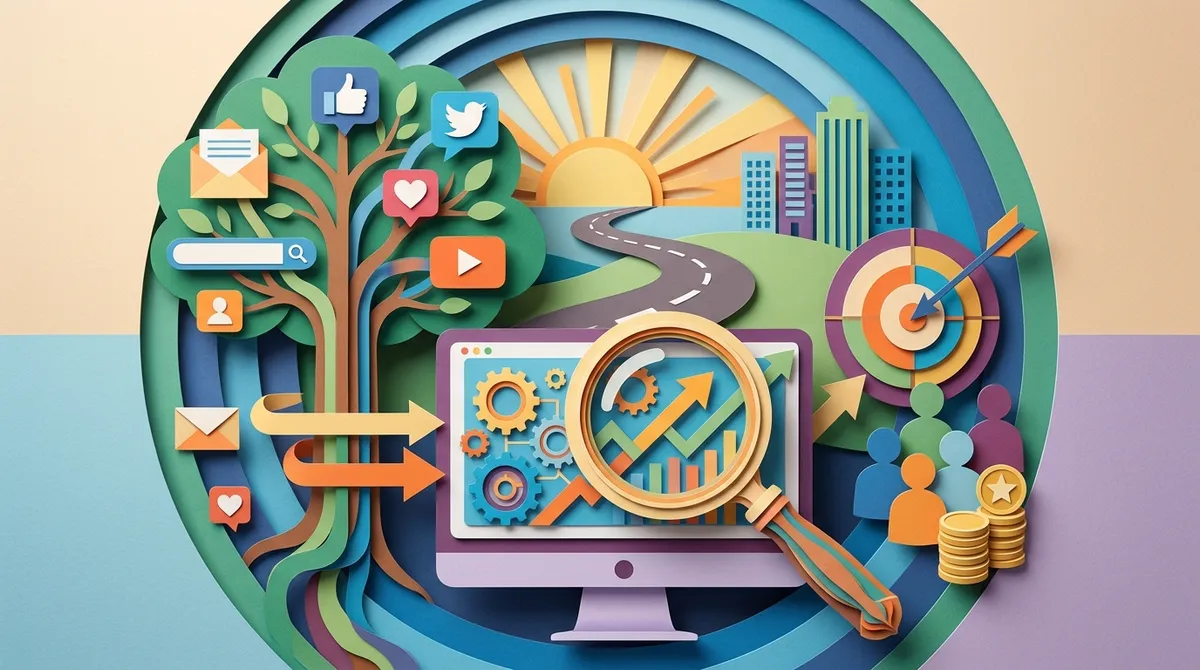
A digital marketing strategy is a plan that outlines how your business will use online channels to reach and convert your target audience. It defines your goals, identifies your audience, and maps out the tools and tactics you will use to achieve results.
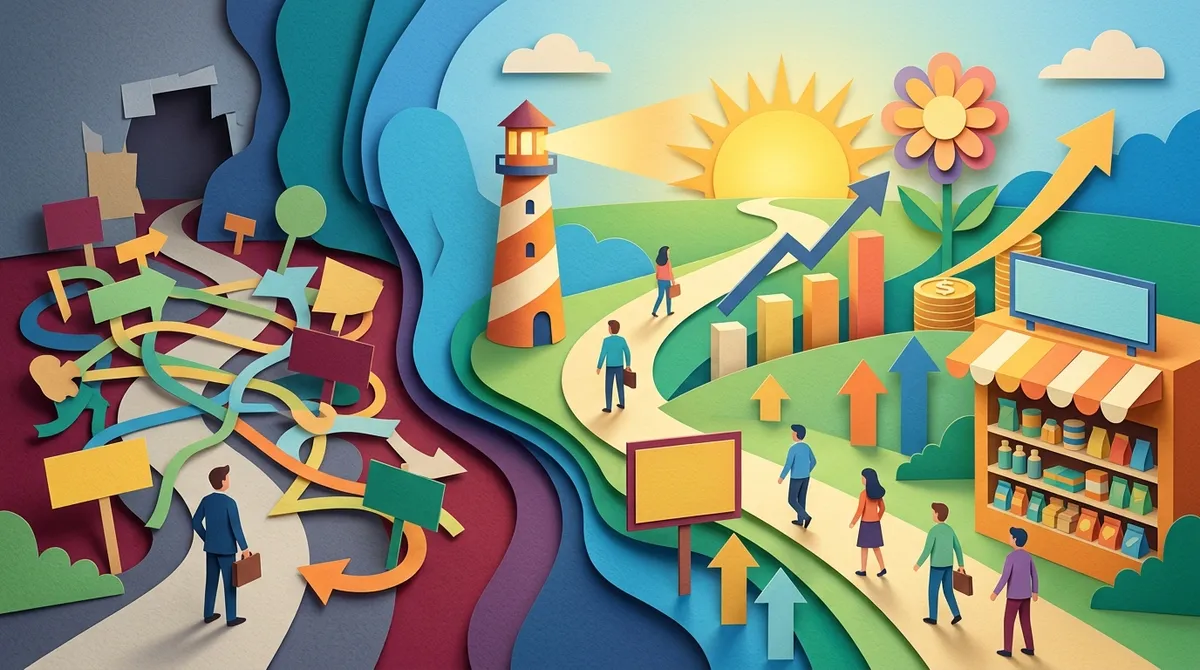
Think of it as a roadmap. Without it, you might try a little bit of everything — posting on social media, running ads, writing blog posts — but with no clear connection between those activities. A strategy ties everything together so each action supports the same goal.
A strong marketing strategy typically includes several key components working in unison. These include SEO, paid advertising, content marketing, website optimization, and social media. Each channel plays a specific role, and together they create a powerful, cohesive online presence.
Why Your Business Needs a Clear Marketing Strategy
Many business owners jump into digital marketing without a plan. They try Google Ads for a month, stop because results are slow, and then pivot to social media. This scattered approach wastes budget and produces inconsistent results.
A defined strategy solves this problem. It keeps your team focused, your budget allocated wisely, and your messaging consistent across all channels. According to Google E-E-A-T guidelines, content that demonstrates real expertise and authority consistently outperforms generic content — and a strategy ensures your entire online presence reflects that standard.
Here are the top reasons why a marketing strategy is essential for growth:
- It aligns your marketing efforts with your business goals
- It helps you identify the most profitable customer segments
- It reduces wasted ad spend and improves ROI
- It creates a consistent brand message across all platforms
- It makes it easier to measure what is working and what is not
- It positions your business competitively in your market

The 5 Core Pillars of a Strong Digital Marketing Strategy
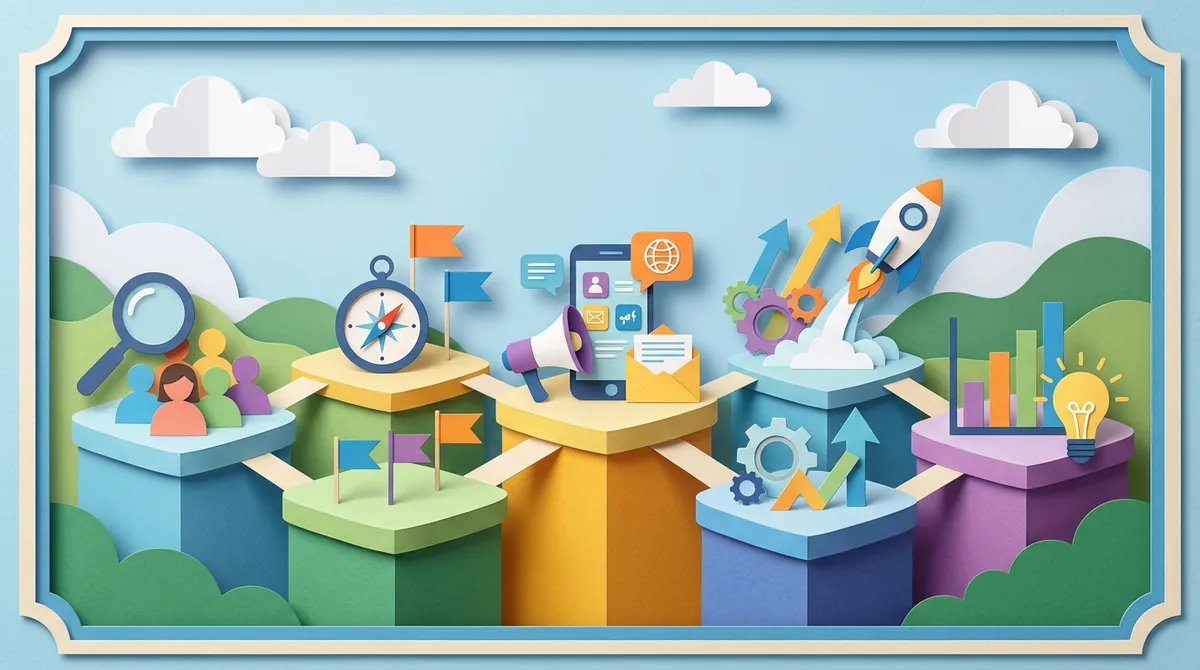
A results-driven marketing strategy is built on five core pillars. Each one plays a distinct role in attracting visitors, building trust, and converting leads into paying customers.
1. Search Engine Optimization (SEO)
Local SEO services and on-page optimization form the foundation of long-term visibility. When your website ranks high in search results, you attract consistent organic traffic without paying for every click. SEO works 24/7, building authority over time.
Effective SEO includes optimizing your website content, building relevant backlinks, and ensuring your site loads quickly. For local businesses, it also means claiming and optimizing your Google Business Profile. You can visit Brain Buzz Marketing on Google to see an example of a well-optimized local presence in the Tampa area.
2. Pay-Per-Click Advertising (PPC)
While SEO builds long-term visibility, Google Ads services deliver immediate results. PPC campaigns allow you to place your business in front of people who are actively searching for what you offer right now. This makes it one of the fastest ways to generate qualified leads.
The key to a successful PPC strategy is targeting the right keywords, writing compelling ad copy, and sending traffic to a high-converting landing page. Without all three elements working together, even a generous ad budget can underperform.
3. Content Marketing
Content is the engine that drives both SEO and audience trust. High-quality blog posts, service pages, and educational articles answer the questions your customers are already asking online. This builds authority and keeps your brand top of mind throughout the buyer’s journey.
In 2026, content strategy has evolved beyond traditional SEO. Content writing services now need to account for Generative Engine Optimization (GEO) and Answer Engine Optimization (AEO), ensuring your content surfaces in AI-driven search results and large language model responses — not just traditional Google rankings.
4. Website Design and User Experience
Your website is the hub of your entire marketing strategy. Every ad you run, every post you publish, and every search result that features your business leads people back to your site. If your site is slow, confusing, or visually outdated, visitors will leave before converting.
A professionally designed website builds immediate credibility. It should load fast, be mobile-friendly, clearly communicate your value, and make it easy for visitors to take the next step — whether that is calling, filling out a form, or making a purchase.
5. Analytics and Reporting
A marketing strategy without data is just guesswork. Tracking your results allows you to identify which channels drive the most leads, which pages convert best, and where your budget is being wasted. Regular reporting turns raw numbers into actionable insights.
Analytics and reporting should be a non-negotiable part of your strategy from day one. Set up conversion tracking, monitor your traffic sources, and review your key performance indicators monthly.
How to Build Your Marketing Strategy Step by Step
Building a marketing strategy does not have to be overwhelming. Follow these steps to create a plan that is focused, realistic, and built for results.
- Define your business goals. Are you trying to generate more leads, increase e-commerce sales, or build brand awareness? Your goals will shape every decision that follows.
- Identify your target audience. Know who you are trying to reach. Define their demographics, pain points, online behavior, and what they search for when they need a solution like yours.
- Audit your current online presence. Review your website, social media profiles, and existing content. Identify gaps and opportunities before adding new tactics.
- Choose the right channels. Not every business needs to be on every platform. Select the channels where your audience is most active and where your budget will go furthest.
- Create a content plan. Develop a calendar for blog posts, social media updates, and other content that supports your SEO and audience engagement goals.
- Set a budget and allocate resources. Decide how much you will invest in each channel — SEO, paid ads, content, and website improvements — based on your goals and timeline.
- Launch, measure, and optimize. Put your strategy into action, track results consistently, and make data-informed adjustments every month.
Comparing Digital Marketing Channels: Which Should You Prioritize?
Different marketing channels serve different purposes. The table below outlines the most common digital marketing channels, their primary benefit, and the best use case for each.
| Marketing Channel | Primary Benefit | Best For | Timeline to Results |
|---|---|---|---|
| SEO | Long-term organic visibility | Businesses wanting sustainable growth | 3–6 months |
| Google Ads (PPC) | Immediate targeted traffic | Fast lead generation and promotions | Days to weeks |
| Content Marketing | Authority building and SEO support | Education-driven industries and service businesses | 2–4 months |
| Social Media Marketing | Brand awareness and community engagement | B2C businesses and local service providers | 1–3 months |
| Email Marketing | Nurturing leads and retaining customers | E-commerce and subscription businesses | Immediate to ongoing |
For most small businesses, the most effective starting point is combining SEO with Google Ads. SEO builds sustainable traffic over time while Google Ads delivers immediate visibility. This inbound vs. outbound marketing strategy balance is one of the most powerful approaches available today.
Common Marketing Strategy Mistakes to Avoid
Even businesses with solid intentions make costly marketing mistakes. Here are the most common errors that hold businesses back — and how to avoid them:
- No clear goal: Marketing without defined objectives leads to scattered activity and poor results. Always start with a specific, measurable goal.
- Ignoring mobile users: More than half of all web traffic comes from mobile devices. If your site is not optimized for mobile, you are losing customers before they even read your offer.
- Skipping SEO: Many businesses rely entirely on paid ads and miss out on the long-term value of organic SEO growth.
- Inconsistent branding: Using different logos, colors, or messaging across platforms confuses your audience and weakens brand trust.
- Not tracking results: If you are not measuring your marketing performance, you cannot improve it. Set up analytics from day one.
- Trying to be everywhere at once: Spreading your budget across too many channels dilutes your impact. Focus on two or three channels first and expand as results grow.
Marketing Strategy for Different Business Types
A marketing strategy is not one-size-fits-all. The right approach depends on the type of business you run and the customers you serve. Here is how strategy priorities shift based on your business model:
- Local service businesses — Prioritize local SEO, Google Business Profile optimization, and Google Ads targeting nearby zip codes. The goal is to appear when local customers search for your service. Explore how local SEO drives more customers in 2026 for detailed tactics.
- E-commerce retailers — Focus on product-level SEO, Google Shopping ads, and email retargeting campaigns. You also need a fast, conversion-optimized website with clear calls-to-action and a smooth checkout experience. Check out the must-have features for e-commerce websites in 2026.
- B2B companies and startups — Invest in thought leadership content, LinkedIn presence, and targeted PPC campaigns. Building authority through informative content is especially powerful for businesses selling complex services or high-ticket solutions. The guide on how to build a B2B marketing strategy is an excellent starting resource.
Regardless of business type, every effective strategy requires a strong website at its core. Digital marketing services that integrate SEO, paid ads, and content work best when they all point back to a well-designed, fast-loading website that is built to convert.
How Brain Buzz Marketing Builds Strategies That Deliver Results
Brain Buzz Marketing has been helping small and medium-sized businesses grow online since 1998. As a Tampa-based agency, our team combines decades of experience with the latest tools in SEO, GEO, AEO, Google Ads, and custom website design. We take a data-first approach to every marketing strategy — starting with your specific goals, your audience, and your competitive landscape.
What makes our approach unique is that we do not offer cookie-cutter solutions. Every strategy we build is custom to the client. Whether you are a local service provider in the Tampa Bay area or an e-commerce brand looking to scale, we create strategies designed to move the needle. You can follow Brain Buzz Marketing on Facebook and Instagram to see our latest insights and client wins.
We also serve businesses across industries. For example, practices like West Florida Therapy and healthcare providers like Segovia Orthodontics rely on targeted digital strategies to connect with local patients and build their online reputations effectively.
Key Metrics to Track in Your Marketing Strategy
Tracking the right metrics ensures your strategy stays on course. Focus on the data that directly connects to your business goals, not just vanity metrics like follower counts.
| Metric | What It Measures | Why It Matters |
|---|---|---|
| Organic Traffic | Visitors from search engines | Reflects the effectiveness of your SEO efforts |
| Conversion Rate | Percentage of visitors who take action | Shows how well your site turns visitors into leads |
| Cost Per Lead (CPL) | Average cost to acquire one lead | Helps evaluate PPC and paid campaign efficiency |
| Bounce Rate | Visitors who leave without engaging | Indicates website UX and content relevance issues |
| Keyword Rankings | Where your pages appear in search results | Tracks SEO progress over time |
Start Building Your Marketing Strategy Today
A strong digital marketing strategy is not a luxury reserved for large corporations. In 2026, it is a requirement for any business that wants to compete online. The good news is that you do not have to figure it all out alone.
Start with a clear goal, choose the right channels for your audience, and commit to tracking your results. Even a focused strategy built around two or three well-executed tactics will outperform a scattered approach every time. Resources like the complete guide to digital marketing for business growth can help you deepen your understanding at every stage.
If you are ready to stop guessing and start growing, the team at Brain Buzz Marketing is here to help. We build custom marketing strategies that are grounded in data, designed for your specific goals, and built to deliver real, measurable results. Reach out to our team today and let us build a strategy that works for your business.
FAQs
Q: What is a digital marketing strategy and why does my business need one?
A: A digital marketing strategy is a structured plan that outlines how your business will use online channels — such as SEO, Google Ads, and content marketing — to reach and convert your target audience. Without one, marketing efforts tend to be disjointed and difficult to measure, leading to wasted budget and inconsistent results.
Q: How long does it take to see results from a marketing strategy?
A: The timeline depends on which channels you prioritize. Google Ads can generate leads within days, while SEO typically takes three to six months to produce significant organic traffic. A well-balanced strategy that combines both paid and organic tactics will deliver both short-term wins and long-term sustainable growth.
Q: How much should a small business spend on digital marketing?
A: Most industry guidelines suggest allocating between 7% and 12% of gross revenue to marketing for established businesses, with newer companies often investing more aggressively to build initial visibility. The most important factor is not how much you spend, but how strategically your budget is distributed across the right channels for your audience and goals.
Q: Which digital marketing channel delivers the best ROI?
A: SEO consistently delivers one of the highest long-term returns on investment because it generates ongoing organic traffic without a cost-per-click. However, Google Ads offers faster results and is highly effective for businesses that need immediate lead generation. The best ROI typically comes from a combined strategy that leverages both channels together.
Q: Can a small business compete with larger companies using a digital marketing strategy?
A: Absolutely. A focused digital marketing strategy levels the playing field by targeting niche audiences, local markets, and high-intent search terms where large companies may not dominate. Local SEO, in particular, gives small businesses a powerful advantage in their geographic market when executed consistently and correctly.