Google PPC Charges: What You’ll Really Pay in 2026
Discover what Google PPC charges really cost in 2026, plus proven strategies to reduce your spending and maximize ROI.

Key Takeaways
-
Google PPC charges are based on a pay-per-click model where you only pay when someone clicks your ad, making it a cost-effective advertising method.
-
The average cost-per-click across industries in 2026 is $5.26, with significant variations depending on industry and keyword competition.
-
Your Quality Score directly impacts costs; a high score of 8-10 can reduce your expenses by up to 50% compared to a low score.
-
Most businesses spend between $100 and $10,000 monthly on Google Ads, with budget tiers ranging from starter to aggressive campaigns.
-
Long-tail keywords are more affordable and convert better, accounting for 70% of all searches and offering more targeted advertising.
-
Strategic ad scheduling and using negative keywords can significantly reduce wasted ad spend by targeting only relevant, high-converting periods.
-
Return on Ad Spend (ROAS) is crucial; aim for at least a 4:1 ratio to ensure campaign profitability and effectiveness.
If you’re thinking about launching a Google Ads campaign, you’re probably wondering exactly how much you’ll pay. Google PPC charges can seem mysterious at first, but understanding the costs helps you budget smarter and get better results. In 2026, businesses are spending anywhere from a few hundred to thousands of dollars monthly on Google Ads, and the costs continue to rise as more competitors enter the digital advertising space.
The good news? You’re in complete control of your spending. Google operates on a pay-per-click model, which means you only pay when someone actually clicks your ad. This makes it one of the most cost-effective advertising methods available. However, knowing what influences those costs and how to optimize your spending is crucial for small business owners who want to maximize their return on investment.
In this guide, we’ll break down everything you need to know about Google PPC charges in 2026. You’ll discover current pricing trends, what factors affect your costs, and practical strategies to get more clicks without breaking the bank. Whether you’re running your first campaign or looking to improve existing ads, this information will help you make smarter decisions about your advertising budget.
How Google PPC Charges Actually Work
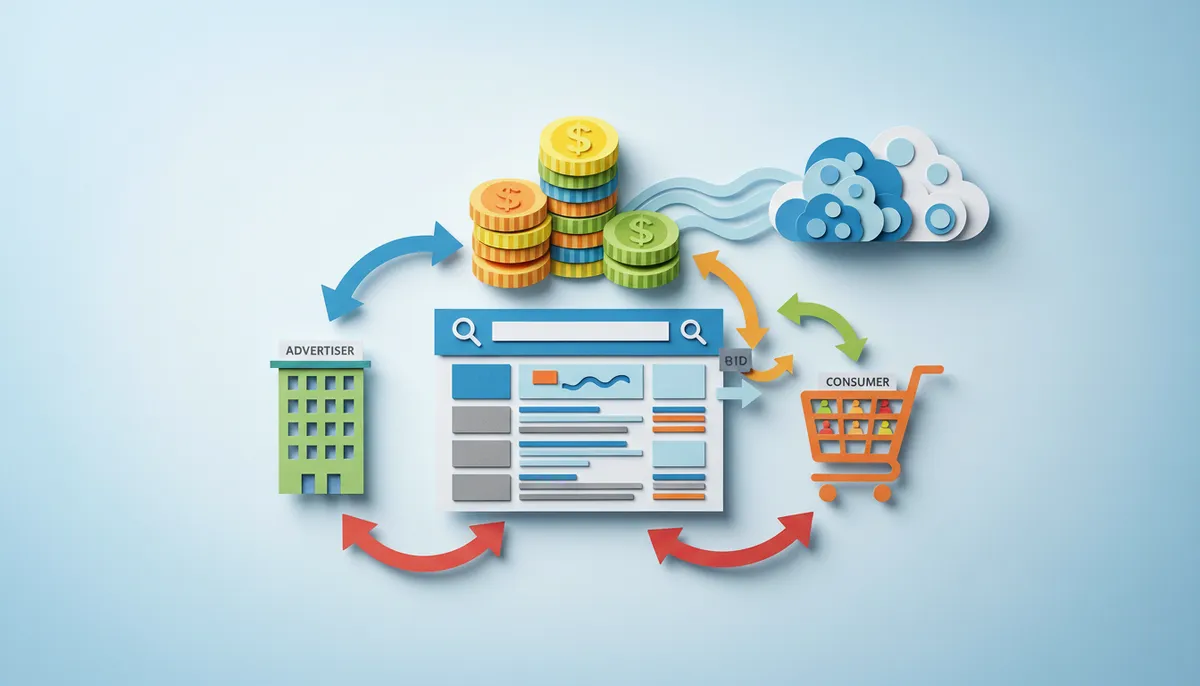
Google Ads doesn’t charge a flat monthly fee or an upfront cost. Instead, you pay each time someone clicks on your advertisement. This pay-per-click model ensures you’re only spending money when someone shows genuine interest in what you offer. But how does Google decide how much each click costs?
The system works through an auction process. When someone searches for keywords related to your business, Google runs a lightning-fast auction among all advertisers bidding on those terms. Your cost isn’t just about how much you’re willing to pay—it’s also influenced by your ad quality and relevance.
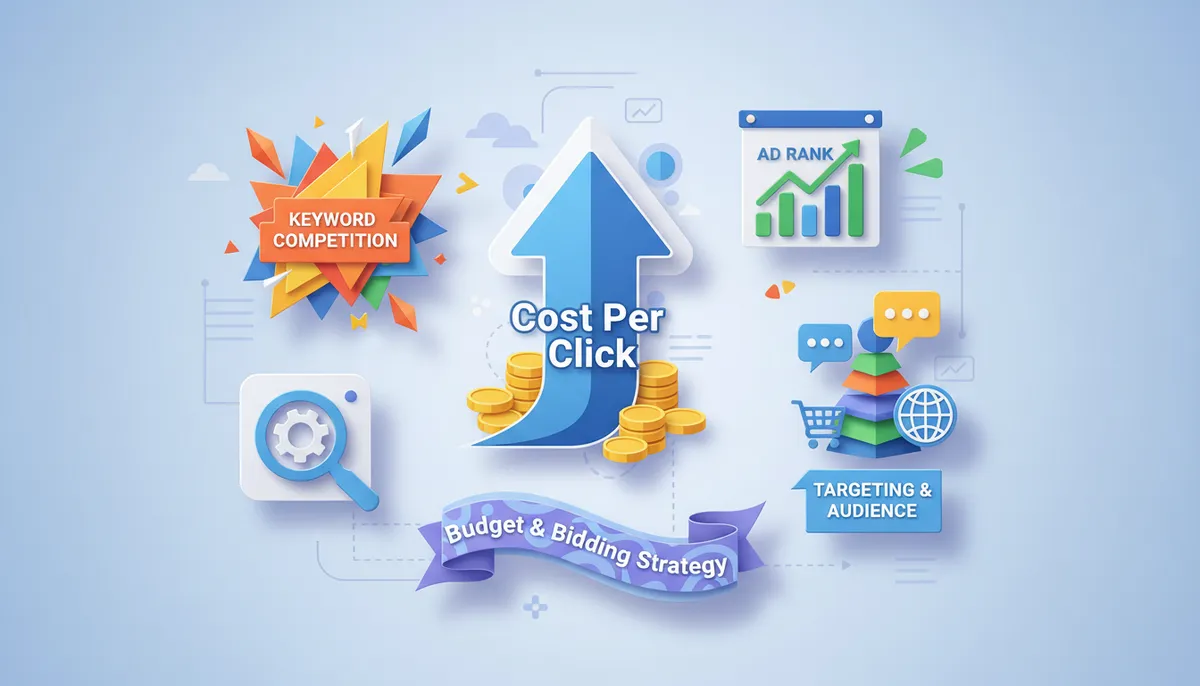
Three main factors determine your Google PPC charges:
-
Your maximum bid: This is the highest amount you’re willing to pay for a click
-
Quality Score: Google rates your ad’s relevance and user experience from 1-10
-
Ad Rank: This combines your bid with your Quality Score to determine placement
Here’s the interesting part: you don’t always pay your maximum bid. You actually pay just enough to beat the advertiser below you, plus one cent. This means improving your ad quality can lower your costs while maintaining better positions. Digital marketing services that focus on optimization can help you achieve this balance.
Average Google PPC Charges in 2026
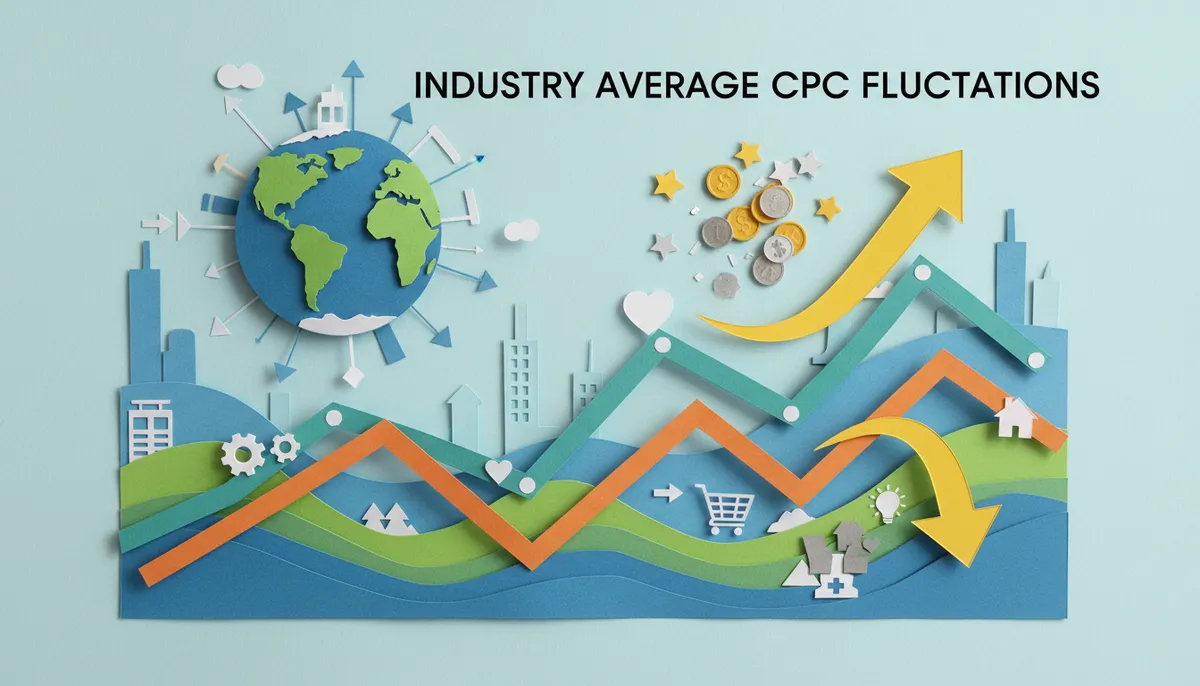
So what are businesses actually paying for Google Ads in 2026? The costs vary significantly depending on your industry, keywords, and competition level. According to current data, the average cost-per-click across all industries on Google Search Ads is approximately $5.26, representing a 12.9% increase from the previous year.
However, this average doesn’t tell the whole story. Some industries pay much more, while others enjoy cheaper clicks. Here’s a realistic breakdown of what you can expect:
|
Industry |
Average CPC (Search) |
Average CPC (Display) |
|---|---|---|
|
Legal Services |
$22.75 |
$6.75 |
|
Consumer Services |
$6.40 |
$0.72 |
|
Technology |
$3.80 |
$0.51 |
|
E-commerce |
$0.82 |
$0.45 |
Display Network ads are significantly cheaper, averaging just $0.63 per click across industries. YouTube Ads offer even more affordable options at around $0.49 per click. These lower-cost platforms can be excellent for businesses with tighter budgets who still want to maintain visibility.
The average cost-per-lead across industries sits at $70.11, while e-commerce businesses can expect to pay about $45.27 for each customer acquisition through Search Ads. Understanding these benchmarks helps you set realistic expectations and budget accordingly for your campaigns.
What Influences Your Google PPC Costs
Not all clicks cost the same, even within the same industry. Several factors influence what you’ll ultimately pay for each visitor. Understanding these variables gives you more control over your advertising expenses.
Competition Level and Keyword Selection
The number of businesses competing for your target keywords dramatically affects pricing. High-competition keywords like “insurance” or “lawyer” cost significantly more than niche, long-tail phrases. If everyone wants the same keywords, prices naturally rise through the auction system.
Smart keyword selection can reduce your costs considerably. Instead of targeting “marketing agency,” you might focus on “local marketing services for restaurants” if that’s your specialty. These specific phrases often convert better while costing less per click.
Quality Score Impact
Your Quality Score directly affects your costs. Google rewards advertisers who create relevant, helpful ads with lower prices and better positions. A Quality Score of 8-10 can reduce your costs by up to 50% compared to a score of 1-4.
Improving your Quality Score requires:
-
Writing compelling ad copy that matches user intent
-
Creating dedicated landing pages for each ad group
-
Maintaining high click-through rates
-
Ensuring fast page load speeds
-
Making your website mobile-friendly
Geographic Targeting and Device Preferences
Where your ads appear and what devices they show on affects your costs. Advertising in major metropolitan areas typically costs more than targeting rural regions. Mobile bids often run higher due to bid adjustments and increased competition for mobile searches.
You can set location-specific bids to control costs. If you notice certain areas convert better than others, allocate more budget there while reducing spending in underperforming locations.

Monthly Budget Expectations for Google Ads
When planning your Google Ads strategy, understanding realistic monthly budgets helps set proper expectations. Most businesses in 2026 spend between $100 and $10,000+ monthly on Google Ads, depending on their goals and industry competition.
Here’s a practical breakdown of budget tiers:
-
Starter Budget ($100-$500/month): Good for local businesses testing Google Ads or targeting very specific niche keywords with low competition
-
Small Business Budget ($500-$2,000/month): Allows for multiple campaigns, better keyword coverage, and enough data to optimize performance
-
Growth Budget ($2,000-$5,000/month): Provides substantial reach, multiple ad formats, and competitive positioning in most industries
-
Aggressive Budget ($5,000-$10,000+/month): Enables market dominance, comprehensive keyword coverage, and sustained visibility in competitive spaces
Your budget should align with your business goals and expected returns. A simple calculation helps: if your average customer value is $500 and you maintain a 10% conversion rate, spending $50 per conversion ($5 CPC with 10 clicks needed) yields a strong return on investment.
Remember that Google Ads works on a daily budget system. If you set a $1,000 monthly budget, you’re actually setting approximately $33 per day (monthly budget divided by 30.4 average days). Some days might exceed this amount by up to 2x, but Google never charges more than your monthly cap.
SEO and PPC work together beautifully. While organic rankings take time, paid ads deliver immediate visibility while your SEO foundation grows stronger.
Understanding CPC Inflation in 2026
One trend you can’t ignore is CPC inflation. Google PPC charges have been rising steadily year after year, and 2026 continues this upward trajectory. The 12.9% year-over-year increase reflects growing competition as more businesses recognize the value of paid search advertising.
Several factors drive this inflation:
-
More businesses entering digital advertising markets
-
Increased consumer spending happening online
-
Limited ad space on search results pages
-
Improved targeting capabilities attracting bigger advertisers
-
Rising costs in specific high-value industries
This inflation makes optimization more critical than ever. What worked last year might not deliver the same results in 2026. Regular campaign audits, A/B testing, and strategic adjustments help you maintain profitability despite rising costs.
The good news? Smarter targeting and better ad quality can offset these increases. Content writing services that create compelling landing pages improve your Quality Score, which in turn reduces your actual costs per click.
Cost Comparison: Search vs Display vs YouTube
Google offers multiple advertising platforms, each with different pricing structures. Understanding these differences helps you allocate your budget effectively across channels that match your business goals.
|
Platform |
Average CPC |
Average CPM |
Best For |
|---|---|---|---|
|
Search Ads |
$5.26 |
N/A |
High-intent buyers ready to purchase |
|
Display Network |
$0.63 |
$0.51-$1.00 |
Brand awareness and remarketing |
|
YouTube Ads |
$0.49 |
$0.026 (CPV) |
Video content and engagement |
Search Ads capture users actively looking for solutions, making them more expensive but typically more valuable. Someone searching “emergency plumber near me” has clear intent and high conversion potential. Display Ads show your message across millions of websites, offering broader reach at lower costs but with less immediate intent.
YouTube Ads present unique opportunities for video content at affordable rates. The cost-per-view of just $0.026 means you can reach thousands of viewers for modest budgets. This works especially well for businesses that can demonstrate their value visually.
Many successful campaigns use a mixed approach. Start with Search Ads to capture high-intent traffic, then use Display and YouTube for remarketing to people who didn’t convert initially. This multi-platform strategy maximizes your reach while controlling overall costs.
Strategies to Lower Your Google PPC Charges
Nobody wants to overpay for advertising. Fortunately, you can implement several proven strategies to reduce your Google PPC charges while maintaining or even improving your results. These tactics work for businesses of all sizes in 2026.
Focus on Long-Tail Keywords
Instead of competing for expensive broad terms, target specific long-tail keywords. “Best organic coffee beans for cold brew” costs far less than “coffee” while attracting users closer to making a purchase. These longer phrases often convert better because they match specific search intent.
Research shows long-tail keywords account for 70% of all searches. They’re less competitive, more affordable, and often deliver better quality leads. Build your campaigns around these specific phrases to stretch your budget further.
Improve Your Quality Score
We mentioned Quality Score earlier, but its importance deserves emphasis. A higher score directly reduces your costs. Focus on creating tight ad groups where keywords, ad copy, and landing pages all align perfectly.
Practical steps to boost Quality Score:
-
Write ad headlines that include your exact keywords
-
Create specific landing pages for each product or service
-
Improve page load speed (aim for under 3 seconds)
-
Add relevant content that answers user questions
-
Include clear calls-to-action on landing pages
Use Negative Keywords Aggressively
Negative keywords prevent your ads from showing for irrelevant searches. If you sell premium products, add “cheap” and “free” as negative keywords. This stops you from paying for clicks from people who won’t buy anyway.
Review your search terms report weekly to identify wasteful spending. You’ll often find surprising phrases triggering your ads that have nothing to do with your business. Adding these as negatives immediately reduces wasted budget.
Schedule Ads Strategically
Your ads don’t need to run 24/7 if your business operates specific hours or if certain times convert better. Use ad scheduling to show ads only during high-performing periods. If most sales happen Monday through Friday from 9 AM to 5 PM, why pay for weekend clicks?
Analyze your conversion data by day and hour. You might discover that Tuesday afternoons convert three times better than Saturday mornings. Shift your budget accordingly to maximize returns during peak performance windows.
At Brain Buzz Marketing, we help businesses implement these cost-saving strategies while improving campaign performance. Our approach focuses on efficiency and measurable results that matter to your bottom line.
Calculating Your Return on Ad Spend
Google PPC charges only make sense when you consider what you’re getting in return. Return on Ad Spend (ROAS) measures how much revenue you generate for every dollar spent on advertising. A positive ROAS means your campaigns are profitable.
The calculation is simple:
ROAS = Revenue from Ads ÷ Cost of Ads
For example, if you spend $1,000 on Google Ads and generate $4,000 in sales, your ROAS is 4:1 or 400%. For every dollar spent, you earned four dollars back. Most businesses aim for at least 4:1 ROAS to ensure profitability after accounting for product costs and overhead.
Key metrics to track alongside ROAS:
-
Conversion Rate: Percentage of clicks that become customers
-
Cost Per Acquisition (CPA): Total ad spend divided by number of conversions
-
Customer Lifetime Value (CLV): Total revenue from a customer over their relationship with your business
-
Click-Through Rate (CTR): Percentage of impressions that result in clicks
Understanding these metrics helps you evaluate whether your Google PPC charges represent a good investment. If your average customer spends $500 over their lifetime and your CPA is $50, you’re achieving a 10:1 return—excellent performance by any standard.
Don’t judge campaigns too quickly. New accounts often need 90 days of data before optimization really kicks in. Patient testing and refinement typically yield the best long-term results.
Common Mistakes That Increase PPC Costs
Even experienced advertisers sometimes make mistakes that inflate their Google PPC charges unnecessarily. Avoiding these common pitfalls can save hundreds or thousands of dollars monthly while improving your campaign performance.
Using Broad Match Keywords Carelessly
Broad match keywords trigger your ads for related searches, including variations you never intended. While this increases reach, it often leads to irrelevant clicks and wasted budget. Someone searching “marketing software free download” might trigger your ad even if you sell premium marketing services.
Use phrase match or exact match keywords for better control. Save broad match for discovery campaigns where you’re intentionally testing new keyword opportunities, not for your main budget.
Neglecting Mobile Optimization
Over 60% of searches happen on mobile devices in 2026. If your landing pages aren’t mobile-friendly, you’re paying for clicks that immediately bounce. This tanks your Quality Score and forces you to pay more for future clicks.
Test your pages on various devices. Ensure buttons are easy to tap, text is readable without zooming, and forms are simple to complete on smartphones. Website design that prioritizes mobile experience improves conversion rates while reducing advertising costs.
Setting and Forgetting Campaigns
Google Ads requires active management. Markets change, competitors adjust their strategies, and consumer behavior shifts. Campaigns left unattended for months inevitably waste money on underperforming elements.
Schedule weekly reviews of your account. Check which keywords perform best, which ads get the highest click-through rates, and where conversions happen. Make incremental improvements based on actual data, not assumptions.
Ignoring Search Terms Reports
The search terms report shows exactly what people typed before clicking your ad. This goldmine of information reveals opportunities and problems. You’ll find new keywords to target and irrelevant terms to exclude.
Many advertisers never look at this report, essentially flying blind. Reviewing it weekly helps you continuously refine targeting and eliminate wasteful spending before it accumulates.
Industry-Specific PPC Cost Considerations
Different industries face unique challenges and opportunities with Google PPC charges. Understanding your specific sector’s landscape helps set realistic expectations and identify strategic advantages.
Local Service Businesses
Plumbers, electricians, lawyers, and other local service providers often face high competition but also high customer values. CPC charges might seem expensive at $10-20 per click, but if one customer generates $1,000+ in revenue, the math works beautifully.
Focus on geographic targeting to control costs. Instead of advertising across an entire city, target specific neighborhoods where you want to grow. Use location extensions and call extensions to make it easy for nearby customers to reach you immediately.
E-commerce Retailers
E-commerce businesses typically enjoy lower CPCs, averaging around $0.82 on Search Ads. However, product margins might be thinner, requiring careful management to maintain profitability. Shopping campaigns often perform better than standard search ads for product-based businesses.
Implement remarketing campaigns to recapture visitors who didn’t purchase initially. These ads cost less and convert better because they target people already familiar with your brand. The average e-commerce CPA of $45.27 provides a benchmark for your own performance.
Professional Services
Consultants, agencies, and professional services face moderate competition with CPCs ranging from $3-8 typically. The key is demonstrating clear value propositions that justify your rates. Your ad copy needs to communicate expertise and specific benefits quickly.
Lead magnets work exceptionally well for professional services. Instead of pushing immediate sales, offer valuable free resources that capture contact information. This builds your email list while reducing immediate pressure on conversion rates.
The Role of Landing Pages in PPC Costs
Your landing page quality directly impacts your Google PPC charges through Quality Score. A great ad that leads to a poor landing page wastes money and frustrates potential customers. The connection between ad and landing page must be seamless.
Elements of high-converting landing pages include:
-
Headlines that match your ad copy exactly
-
Clear, prominent calls-to-action above the fold
-
Fast loading speeds (under 3 seconds)
-
Trust signals like testimonials and guarantees
-
Simple forms that only ask for essential information
-
Mobile-responsive design
A/B testing landing pages can improve conversion rates by 50-100% or more. Small changes like button color, headline wording, or form length can dramatically affect results. Since you’re already paying for the click, maximizing conversions from that traffic multiplies your return on investment.
Consider creating dedicated landing pages for each ad group or major keyword theme. Someone searching for “emergency HVAC repair” needs different messaging than someone searching for “HVAC maintenance plans.” Specific pages address specific needs more effectively.
Technical performance matters too. Google considers page speed in Quality Score calculations. Use tools like PageSpeed Insights to identify and fix performance bottlenecks. Compressing images, enabling browser caching, and minimizing code can significantly improve load times and user experience.
Budgeting for Seasonal Fluctuations
Google PPC charges fluctuate throughout the year based on seasonal demand and competition. Understanding these patterns helps you allocate budget more effectively and avoid surprises during peak periods.
Most industries experience seasonal variations. Retail businesses see higher costs during Q4 as holiday shopping competition intensifies. Tax services face elevated CPCs from January through April. Pool services command premium prices in spring and early summer.
Smart budgeting strategies for seasonal businesses:
-
Increase budgets before peak season starts to build momentum
-
Reduce or pause campaigns during confirmed slow periods
-
Use historical data to predict cost increases and plan accordingly
-
Save budget during off-seasons for critical peak periods
-
Test new campaigns during cheaper months before scaling in expensive periods
Year-round businesses benefit from counter-seasonal opportunities. When your competitors reduce spending, you can gain market share at lower costs. This strategy works especially well for industries without strong seasonal patterns.
Track your costs weekly throughout the year. You’ll notice patterns emerge that help predict future trends. If July typically sees 30% lower CPCs than December, plan campaigns accordingly to maximize your annual budget efficiency.
Working with a PPC Management Partner
Managing Google Ads effectively requires time, expertise, and constant attention. Many businesses find that partnering with specialists actually reduces their overall costs while improving results. Professional management fees often pay for themselves through improved campaign performance.
What to look for in a PPC partner:
-
Proven track record with businesses in your industry
-
Transparent reporting of costs, clicks, and conversions
-
Regular communication and strategy updates
-
Certification and ongoing training in Google Ads
-
Focus on your business goals, not just clicks or impressions
At Brain Buzz Marketing, we’ve been helping businesses succeed with Google Ads since 1998. Our approach combines technical expertise with a deep understanding of what actually drives business results. We focus on sustainable growth and measurable returns, not vanity metrics that don’t impact your bottom line.
Professional management includes competitive research, ongoing optimization, creative development, and strategic planning. These elements work together to reduce your costs while improving performance—often delivering better results than in-house teams without extensive PPC experience.
The right partner should feel like an extension of your team. They understand your business goals, communicate clearly, and make recommendations based on data. If you’re spending significant money on Google Ads or plan to scale your campaigns, professional management often proves invaluable.
Conclusion: Taking Control of Your PPC Investment
Understanding Google PPC charges in 2026 empowers you to make smarter advertising decisions. While costs continue rising across most industries, strategic optimization and careful management can deliver exceptional returns on your investment. The key is approaching paid search as a long-term strategy, not a short-term experiment.
Remember these essential points about Google PPC charges: You pay only when someone clicks your ad. Your costs depend on competition, Quality Score, and targeting choices. Industry averages provide benchmarks, but your specific results will vary based on implementation quality. Continuous testing and refinement lead to lower costs and better performance over time.
Whether you manage campaigns yourself or work with specialists, focus on metrics that matter to your business—conversions, revenue, and profitability, not just clicks and impressions. Google Ads can be one of your most effective marketing channels when managed properly.
Ready to optimize your Google Ads investment and reduce unnecessary spending? Get in touch with our team to discuss how we can help you achieve better results at lower costs. We’ll review your current campaigns, identify opportunities for improvement, and create a customized strategy that aligns with your business goals. Don’t let rising PPC costs eat into your profits—let’s build a more efficient, profitable advertising system together. Visit us on Google to learn more about our approach and read what our clients say about working with us.
FAQs
Q: What is the average cost per click for Google Ads in 2026?
A: The average cost per click across all industries on Google Search Ads is approximately $5.26 in 2026, which represents a 12.9% increase from the previous year. However, costs vary dramatically by industry—legal services average $22.75 per click while e-commerce averages just $0.82. Your specific costs depend on keyword competition, Quality Score, and targeting choices.
Q: How much should I budget monthly for Google Ads?
A: Most businesses spend between $100 and $10,000+ monthly depending on their goals and industry. Starter budgets of $100-500 work for local businesses testing Google Ads, while growth-focused campaigns typically require $2,000-5,000 monthly to achieve competitive visibility. Your ideal budget should align with your customer lifetime value and expected conversion rates to ensure positive ROI.
Q: Does Google charge per impression or per click?
A: Google Ads primarily operates on a pay-per-click (PPC) model, meaning you only pay when someone actually clicks your advertisement. This makes it more cost-effective than traditional advertising since you’re not paying just for visibility. However, some campaign types like Display and Video campaigns offer CPM (cost per thousand impressions) bidding as an alternative option.
Q: What factors influence my Google PPC costs?
A: Several key factors determine your Google PPC charges: keyword competition level, your Quality Score (Google’s rating of ad relevance), geographic targeting, device preferences, and time of day. Industries with higher customer values like legal or healthcare face more competition and higher costs. Improving your Quality Score through better ad copy and landing pages can significantly reduce your actual costs per click.
Q: How can I lower my Google Ads costs without hurting performance?
A: Focus on long-tail keywords that are more specific and less competitive, improve your Quality Score by creating relevant landing pages and compelling ad copy, use negative keywords to eliminate wasteful spending, and schedule ads during high-performing times only. Regular campaign optimization, A/B testing, and strategic bid adjustments help reduce costs while maintaining or improving results. Professional management can often deliver better outcomes at lower overall costs.
Our Service Area