Key Takeaways
-
Create comprehensive, long-form content (2,500+ words) that fills knowledge gaps and provides more value than existing search results
-
Optimize content for multiple search ecosystems: traditional SEO, Generative Engine Optimization (GEO), Answer Engine Optimization (AEO), and Large Language Models (LLMs)
-
Conduct thorough research by analyzing top 100 search results to identify content gaps and create more authoritative resources
-
Ensure technical SEO foundations are solid with fast loading speeds, mobile optimization, clean site structure, and proper schema markup
-
Build high-quality backlinks through original research, comprehensive guides, and strategic partnerships with authoritative websites
Getting organic traffic in 2026 isn’t about tricks or shortcuts. It’s about understanding how search has evolved beyond traditional keyword stuffing. If you’re still focusing solely on SEO basics, you’re missing the bigger picture. Today, organic traffic comes from creating content that speaks to search engines, AI models, and answer engines all at once. Let’s explore the most effective strategies that actually work right now.
The digital landscape has changed dramatically. Search engines like Google now prioritize content quality, user experience, and expertise. At the same time, AI-driven platforms like ChatGPT and Perplexity are shaping how people find information. Your content needs to rank everywhere, not just on Google. This means optimizing for SEO, GEO (Generative Engine Optimization), AEO (Answer Engine Optimization), and LLMs (Large Language Models). It’s a complete shift in how we approach organic traffic generation.
As a digital marketing agency established in 1998, we’ve watched search evolve through every major update. The strategies that worked five years ago simply don’t cut it anymore. Modern organic traffic requires a multi-faceted approach that combines technical excellence with genuinely helpful content. Let’s break down exactly what you need to do to drive sustainable, long-term organic growth.
Understanding Modern Organic Traffic Generation
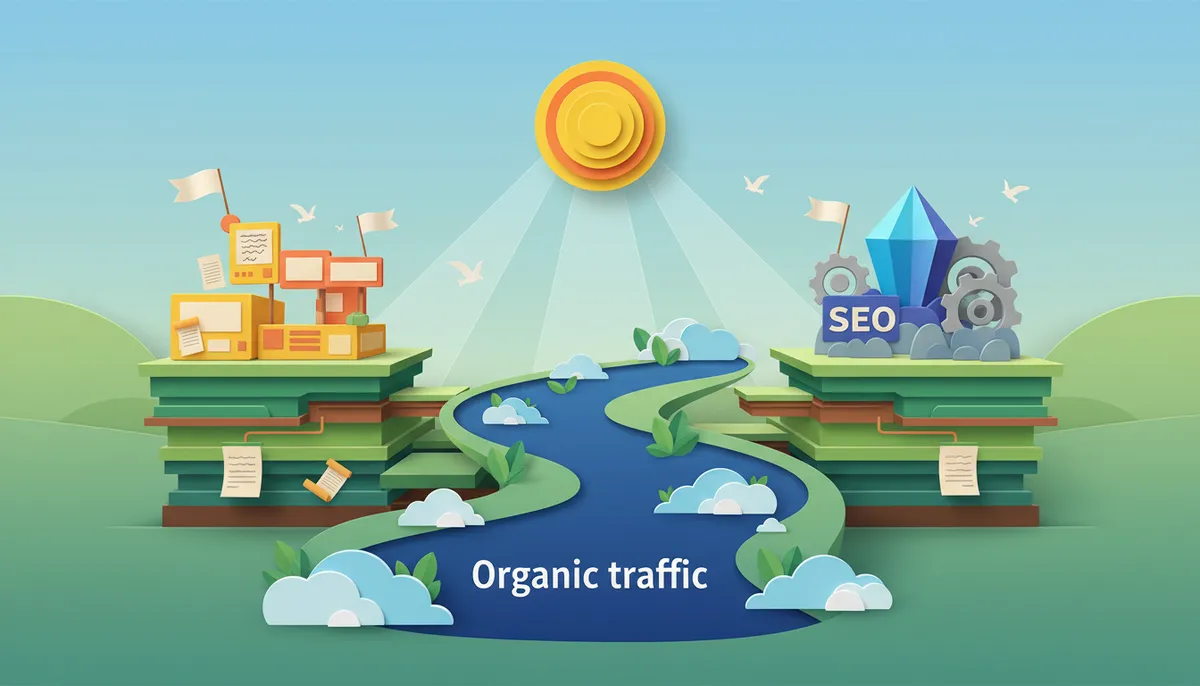
Organic traffic means visitors who find your website through unpaid search results. These are people actively looking for solutions, information, or services that you provide. Unlike paid advertising, organic traffic builds over time and creates lasting value for your business. The best part? Once you rank well, you continue getting visitors without paying for each click.
The foundation of organic traffic still relies on technical SEO. Your website needs fast loading speeds, mobile optimization, clean code, and proper site structure. Search engines crawl and index your pages based on these technical factors. Without this foundation, even the best content won’t rank well. Think of technical SEO as the engine of a car – you need it running smoothly before anything else matters.
However, technical SEO alone won’t drive significant traffic anymore. Google’s algorithms have become incredibly sophisticated at understanding content quality and user intent. They prioritize pages that demonstrate expertise, experience, authority, and trustworthiness. This framework, known as Google E-E-A-T, shapes how content gets ranked and discovered.
The New Search Ecosystem: SEO, GEO, AEO, and LLMs
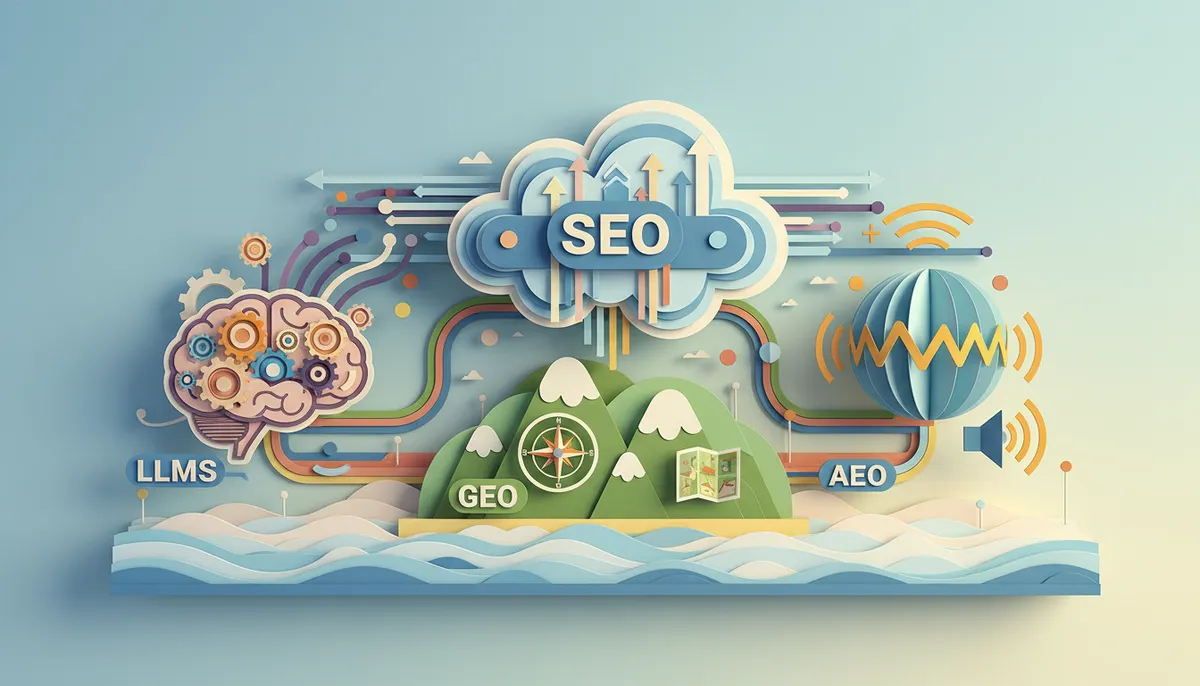
Traditional SEO focuses on ranking in Google’s traditional search results. You optimize titles, meta descriptions, headers, and content for specific keywords. This approach still matters, but it’s only one piece of the puzzle. Search behavior has diversified, with users getting answers from multiple sources beyond standard search results.
Generative Engine Optimization (GEO) targets AI-powered search experiences. When someone asks ChatGPT or Google’s AI Overviews a question, these systems pull information from authoritative sources. Your content needs to be structured and comprehensive enough for AI models to reference it. This means going beyond surface-level answers and providing deep, detailed information.
Answer Engine Optimization (AEO) focuses on featured snippets, knowledge panels, and direct answer boxes. These prominent search features capture user attention before traditional organic results. To optimize for AEO, structure your content with clear questions and concise answers. Use schema markup to help search engines understand your content’s context and purpose.
Why LLMs Matter for Organic Traffic
Large Language Models are transforming how people search for information. Instead of typing keywords into Google, users are asking conversational questions to AI assistants. These models scan vast amounts of content to generate responses. If your content is comprehensive, authoritative, and well-structured, LLMs will reference it when answering related queries.
Creating LLM-friendly content requires a different approach. You need longer, more detailed articles that cover topics exhaustively. Aim for 2,500+ words that address every angle of a subject. Include data, examples, and practical advice. The goal is to become the definitive resource that AI models turn to when generating answers.
|
Optimization Type |
Primary Focus |
Content Length |
Key Strategy |
|---|---|---|---|
|
SEO |
Traditional search rankings |
1,500-2,000 words |
Keyword optimization and backlinks |
|
GEO |
AI-generated responses |
2,500+ words |
Comprehensive topic coverage |
|
AEO |
Featured snippets and direct answers |
Varies |
Clear Q&A structure with concise answers |
|
LLM |
AI assistant references |
2,500+ words |
Authoritative, detailed, well-sourced content |
Content Strategy That Actually Drives Traffic
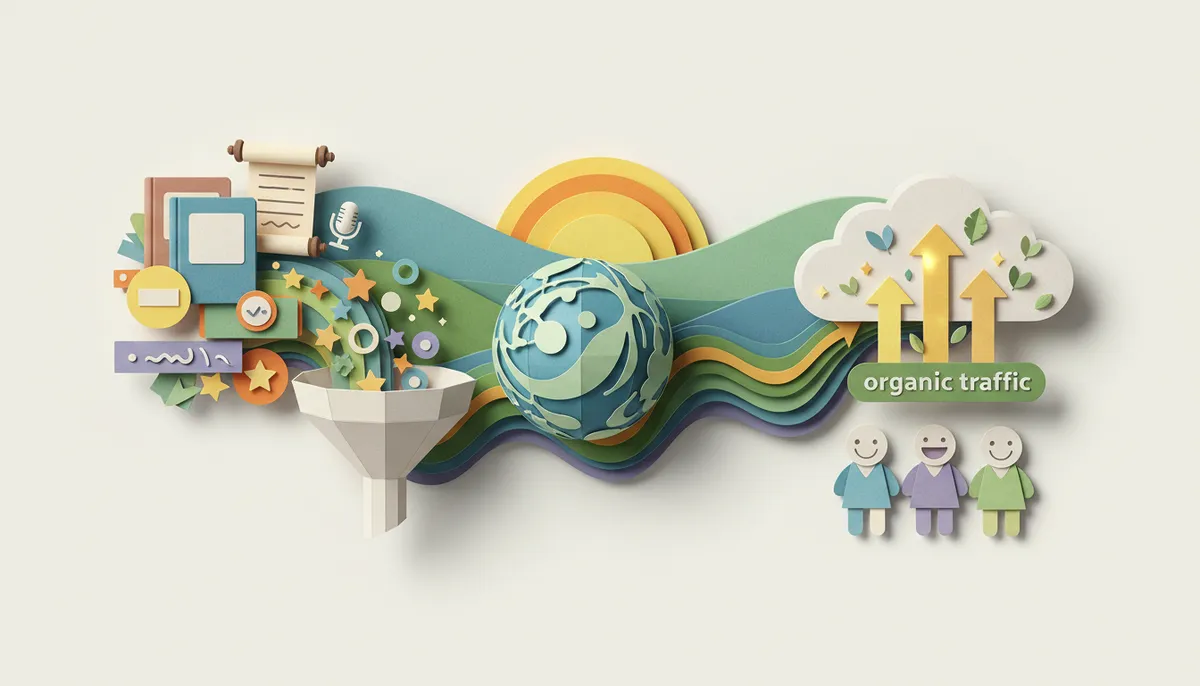
High-quality content remains the most powerful way to generate organic traffic. But what does “high-quality” really mean in 2026? It’s content that solves real problems, answers specific questions, and provides value that readers can’t find elsewhere. Every article should leave your audience feeling informed and empowered to take action.
Start by understanding your audience’s pain points. What questions do they ask? What challenges do they face? What information are they searching for? Build your content strategy around these insights. Create articles, guides, and resources that directly address these needs. When you consistently provide helpful content, search engines notice and reward you with higher rankings.
Content depth matters more than ever. Short, superficial articles rarely rank well anymore. Instead, create comprehensive resources that cover topics thoroughly. Include examples, case studies, step-by-step instructions, and practical tips. The goal is to create content so valuable that other websites naturally want to link to it. This builds the authority signals that search engines use to determine rankings.
The Research Process That Sets You Apart
Before writing a single word, conduct deep research. Analyze what’s already ranking for your target keywords. Look at the top 100 results, not just the top 10. Identify gaps in existing content – topics that aren’t covered thoroughly or questions left unanswered. Your content should fill these gaps and provide more value than anything currently available.
Here’s a proven research process:
-
Search your target keyword and analyze the top 100 results for content depth and structure
-
Identify common themes, questions, and subtopics covered across high-ranking pages
-
Note gaps where existing content falls short or leaves questions unanswered
-
Compile additional related questions from “People Also Ask” and related searches
-
Create a comprehensive content outline that addresses everything your audience needs to know
This research-driven approach ensures your content is genuinely better than what’s currently ranking. Search engines reward content that provides more value, answers more questions, and delivers a superior user experience. If you’re working with a professional content writing services team, they should follow this exact process for every piece they create.

Automation Tools That Scale Your Content Production
Creating comprehensive, well-researched content takes significant time and effort. For businesses that need to publish consistently, manual content creation becomes a bottleneck. This is where smart automation tools become game-changers. They handle the tedious research and writing tasks while maintaining quality standards.
One tool that stands out is SEOrocket.app. It automates the entire content creation process from research to publishing. The platform analyzes the top 100 search results for any keyword, identifies content gaps, and generates comprehensive articles optimized for the entire search ecosystem. This means content that ranks in traditional search results and gets referenced by AI platforms.
What makes SEOrocket.app particularly valuable:
-
Deep Research Capabilities: Analyzes hundreds of ranking pages to ensure your content is more comprehensive than anything else available
-
AI-Driven Writing: Creates long-form articles (2,500+ words) specifically designed to be referenced by LLMs and AI platforms
-
Complete Automation: Handles keyword research, content creation, and direct publishing to your website
-
SEO, GEO, and AEO Optimization: Ensures content is optimized for all modern search formats
-
Time Savings: Reduces content creation time from hours to minutes while maintaining quality
-
Consistency: Enables regular publishing schedules that keep your site fresh and active
When Automation Makes Sense
Automation tools work best for businesses that need to scale content production quickly. If you’re publishing multiple articles per week, manually creating each piece becomes impractical. Automation handles the heavy lifting while you focus on strategy and refinement. However, always review and customize automated content to ensure it matches your brand voice and adds unique insights.
Consider using automation for foundational content like informational articles, guides, and FAQ pages. For more specialized content like case studies, original research, or thought leadership pieces, human expertise remains essential. The best approach combines automated content creation with strategic human oversight and editing.
Technical SEO Foundations You Can’t Ignore
Even the best content won’t drive traffic if your website has technical problems. Search engines need to crawl, index, and understand your pages. Technical issues create barriers that prevent your content from ranking. Before investing heavily in content creation, ensure your technical foundation is solid.
Start with site speed. Pages that load slowly frustrate users and get penalized by search engines. Aim for load times under three seconds. Optimize images, minimize code, use browser caching, and consider a content delivery network (CDN). Fast sites provide better user experiences and consistently rank higher than slow ones.
Mobile optimization is non-negotiable. More than half of all web traffic comes from mobile devices. Your site must work perfectly on smartphones and tablets. Use responsive design that adapts to different screen sizes. Test your site on various devices to ensure everything functions correctly. Google prioritizes mobile-friendly sites in search results.
Essential Technical SEO Checklist
Here are the technical factors that directly impact your organic traffic:
-
Ensure your site has HTTPS encryption for security and trust signals
-
Create and submit an XML sitemap to help search engines discover all your pages
-
Implement proper URL structure with descriptive, keyword-rich slugs
-
Use header tags (H1, H2, H3) correctly to organize content hierarchy
-
Add schema markup to help search engines understand your content type and context
-
Fix broken links, redirect chains, and 404 errors that hurt user experience
If technical SEO feels overwhelming, consider working with experts who specialize in SEO optimization. A professional audit can identify issues you might miss and prioritize fixes that deliver the biggest impact. At Brain Buzz Marketing, we’ve helped businesses resolve technical barriers that were silently killing their organic traffic potential.
Building Authority Through Strategic Link Building
Backlinks remain one of the strongest ranking factors. When authoritative websites link to your content, they signal to search engines that your site is trustworthy and valuable. However, link building has become more sophisticated. Quality matters far more than quantity. A few links from respected sources outweigh dozens from low-quality sites.
The best approach to link building is creating content that naturally attracts links. When you publish comprehensive guides, original research, or unique insights, other websites want to reference your work. This organic link acquisition builds real authority over time. Focus on creating linkable assets – content so valuable that it becomes a natural reference point in your industry.
Here are proven strategies for building quality backlinks:
-
Create original research, surveys, or data analysis that provides unique insights
-
Develop comprehensive guides that become go-to resources in your niche
-
Build relationships with industry publications and contribute guest articles
-
Participate in relevant online communities and provide genuinely helpful answers
-
Reach out to websites that mention your brand without linking and request a link
-
Create visual assets like infographics that others want to share and reference
Local SEO for Location-Based Traffic
If you serve a specific geographic area, local SEO becomes crucial. Local optimization helps you appear in “near me” searches and Google Maps results. This drives highly qualified traffic from people actively looking for services in your area. Local SEO combines traditional optimization with location-specific strategies.
Start by claiming and optimizing your Google Business Profile. This free tool appears in local search results and provides essential business information. Complete every section thoroughly – business hours, services, photos, and description. Encourage satisfied customers to leave reviews. Positive reviews improve your visibility and attract more local customers. You can Visit us on Google to see how an optimized profile looks.
Create location-specific content on your website. If you serve multiple areas, build dedicated pages for each location. Include local keywords naturally in your content, titles, and headers. Mention local landmarks, neighborhoods, and area-specific information. This helps search engines understand your geographic relevance and shows local customers you understand their community.
Local Link Building Strategies
Build local authority through community involvement. Get listed in local business directories, chamber of commerce websites, and industry associations. Sponsor local events or charities and request links from their websites. Partner with other local businesses for cross-promotion opportunities. These local links strengthen your geographic relevance and improve local search rankings.
|
Local SEO Factor |
Impact Level |
Action Required |
|---|---|---|
|
Google Business Profile |
Critical |
Claim, complete, and regularly update |
|
Local Reviews |
High |
Encourage and respond to customer reviews |
|
NAP Consistency |
High |
Ensure name, address, phone match everywhere |
|
Local Content |
Medium |
Create area-specific pages and blog posts |
|
Local Backlinks |
Medium |
Build relationships with local organizations |
Content Distribution Beyond Your Website
Publishing great content on your website is just the beginning. You need to actively distribute and promote that content to maximize its reach. Social media platforms, email marketing, and industry communities all provide opportunities to share your content with wider audiences. Each distribution channel drives additional traffic back to your site.
Social media isn’t just for engagement – it’s a traffic driver. Share your articles on platforms where your audience spends time. Write compelling captions that encourage clicks. Use relevant hashtags to increase discoverability. Connect with us on Facebook, Instagram, and LinkedIn to see how consistent social sharing amplifies content reach.
Email marketing remains one of the highest-ROI channels for content distribution. Build an email list of subscribers interested in your content. Send regular newsletters featuring your latest articles. Personalize emails based on subscriber interests and behavior. Email drives engaged traffic – people who already know your brand and are interested in what you offer.
Measuring and Improving Your Organic Traffic
You can’t improve what you don’t measure. Set up proper analytics to track your organic traffic performance. Google Analytics and Google Search Console provide essential insights into how people find and interact with your site. Monitor key metrics like organic sessions, bounce rate, time on page, and conversions. These numbers tell you what’s working and what needs improvement.
Focus on metrics that matter for business growth:
-
Track total organic sessions to understand overall traffic trends
-
Monitor rankings for your target keywords to gauge SEO effectiveness
-
Analyze pages per session to see if visitors explore your site
-
Measure conversion rates to ensure traffic translates to business results
-
Review top-performing content to identify successful topics and formats
Regular performance reviews help you refine your strategy. Identify content that ranks well and drives traffic. Create more content on similar topics. Find pages that underperform and determine why. Sometimes small tweaks – better titles, improved content, additional keywords – can dramatically improve results. Organic traffic growth is an iterative process of testing, measuring, and optimizing.
Common Mistakes That Kill Organic Traffic
Avoid these critical errors that undermine your organic traffic efforts:
-
Publishing thin, low-quality content just to meet publishing schedules
-
Ignoring mobile optimization when most traffic comes from smartphones
-
Neglecting technical SEO issues that prevent proper indexing
-
Focusing only on high-competition keywords instead of targeting long-tail variations
-
Failing to update old content that becomes outdated or loses rankings
-
Not building internal links that help search engines understand site structure
Working with Professional Digital Marketing Partners
Building sustainable organic traffic requires expertise, time, and consistent effort. Many businesses struggle to maintain the necessary focus while running day-to-day operations. This is where partnering with experienced digital marketing professionals makes sense. The right partner brings specialized knowledge, proven strategies, and dedicated resources to your organic traffic goals.
At Brain Buzz Marketing, we’ve specialized in driving organic traffic since 1998. As a husband-and-wife team, we provide personalized attention and expertise without the overhead of large agencies. We focus on the strategies that actually work – comprehensive content optimization for SEO, GEO, AEO, and LLMs. Our approach combines technical excellence with content that genuinely helps your audience and builds lasting authority.
We handle everything from website design to ongoing content strategy and optimization. Because we’re a small, selective team, every client receives dedicated attention and customized strategies. We don’t believe in cookie-cutter approaches. Your business is unique, and your organic traffic strategy should reflect that. Learn more about brain buzz marketing and how we’ve helped businesses transform their online visibility.
Taking Action on Your Organic Traffic Strategy
The best way to get organic traffic in 2026 is through a comprehensive approach that goes beyond traditional SEO. You need content optimized for the entire search ecosystem – traditional search engines, AI platforms, answer engines, and language models. This requires in-depth research, comprehensive content creation, technical optimization, and strategic distribution.
Start by auditing your current situation. Where does your website stand technically? What content do you already have? What topics should you cover? Identify the biggest opportunities for improvement. Then prioritize actions that will deliver the most impact. For most businesses, this means investing in high-quality, comprehensive content that provides real value to readers.
Consider using tools like SEOrocket.app to scale your content production efficiently. Automation helps you publish consistently while maintaining quality standards. Combine automated content creation with strategic oversight to ensure everything aligns with your brand and business goals. Regular publishing keeps your site active and provides more opportunities to rank for valuable keywords.
Remember that organic traffic growth takes time. You won’t see results overnight. Search engines need time to discover, crawl, and rank your content. Building authority happens gradually as you consistently publish valuable content and earn backlinks. Stay patient and persistent. The businesses that win at organic traffic are those that maintain consistent effort over months and years.
Ready to transform your organic traffic and build sustainable growth for your business? The strategies we’ve covered work, but implementing them correctly requires expertise and dedication. If you want professional guidance and proven strategies tailored to your specific situation, we’re here to help. Contact us today to discuss how we can help you dominate organic search and drive qualified traffic that converts into customers.
FAQs
Q: How long does it take to see results from organic traffic efforts?
A: Most businesses start seeing measurable organic traffic improvements within 3-6 months of consistent optimization efforts. However, significant growth typically takes 6-12 months as search engines need time to crawl your content, evaluate your authority, and adjust rankings. The key is maintaining consistent effort – publishing quality content regularly, building backlinks gradually, and continuously improving your technical foundation.
Q: What’s the difference between SEO and GEO?
A: SEO (Search Engine Optimization) focuses on ranking in traditional search results on platforms like Google. GEO (Generative Engine Optimization) targets AI-powered search experiences where platforms like ChatGPT or Google’s AI Overviews reference your content when generating answers. While SEO emphasizes keywords and backlinks, GEO requires more comprehensive, authoritative content that AI models can confidently cite as reliable sources.
Q: Do I need to hire an agency or can I handle organic traffic myself?
A: You can handle organic traffic yourself if you have the time, expertise, and resources to stay current with search algorithm changes. However, most businesses benefit from professional help because effective organic traffic generation requires specialized knowledge in technical SEO, content strategy, link building, and analytics. An experienced agency brings proven strategies and dedicated focus that accelerates results while you concentrate on running your business.
Q: How much content should I publish to grow organic traffic?
A: Quality matters more than quantity, but consistency is essential. Aim to publish at least 2-4 comprehensive articles per month (2,000+ words each) rather than many short posts. Comprehensive content that thoroughly covers topics performs better than numerous shallow pieces. If you can maintain higher publishing frequency while preserving quality, that’s even better. The key is finding a sustainable pace you can maintain long-term.
Q: What role do backlinks play in getting organic traffic?
A: Backlinks remain one of the strongest ranking factors for organic traffic. Quality links from authoritative websites signal to search engines that your content is trustworthy and valuable. Focus on earning natural backlinks by creating genuinely useful content that others want to reference. A few high-quality links from respected sources will drive more traffic than dozens of low-quality links from questionable websites.