Key Takeaways
- SEO is crucial for organic website visibility, focusing on creating valuable content, improving website speed, and building authoritative backlinks.
- PPC advertising offers immediate, targeted results by allowing precise audience targeting and measurable ROI through strategic keyword bidding.
- Content marketing builds brand authority by providing valuable, problem-solving information across multiple formats like blogs, videos, and podcasts.
- Social media marketing enables direct customer engagement and community building across platforms tailored to specific audience demographics.
- Email marketing remains the highest ROI digital channel, delivering personalized communication that nurtures leads and drives conversions.
- Website design and mobile optimization are critical for creating user-friendly digital experiences that convert visitors into customers.
In today’s connected world, digital marketing has become the lifeline for businesses seeking to thrive in an increasingly competitive landscape. Whether you’re scrolling through social media, searching for products on Google, or opening promotional emails, you’re experiencing digital marketing in action. But what exactly is digital marketing, and why has it become the cornerstone of modern business strategy? Digital marketing encompasses all marketing efforts that use electronic devices or the internet to connect brands with potential customers. Unlike traditional marketing methods that rely on billboards, print ads, and TV commercials, digital marketing leverages online channels like search engines, social media platforms, email, and websites to reach audiences where they spend most of their time—on digital devices. For small businesses and enterprises alike, understanding digital marketing isn’t just helpful; it’s essential for survival in the digital age.
1. Search Engine Optimization: The Foundation of Digital Visibility
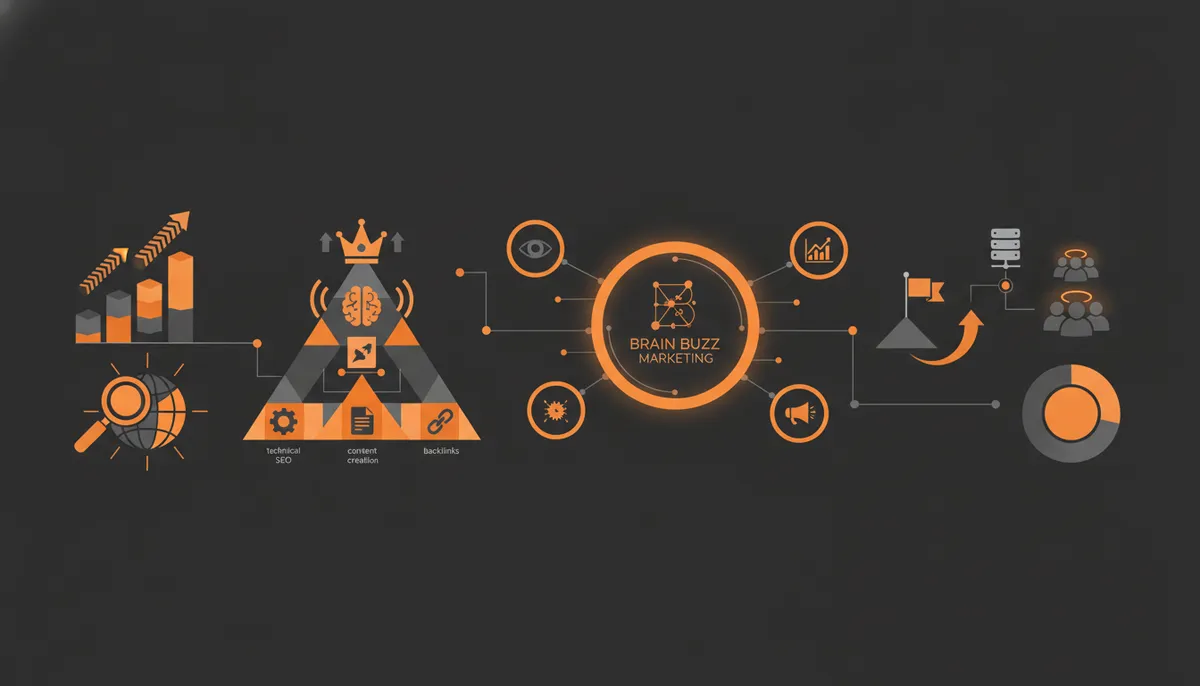
Search Engine Optimization (SEO) stands as the cornerstone of any successful digital marketing strategy. When potential customers search for products or services related to your business, you want your website to appear at the top of search results. SEO involves optimizing your website’s content, structure, and technical elements to rank higher in search engines like Google. This organic approach to visibility doesn’t require paying for ads; instead, it focuses on creating valuable content that answers user queries, improving website speed, ensuring mobile-friendliness, and building authoritative backlinks. The beauty of SEO lies in its long-term value—once you achieve strong rankings, you can maintain consistent traffic without continuous advertising spend. Brain Buzz Marketing specializes in SEO strategies that help businesses climb search rankings and capture valuable organic traffic that converts into customers.
2. Pay-Per-Click Advertising: Immediate Results and Targeted Reach
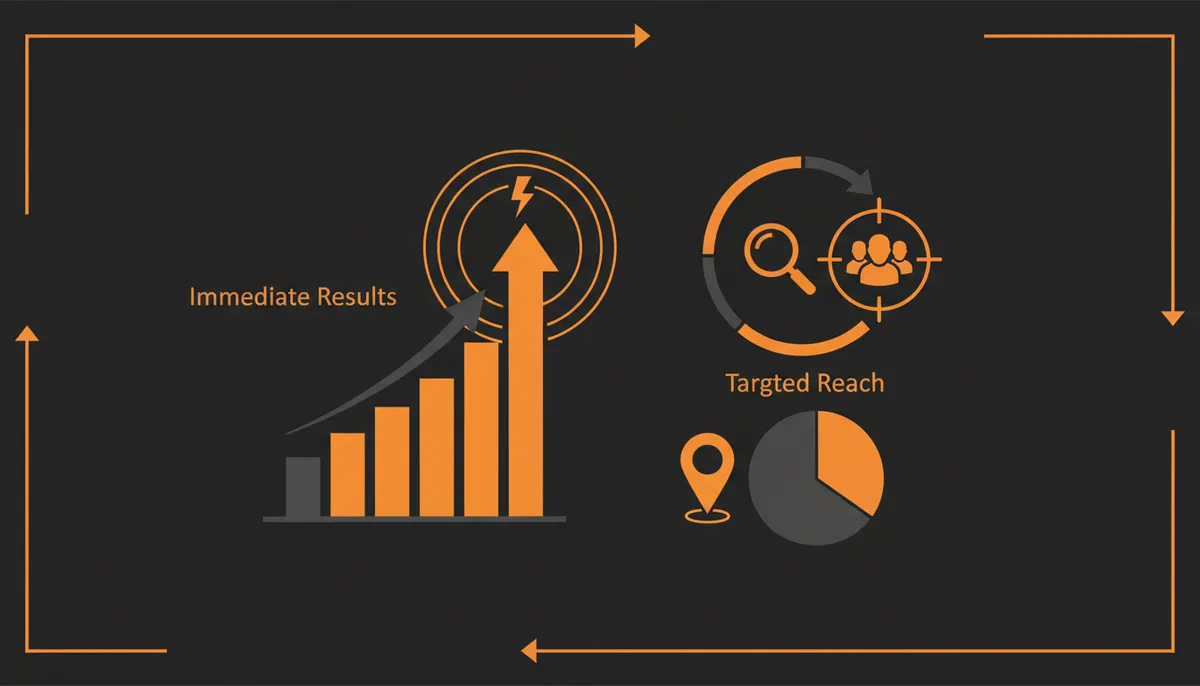
While SEO builds long-term visibility, Pay-Per-Click (PPC) advertising delivers immediate results by placing your business at the top of search results and across digital platforms. PPC campaigns, like Google Ads, allow you to bid on keywords relevant to your business and only pay when someone clicks on your ad. This model offers incredible precision—you can target specific demographics, locations, interests, and even times of day to reach your ideal customers. The measurable nature of PPC means you can track exactly how much you’re spending per click, per conversion, and calculate your return on investment down to the penny. For businesses seeking quick wins while building their SEO foundation, PPC provides the perfect complement, driving qualified traffic and generating leads from day one.
Maximizing PPC Campaign Performance
Successful PPC campaigns require continuous monitoring and optimization. By analyzing keyword performance, adjusting bids, refining ad copy, and testing landing pages, businesses can dramatically improve their cost-per-acquisition and conversion rates. The key is understanding your audience’s search intent and crafting compelling ads that speak directly to their needs, with clear calls-to-action that guide them toward conversion.
3. Content Marketing: Building Authority Through Value
Content marketing represents the strategic creation and distribution of valuable, relevant content designed to attract and engage a clearly defined audience. Rather than directly promoting products or services, content marketing focuses on providing information that solves problems, answers questions, or entertains your target audience. This approach builds trust and establishes your brand as an industry authority. Blog posts, videos, infographics, podcasts, ebooks, and webinars all fall under the content marketing umbrella. The effectiveness of content marketing stems from its ability to support every other digital marketing channel—SEO relies on quality content, social media needs shareable content, and email campaigns distribute content to nurture leads. According to Google E-E-A-T principles, demonstrating expertise, experience, authoritativeness, and trustworthiness through content has become critical for online success.
4. Social Media Marketing: Engaging Communities Where They Gather
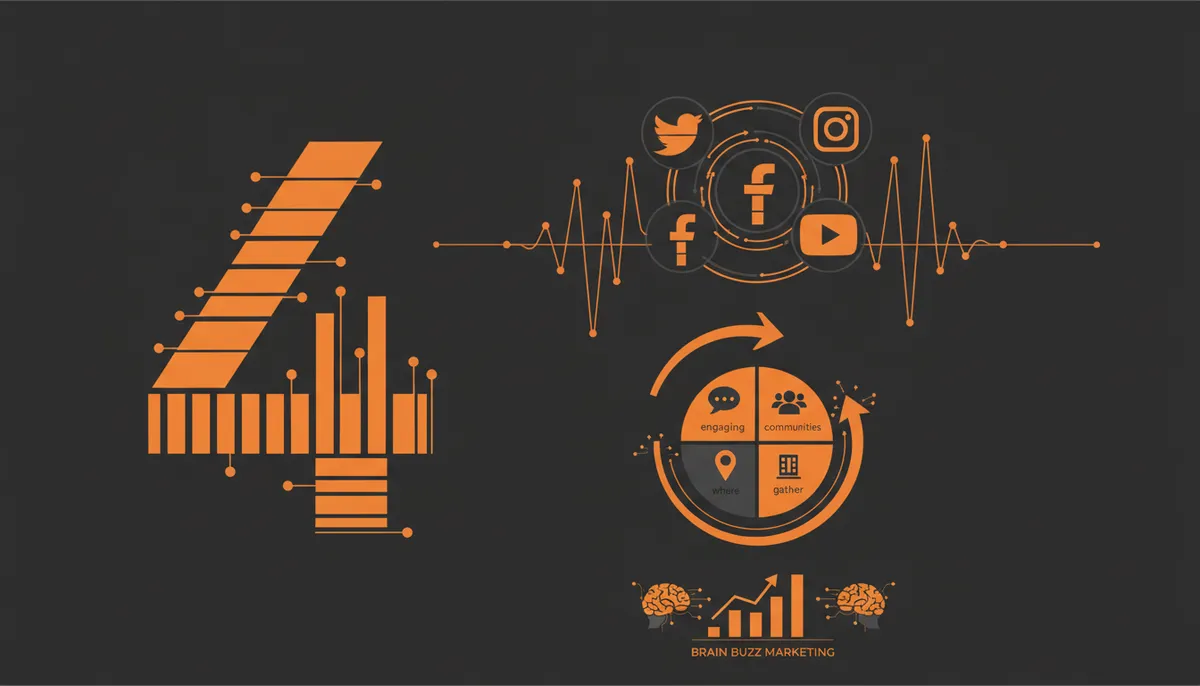
Social media platforms have transformed from simple networking sites into powerful marketing ecosystems where brands can build communities, engage customers, and drive business results. With billions of active users across platforms like Facebook, Instagram, LinkedIn, Twitter, and TikTok, social media marketing offers unparalleled access to diverse audiences. The interactive nature of these platforms allows for two-way communication that traditional marketing could never achieve—customers can comment, share, and directly message brands, creating relationships that foster loyalty and advocacy. Successful social media marketing balances promotional content with valuable, entertaining, and educational posts that resonate with your audience’s interests and values. The ability to target specific demographics with paid social advertising makes these platforms invaluable for reaching new customers while nurturing existing relationships.
Choosing the Right Social Platforms
Not every social platform suits every business. B2B companies often find greater success on LinkedIn, while visual brands thrive on Instagram and Pinterest. Understanding where your target audience spends time and tailoring content to each platform’s unique culture and format maximizes your social media ROI and engagement rates.
5. Email Marketing: The Highest ROI Channel
Despite predictions of its demise, email marketing continues to deliver the highest return on investment of any digital marketing channel. For every dollar spent on email marketing, businesses see an average return of $36-$42, making it incredibly cost-effective. Email allows you to communicate directly with customers who have expressed interest in your brand by subscribing to your list. Through segmentation and personalization, you can send targeted messages that speak to specific customer needs, behaviors, and stages in the buyer’s journey. Welcome sequences nurture new subscribers, promotional campaigns drive sales, and newsletter content keeps your brand top-of-mind. The key to successful email marketing lies in providing value that justifies your presence in subscribers’ inboxes—helpful tips, exclusive offers, and relevant updates that recipients actually want to receive.
6. Website Design and User Experience: Your Digital Storefront
Your website serves as your digital headquarters—the central hub where all marketing efforts ultimately drive traffic. A professionally designed website that prioritizes user experience can dramatically improve conversion rates and business outcomes. Modern consumers expect fast-loading pages, mobile-responsive design, intuitive navigation, and clear calls-to-action that guide them seamlessly toward purchase or contact. Poor website design costs businesses countless opportunities as frustrated visitors abandon slow, confusing, or outdated sites. Brain Buzz Marketing’s website design services focus on creating custom sites that not only look stunning but also function flawlessly to convert visitors into customers through strategic layout, compelling copy, and conversion-optimized elements.
Mobile Optimization: No Longer Optional
With mobile devices accounting for over 60% of web traffic, mobile optimization has become mandatory rather than optional. Responsive design ensures your website adapts perfectly to any screen size, providing an excellent user experience whether visitors browse on smartphones, tablets, or desktops. Google also prioritizes mobile-friendly sites in search rankings, making mobile optimization crucial for both user satisfaction and SEO performance.
7. Analytics and Data-Driven Decision Making
One of digital marketing’s greatest advantages over traditional marketing is the ability to measure everything. Analytics tools like Google Analytics, social media insights, and marketing automation platforms provide detailed data about who visits your site, how they found you, which content they engage with, and what actions they take. This wealth of information enables data-driven decision making that continuously improves marketing performance. By analyzing metrics like traffic sources, bounce rates, conversion rates, and customer lifetime value, businesses can identify what’s working and what needs adjustment. In 2025, data analysis has become a top priority for small businesses seeking to maximize their marketing investments and improve customer targeting.
8. Marketing Automation: Scaling Personalization
Marketing automation tools have revolutionized how businesses nurture leads and maintain customer relationships at scale. These platforms allow you to create automated workflows that send personalized messages based on specific triggers or behaviors. When someone downloads an ebook from your site, automation can trigger a welcome email sequence. When a customer abandons a shopping cart, automation sends reminder emails with incentives to complete the purchase. This technology enables small teams to deliver personalized experiences that feel human while serving thousands of customers simultaneously. Automation doesn’t replace human connection—it enhances it by handling repetitive tasks and ensuring consistent follow-up that might otherwise fall through the cracks.
9. Video Marketing: Capturing Attention in Engaging Formats
Video content has exploded in popularity, becoming one of the most engaging and effective digital marketing formats. From short-form videos on TikTok and Instagram Reels to longer educational content on YouTube, video allows brands to demonstrate products, explain complex concepts, share customer testimonials, and tell compelling stories that resonate emotionally with audiences. The human brain processes visual information 60,000 times faster than text, making video incredibly effective for capturing attention and conveying messages quickly. Live streaming adds another dimension, creating real-time engagement opportunities through Q&A sessions, product launches, and behind-the-scenes glimpses that build authentic connections with audiences.
10. Influencer and Affiliate Marketing: Leveraging Trusted Voices
Influencer marketing taps into the trust and authority that content creators have built with their audiences. Rather than marketing directly to consumers, brands partner with influencers whose followers match their target demographic. These partnerships feel more authentic than traditional advertising because recommendations come from trusted voices rather than corporate messages. Similarly, affiliate marketing creates performance-based partnerships where affiliates earn commissions for driving sales or leads to your business. Both approaches extend your reach into established communities and leverage social proof—the psychological principle that people trust recommendations from others more than self-promotion from brands.
Micro-Influencers and Niche Audiences
While mega-influencers command large followings, micro-influencers with smaller, highly engaged audiences often deliver better results for businesses. Their recommendations carry greater weight within specific niches, and partnerships typically cost less while generating higher engagement rates and more qualified leads for specialized products or services.
11. Artificial Intelligence and Personalization: The Future Is Now
Artificial intelligence has moved from future promise to present reality in digital marketing. AI-powered tools now optimize ad bidding in real-time, personalize website experiences for individual visitors, generate content suggestions, analyze customer sentiment, and predict future behaviors based on historical data. Chatbots powered by AI provide instant customer service 24/7, answering common questions and qualifying leads before human representatives get involved. Personalization driven by AI allows businesses to deliver uniquely tailored experiences that speak directly to individual preferences and needs. As AI technology continues advancing, businesses that embrace these tools gain competitive advantages through improved efficiency, better customer experiences, and more effective targeting.
Understanding Digital Marketing Strategy Integration
The true power of digital marketing emerges when various channels work together in an integrated strategy. SEO-optimized content attracts organic traffic, social media builds awareness and community, email nurtures leads toward conversion, PPC captures high-intent searchers, and analytics inform continuous improvement across all channels. This interconnected approach creates multiple touchpoints that guide potential customers through their journey from awareness to purchase and beyond. Brain Buzz Marketing’s digital marketing services take a holistic approach, coordinating efforts across channels to create synergies that amplify results beyond what any single tactic could achieve alone.
The Competitive Advantages of Digital Marketing
Digital marketing offers several distinct advantages that explain its dominance in modern business strategy. First, it levels the playing field—small businesses can compete with large corporations through strategic targeting and creative content rather than massive advertising budgets. Second, it provides unprecedented targeting precision, allowing businesses to reach specific demographics, interests, behaviors, and even life events with relevant messages. Third, digital marketing delivers measurable results in real-time, enabling quick adjustments that optimize performance and prevent wasted spending. Fourth, it facilitates direct customer relationships through interactive channels that build loyalty and generate valuable feedback. Finally, digital marketing proves more cost-effective than traditional marketing, delivering higher returns on investment through efficient targeting and performance-based pricing models.
Getting Started With Digital Marketing in 2025
For businesses new to digital marketing, the array of channels and tactics can feel overwhelming. The key is starting with fundamentals while maintaining focus on your specific business goals and target audience. Begin by establishing a professional website that clearly communicates your value proposition and includes clear calls-to-action. Implement basic SEO practices to improve visibility in search results. Create social media profiles on platforms where your customers spend time. Start building an email list and nurturing subscribers with valuable content. Track everything through analytics to understand what drives results for your unique business. As you gain experience and see results, expand into additional channels and tactics that align with your goals. The most important step is simply beginning—digital marketing success comes through consistent effort, learning, and adaptation rather than perfection from day one.
Common Digital Marketing Mistakes to Avoid
Understanding common pitfalls helps businesses avoid costly mistakes as they develop their digital marketing programs. Many businesses spread themselves too thin by trying to maintain presence across too many channels simultaneously—focus beats fragmentation. Others neglect mobile optimization despite most users accessing content on smartphones. Some businesses create content without understanding their audience’s needs, resulting in messages that don’t resonate. Ignoring analytics represents another critical mistake, as data provides the insights needed for improvement. Finally, expecting immediate results leads to premature strategy abandonment—digital marketing, particularly SEO and content marketing, requires patience as compounding effects build over time. Success comes from strategic focus, continuous optimization, and commitment to long-term growth rather than quick-fix mentality.
The Role of Professional Digital Marketing Services
While businesses can implement digital marketing tactics independently, professional services accelerate results and avoid common pitfalls. Digital marketing agencies bring specialized expertise across multiple disciplines, staying current with algorithm changes, platform updates, and emerging best practices that busy business owners struggle to monitor. They provide objective perspectives that identify blind spots and opportunities internal teams might miss. Perhaps most importantly, agencies deliver consistent execution—digital marketing success requires sustained effort, and professional teams ensure strategies receive the attention needed for results. For businesses serious about growth, partnering with experienced professionals like Brain Buzz Marketing provides strategic guidance, technical expertise, and reliable execution that transforms digital presence into measurable business outcomes.
Measuring Digital Marketing Success
Effective measurement separates successful digital marketing from wasted effort. Key performance indicators (KPIs) vary by business goals but typically include website traffic volume and sources, conversion rates, cost per acquisition, customer lifetime value, email open and click-through rates, social media engagement metrics, and search ranking positions for target keywords. The most important metric is return on investment—the revenue generated compared to marketing costs. Advanced measurement involves attribution modeling that identifies which touchpoints contribute to conversions throughout the customer journey. Regular reporting and analysis reveal trends, validate strategies, and highlight areas requiring adjustment. Remember that different channels serve different purposes—brand awareness campaigns succeed through reach and engagement, while conversion campaigns focus on sales and leads. Align your measurements with specific objectives for each initiative rather than applying uniform success criteria across all activities.
Emerging Trends Shaping Digital Marketing’s Future
Digital marketing continues evolving rapidly as technology advances and consumer behaviors shift. Voice search optimization grows increasingly important as smart speakers and voice assistants proliferate in homes. Privacy-focused marketing adapts to cookie deprecation and stricter data regulations while maintaining personalization. Interactive content like quizzes, calculators, and augmented reality experiences drive engagement beyond passive consumption. Sustainability and ethical marketing resonate with consumers increasingly concerned about corporate values and environmental impact. Short-form video content continues dominating attention on platforms like TikTok and Instagram Reels. Conversational marketing through chatbots and messaging apps provides immediate engagement that modern consumers expect. Businesses that stay ahead of these trends position themselves for continued relevance and competitive advantage in the ever-changing digital landscape.
Conclusion: Embracing Digital Marketing for Business Growth
Digital marketing has fundamentally transformed how businesses connect with customers, build brands, and drive growth. From SEO and PPC to social media and content writing services, the digital marketing toolkit offers powerful channels that deliver measurable results and authentic customer relationships. The businesses thriving today are those that embrace digital marketing not as optional enhancement but as central business strategy. Whether you’re a small business owner taking first steps into digital marketing or a marketing manager optimizing sophisticated campaigns, the principles remain consistent: understand your audience, provide genuine value, measure everything, and continuously adapt based on results. The digital landscape rewards those who commit to strategic, consistent effort guided by data and customer insights. Ready to transform your digital presence and convert more visitors into customers? Get in touch with our team to discover how comprehensive digital marketing strategies can accelerate your business growth. You can also visit us on Google to see what our satisfied clients have to say about the results we’ve delivered for their businesses.
FAQs
Q: What are the main types of digital marketing?
A: The main types of digital marketing include Search Engine Optimization (SEO), Pay-Per-Click advertising (PPC), content marketing, social media marketing, email marketing, and website design. Each channel serves specific purposes—SEO builds organic visibility, PPC delivers immediate results, content establishes authority, social media builds community, email nurtures relationships, and websites convert visitors into customers. Successful strategies integrate multiple channels for maximum impact.
Q: How does digital marketing differ from traditional marketing?
A: Digital marketing differs from traditional marketing in several key ways: it’s measurable in real-time, allows precise audience targeting based on demographics and behaviors, costs less while delivering higher ROI, enables two-way communication between brands and customers, and can be adjusted quickly based on performance data. Traditional marketing relies on billboards, print ads, and TV commercials with limited targeting and measurement capabilities, while digital marketing uses online channels like search engines, social media, and email for more efficient, interactive customer engagement.
Q: What are the benefits of digital marketing for small businesses?
A: Digital marketing levels the playing field for small businesses by allowing them to compete with larger competitors through strategic targeting rather than massive budgets. It provides cost-effective customer acquisition, precise audience targeting, measurable results that optimize spending, direct customer relationships through interactive channels, and scalability that grows with your business. Small businesses can start with modest investments in SEO and social media, then expand as they see results, making digital marketing accessible regardless of company size.
Q: How do businesses measure the success of digital marketing campaigns?
A: Businesses measure digital marketing success through key performance indicators (KPIs) including website traffic volume and sources, conversion rates, cost per acquisition, customer lifetime value, email open and click-through rates, social media engagement, and search ranking positions. The most critical metric is return on investment (ROI)—revenue generated compared to marketing costs. Analytics tools like Google Analytics provide detailed data that reveals which strategies drive results, enabling continuous optimization and improved performance over time.
Q: What role does SEO play in digital marketing?
A: SEO serves as the foundation of digital marketing by improving your website’s visibility in search engine results for relevant keywords. It drives organic traffic without ongoing advertising costs, builds long-term sustainable visibility, and attracts highly qualified visitors actively searching for your products or services. Effective SEO involves optimizing website content, improving technical performance, ensuring mobile-friendliness, and building authoritative backlinks. Unlike paid advertising that stops delivering results when you stop paying, strong SEO provides compounding returns that continue generating traffic and conversions over time.