Key Takeaways
-
A professional logo directly impacts marketing performance across all channels—poor logo design can reduce click-through rates on paid ads, increase bounce rates on websites, and undermine SEO by eroding visitor trust before conversion opportunities arise.
-
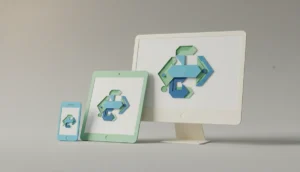
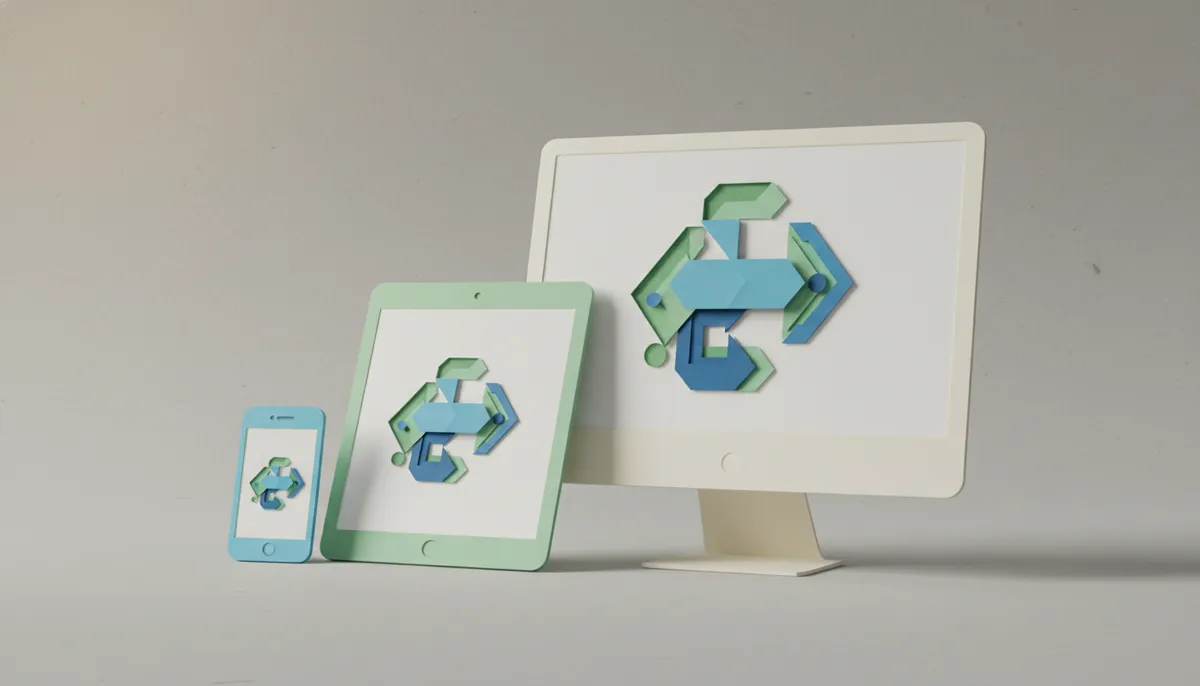
Your logo must be designed specifically for digital use with scalability, clarity, and mobile compatibility in mind—it needs to look sharp as a tiny favicon, social media thumbnail, and large website header without quality loss.
-
Simplicity, color psychology, and versatility are essential: choose simple designs that scale across formats, select colors aligned with your brand message (blue for trust, green for growth), and ensure your logo works in full color, black and white, and on both light and dark backgrounds.
-
Request logos delivered in vector formats like SVG and PNG with transparent backgrounds—avoid raster-only files like JPEG that lose quality when scaled, and ensure your designer provides all necessary web and print file formats.
-
Invest in logo design at the start of your business journey rather than rebranding later—getting it right from the beginning saves significant time and money while ensuring consistency across your website, social media, ads, and email templates.
-
Avoid trendy designs that may look dated in two years, overly complex logos that fail on small screens, and inconsistent logo usage across platforms—aim for timeless, modern designs that maintain consistent colors and layouts everywhere your brand appears.
Your logo is often the first thing a potential customer sees. It appears on your website, your social media profiles, your Google Business listing, and every digital ad you run. In the crowded online marketplace of 2026, a strong logo is not just a nice visual — it is a core piece of your digital marketing strategy. If your logo looks outdated, generic, or unprofessional, it can quietly cost you customers before you even have a chance to speak to them.
Many small business owners and startups underestimate the connection between logo design and marketing performance. A well-crafted logo builds trust, reinforces brand recognition, and improves the overall effectiveness of every marketing channel you invest in. From your website design to your paid ads, your logo is the anchor of your brand identity online.
What Is Logo Design in a Digital Marketing Context?
Logo design in digital marketing goes far beyond just picking a font and a color. It is the process of creating a visual symbol that communicates your brand’s values, personality, and professionalism at a glance. In the digital world, your logo must work across many formats — small favicon icons, large website headers, social media thumbnails, Google Ads banners, and email signatures.
A logo built for digital use is designed with scalability and clarity in mind. It needs to look sharp at any size and on any screen. It also needs to load quickly and display correctly on mobile devices, tablets, and desktops. This is why logo design in the digital marketing space is treated as a technical and strategic asset, not just a creative exercise.
Why Logo Design Directly Impacts Your Marketing Results
Every dollar you spend on Google Ads, SEO, or content marketing is influenced by your logo. Here is why logo design has such a direct impact on your overall marketing performance.
Brand Recognition and Trust
Customers need multiple touchpoints before they decide to buy. When they see your logo consistently across your website, social media, and ads, it builds familiarity. Familiarity builds trust. Trust leads to conversions. A recognizable, professional logo helps tie all your marketing channels together into a cohesive brand experience.
Research in brand perception consistently shows that consumers are more likely to engage with businesses that appear polished and credible. According to principles outlined by Google E-E-A-T, demonstrating trustworthiness and authority is critical not just for search rankings, but for winning customer confidence online.
Performance on Paid Advertising
When you run Google Ads or display advertising campaigns, your visual branding — including your logo — plays a role in click-through rates. A clean, professional logo in an ad tells the viewer that this is a legitimate business worth clicking on. A poorly designed logo can trigger subconscious doubt and cause users to scroll past your ad entirely, wasting your ad budget.
For e-commerce retailers and local service providers running paid campaigns, this distinction is especially important. Every impression counts when you are paying per click. You can explore how to run Google Ads that actually drive results to see how branding ties into ad performance.
SEO and Website Credibility
Your logo also affects your SEO indirectly. When visitors land on your website and see a clean, professional design anchored by a strong logo, they are more likely to stay on the page longer. Lower bounce rates and higher engagement send positive signals to search engines. A poorly designed or missing logo can erode trust and cause visitors to leave quickly, which can negatively impact your search rankings over time.

Key Elements of an Effective Digital Logo Design
Not all logos are created equal. A logo that works well in print may fail in the digital space. Below are the essential elements that make a logo effective for digital marketing purposes.
- Simplicity: Simple logos are easier to recognize and remember. They also scale better across different screen sizes and digital formats.
- Color psychology: Colors communicate emotions and values. Blue suggests trust and professionalism. Green evokes growth and health. Red signals urgency or passion. Choose colors that align with your brand message.
- Typography: The font in your logo sets a tone. Serif fonts feel traditional and established. Sans-serif fonts feel modern and clean. Script fonts feel personal and creative.
- Versatility: Your logo must work in full color, black and white, and on both light and dark backgrounds without losing its impact.
- File formats: A digital-ready logo should be delivered in SVG, PNG (transparent background), and other formats suitable for web use.
- Favicon compatibility: Your logo or a simplified version of it should be legible as a tiny browser tab icon.
How Logo Design Fits Into Your Overall Digital Strategy
Think of your logo as the cornerstone of your entire digital presence. Every other element — your website layout, your ad creative, your social media graphics, your email templates — should be built around your logo. This consistency is what creates a professional brand experience that customers remember and trust.
For startups, getting this right from the beginning saves significant time and money. Rebranding after you have already built a website, created social media profiles, and run advertising campaigns is costly and disruptive. Investing in quality logo design at the start of your digital marketing journey sets a strong foundation for everything that follows. You can see examples of professional work at the Logo Designs page.
Logo Design and Social Media Marketing
Social media platforms like Instagram and Facebook are highly visual environments. Your logo needs to look sharp as a profile picture, in the corner of every post you share, and in any paid social ads you run. A pixelated or awkward logo on a social media profile immediately signals an unprofessional business. You can follow Brain Buzz Marketing on Instagram to see how consistent branding is applied across digital channels.
For local service providers and marketing managers building a social media presence, your logo is the face of your brand in every interaction. It needs to be immediately identifiable and communicate the right message without any text required.
Logo Design and Your Website
Your logo should be prominently placed in the header of your website and repeated in the footer. It is the first thing visitors see, and it sets the tone for everything else on the page. A logo that clashes with your website’s color palette or feels mismatched with your content will undermine the credibility of even the best-written copy or most optimized pages.
If you are building or redesigning a website, the logo design process should happen in parallel with your web design principles decisions. Your design team should know your brand colors, font preferences, and visual identity before a single webpage layout is created.
Steps to Get a Professional Logo Designed for Digital Marketing
- Define your brand identity: Before you talk to a designer, document your brand values, target audience, tone of voice, and what makes your business unique.
- Research visual inspiration: Collect logos and design styles that you find appealing and relevant to your industry. This gives your designer a clear direction to work from.
- Choose a professional designer or agency: Work with a team that understands digital marketing requirements — not just graphic design. Your logo needs to function across all digital touchpoints.
- Review and test across platforms: Before finalizing, test your logo on your website mockup, as a social media profile picture, in a Google Ads banner, and as a favicon to ensure it works in every context.
- Receive complete file deliverables: Ensure you receive your final logo in all necessary formats including SVG, PNG with transparent background, and any other files required for web and print use.
Common Logo Design Mistakes to Avoid in Digital Marketing
Many businesses make avoidable mistakes when creating their logos for digital use. Being aware of these pitfalls will save you time, money, and a potential rebrand down the road.
- Using raster-only files: Logos saved only as JPEG or low-resolution PNG files lose quality when scaled up. Always request vector file formats like SVG or AI.
- Too many design elements: Overly complex logos look cluttered on small screens and are difficult to recognize at a glance.
- Ignoring mobile display: A logo that looks great on a desktop may appear tiny and unreadable on a mobile device. Mobile-first design is essential in 2026.
- Trendy over timeless: Design trends come and go. A logo that feels very current today may look dated in two years. Aim for a balance of modern and timeless.
- Inconsistent usage: Using different versions, colors, or layouts of your logo across platforms creates a fragmented brand experience and undermines trust.
How Brain Buzz Marketing Approaches Logo Design
At Brain Buzz Marketing, logo design is treated as an integral part of a complete digital marketing strategy. The agency, led by husband-and-wife team Eric and Nicole, has been delivering high-quality digital branding and marketing solutions since 1998. The approach is simple: a logo should not just look good — it should perform well across every digital channel your business uses.
Because Brain Buzz Marketing offers digital marketing services alongside logo and website design, clients benefit from a cohesive strategy where every visual and marketing element works together from day one. If you are a small business owner, a startup, or a local service provider looking to build a professional brand online, visit us on Google — Brain Buzz Marketing to read reviews and learn more about our work.
Clients served by Brain Buzz Marketing appreciate the depth of expertise and the personalized attention that a boutique agency provides. You can browse the portfolio to see examples of logo design and branding work, or read verified client experiences on the Testimonials page.
Logo Design Comparison: What to Expect at Different Quality Levels
Understanding the difference between logo design quality levels helps you make a more informed decision for your business. The table below outlines what to expect at each tier.
| Quality Level | Design Approach | Digital Suitability | Best For |
|---|---|---|---|
| DIY / Template | Generic templates, limited customization | Often low resolution, poor scalability | Very early-stage testing only |
| Freelance Designer | Custom but may lack brand strategy input | Varies by designer’s digital knowledge | Budget-conscious startups |
| Digital Marketing Agency | Custom, strategy-driven, brand-aligned | Fully optimized for all digital platforms | Small businesses, e-commerce, local services |
Integrating Your Logo Into a Full Digital Marketing Plan
Once your logo is finalized, it needs to be integrated into every layer of your digital presence. This includes your website, paid advertising campaigns, social media channels, email marketing templates, and local listings like your Google Business Profile. The consistency of your logo across all these touchpoints is what builds cumulative brand recognition over time.
For businesses running local campaigns, consistent logo usage also supports your local SEO services efforts. When your branding is consistent across your website, Google Business Profile, and local directory listings, it signals to search engines that your business is credible and established. This can contribute to stronger local rankings and more visibility in your target market.
Two of our partner businesses — Mobile Area Massage of Tampa Bay and All Trusted Lawn Care — are great examples of local service providers who understand the value of professional branding as part of their digital marketing strategy. A consistent, professional logo helps these types of businesses build community trust and stand out in local search results.
For marketing managers looking to maximize the return on every digital dollar, starting with a strong logo is not optional — it is foundational. The website design factors that drive results in 2026 reinforce this point: visual branding and logo quality directly influence how long visitors stay on your site and whether they convert. You can also follow the conversation on Facebook for ongoing tips on building a powerful digital brand.
Conclusion
Logo design is not a vanity project. It is a strategic investment that affects the performance of every other digital marketing effort you make. From the trust it builds with first-time visitors to its role in paid advertising and SEO, a professional logo is one of the highest-return investments a business can make in 2026.
Whether you are a startup building your brand from the ground up, a small business owner refreshing your image, or a marketing manager looking to unify your digital presence, professional logo design should be near the top of your priority list. It is the visual foundation that your entire digital marketing strategy rests on.
Ready to build a brand that performs? Get in touch with our team at Brain Buzz Marketing and let us help you create a logo and digital marketing strategy that drives real results for your business.
FAQs
Q: Why is logo design important for digital marketing?
A: A professional logo builds brand recognition, establishes trust with potential customers, and improves the performance of every digital marketing channel you use — from your website to paid advertising campaigns. It is the visual anchor of your entire online presence.
Q: What makes a logo design effective for online use?
A: An effective digital logo is simple, scalable, and versatile. It must display clearly at any size, work on both light and dark backgrounds, and be delivered in web-ready file formats such as SVG and transparent PNG. Mobile compatibility is also essential in 2026.
Q: How does logo design affect SEO?
A: Logo design influences SEO indirectly by affecting user behavior on your website. A professional logo increases visitor trust, which reduces bounce rates and improves time-on-page metrics — both of which send positive engagement signals to search engines.
Q: Should I hire a digital marketing agency for logo design?
A: Working with a digital marketing agency for logo design ensures your logo is built with your full online strategy in mind. An agency understands how your logo needs to function across your website, ads, social media, and local listings — delivering a cohesive and high-performing brand identity.
Q: How often should a business update its logo design?
A: Most businesses benefit from evaluating their logo every five to seven years to ensure it remains relevant and professional. However, any major rebrand, new service launch, or website redesign is also a strong indicator that it may be time to refresh your logo design.