Key Takeaways
-
Over 80% of consumers research products online before purchasing, making online visibility essential—businesses invisible online miss the majority of potential customers before they make contact.
-
AI-driven search results now provide direct answers without requiring website clicks, making Answer Engine Optimization (AEO) and content structure critical for staying visible in 2026.
-
SEO provides long-term value with low-to-medium costs but takes 3-6 months, while Google Ads delivers immediate results—combining both strategies provides immediate leads and sustainable organic growth.
-
Local SEO is the most cost-effective channel for small and service-based businesses, driving foot traffic and calls from nearby customers through Google Business Profile optimization and location-specific keywords.
-
Poor landing pages, mobile optimization failures, and skipped analytics are common mistakes that waste ad budgets—track metrics like conversion rate, cost per lead, and ROAS to ensure every dollar works.
-
A strong digital marketing strategy requires clear goals, audience definition, current performance audits, and consistent content publishing—data-driven decisions eliminate guesswork and maximize ROI.
Every business today faces the same challenge: how do you reach the right people at the right time? Digital marketing is the answer. It is the use of online channels to promote your business, attract customers, and drive measurable growth. Whether you run a local service business, an e-commerce store, or a growing startup, digital marketing gives you the tools to compete and win online.
In 2026, the digital landscape is more competitive than ever. Search engines have evolved. AI-powered results have changed how people find businesses. And customers now expect fast, relevant, and personalized experiences before they ever contact you. Understanding digital marketing is no longer optional — it is essential for survival and growth.
This guide breaks down the core components of digital marketing, explains how each one works, and shows you how to apply them to your business strategy. Whether you are just getting started or looking to sharpen your existing approach, you will find clear, actionable insights here.
What Is Digital Marketing and Why Does It Matter
Digital marketing covers every online strategy used to attract, engage, and convert customers. It includes search engine optimization (SEO), paid advertising, content creation, social media, and website design. Unlike traditional advertising, digital marketing services allow you to track every dollar spent and every action taken by your audience.
The biggest advantage of digital marketing is precision. You can target specific audiences by location, age, interests, and behavior. You can measure what is working and adjust quickly. This level of control was never possible with print ads or billboards. For small and medium-sized businesses, that precision is a major competitive advantage.
According to industry data, over 80% of consumers research a product or service online before making a purchase decision. If your business is not visible online, you are missing the majority of your potential customers before they ever find you.
The Core Channels of Digital Marketing
Effective digital marketing is not about doing everything. It is about choosing the right channels for your business and executing them well. Here are the primary channels every business should understand.
Search Engine Optimization (SEO)
SEO is the process of improving your website so it ranks higher in search engine results. When someone searches for a service you offer, SEO helps ensure your business appears near the top of those results. It involves keyword research, on-page optimization, technical improvements, and building authority through quality content.
Local SEO is especially important for service-based businesses. Local SEO services help your business appear when nearby customers search for what you offer. If you are a plumber, dentist, or landscaper in Tampa, local SEO ensures you show up when someone searches “plumber near me” or “dentist in Tampa.” Learn more about what local SEO is and why it matters for your business.
Pay-Per-Click Advertising (PPC)
PPC advertising lets you place paid ads at the top of search engine results. You only pay when someone clicks your ad. Google Ads is the most widely used PPC platform, and it delivers fast, measurable results. Unlike SEO, which takes time to build, Google Ads services can drive traffic to your website the same day your campaign launches.
Effective PPC campaigns require careful keyword selection, compelling ad copy, and a well-optimized landing page. Without these elements, ad spend can be wasted quickly. Read our guide on how to run Google Ads that actually drive results to understand the key factors behind a profitable campaign.
Content Marketing
Content marketing means creating valuable information that attracts and educates your target audience. Blog posts, guides, videos, and infographics all fall under this category. Quality content builds trust, improves SEO, and positions your business as an authority in your field.
In 2026, content must be optimized not just for search engines but also for AI-driven results. Answer Engine Optimization (AEO) ensures your content is structured to appear in AI-generated responses and voice search results. This is a fast-growing area of digital marketing that forward-thinking businesses cannot ignore. Our content writing services are built around this multi-layered approach.
Website Design and User Experience
Your website is the foundation of all your digital marketing efforts. A slow, confusing, or outdated website will cost you customers regardless of how good your SEO or ads are. Custom website design ensures your site looks professional, loads fast, and guides visitors toward taking action.
Good website design also supports your search rankings. Google rewards fast, mobile-friendly, well-structured websites with higher positions in search results. Read about 11 website design factors that actually drive results in 2026 to understand what Google and your customers are looking for.
Key Digital Marketing Strategies Compared
| Strategy | Speed of Results | Cost Level | Best For | Long-Term Value |
|---|---|---|---|---|
| SEO | Slow (3-6 months) | Low to Medium | Organic traffic growth | Very High |
| PPC / Google Ads | Immediate | Medium to High | Fast lead generation | Medium |
| Content Marketing | Moderate (2-4 months) | Low to Medium | Authority and trust building | High |
| Social Media Marketing | Fast | Low to Medium | Brand awareness and engagement | Medium |
| Website Design | Immediate impact | Medium | Conversion optimization | Very High |
How to Build a Digital Marketing Strategy
A successful digital marketing strategy starts with clear goals. Before choosing any channel or tactic, you need to know what you want to achieve. Are you trying to generate more leads? Increase online sales? Build brand awareness in a new market? Your goals will shape every decision you make.
Follow these steps to build a strong digital marketing strategy:
- Define your target audience. Know who your ideal customers are, what problems they face, and how they search for solutions online.
- Audit your current online presence. Evaluate your website, search rankings, and existing content. Identify gaps and opportunities. An SEO audit is a great starting point.
- Set measurable goals. Use specific metrics like organic traffic, lead volume, click-through rate, or conversion rate to define success.
- Choose the right channels. Focus on the platforms where your audience spends time. Not every business needs every channel.
- Create a content plan. Develop a consistent schedule for publishing optimized content that addresses your audience’s questions.
- Launch and monitor campaigns. Use analytics and reporting to track performance and refine your approach.
Digital Marketing for Different Business Types
Different businesses have different digital marketing needs. A local restaurant has different goals than a national e-commerce brand. Understanding your business type helps you prioritize the right tactics.
Small and Local Businesses
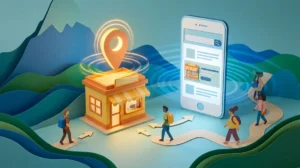
For small businesses, local visibility is the top priority. This means optimizing your Google Business Profile, building local citations, and targeting location-specific keywords. Local SEO strategies are among the most cost-effective ways to drive foot traffic and calls from nearby customers.
Small businesses also benefit greatly from Google Ads because campaigns can be tightly targeted to specific geographic areas and search terms. You avoid paying for clicks outside your service area, which makes every dollar go further.
E-Commerce Businesses
Online retailers need a mix of SEO, PPC, and conversion-focused web design. Traffic means nothing if your product pages do not convert visitors into buyers. Review the 9 must-have features for ecommerce websites in 2026 to ensure your online store is built for sales.
E-commerce businesses should also invest heavily in content marketing. Product guides, comparison articles, and educational blog posts attract buyers who are still in the research phase and help move them toward a purchase decision.
Startups and Growing Businesses
For startups, speed matters. PPC campaigns can generate leads immediately while your SEO strategy builds over time. A professionally designed website with clear messaging is critical from day one. Explore our guide to choosing a digital marketing agency in Florida to find the right partner for fast, sustainable growth.
The Role of AI in Modern Digital Marketing
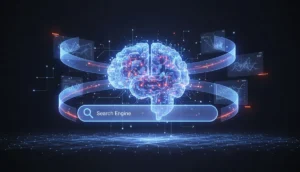
Artificial intelligence is reshaping how search engines work and how customers find businesses. Google’s AI Overviews, ChatGPT, and other AI tools now provide direct answers to search queries — sometimes without users ever clicking a website link. This shift makes it essential to optimize your content for AI-driven results, not just traditional rankings.
Generative Engine Optimization (GEO) and Answer Engine Optimization (AEO) are two emerging strategies that help your business get cited in AI-generated responses. Generative Engine Optimization focuses on structuring your content so AI tools recognize it as authoritative and relevant. This is where the future of digital marketing is heading.
Staying current with these changes requires expertise and consistent effort. Working with a knowledgeable agency ensures your strategy adapts as the digital landscape evolves. Following Google E-E-A-T guidelines (Experience, Expertise, Authoritativeness, Trustworthiness) remains one of the strongest foundations you can build your content strategy on.
Common Digital Marketing Mistakes to Avoid
Many businesses invest in digital marketing but fail to see results because of avoidable mistakes. Knowing what not to do is just as important as knowing what to do.
- Ignoring mobile optimization: Over 60% of web traffic now comes from mobile devices. A site that works poorly on mobile loses customers immediately.
- Skipping analytics: Without tracking data, you cannot know what is working. Set up proper analytics before spending a dollar on ads or content.
- Inconsistent content publishing: Posting sporadically hurts your SEO and audience engagement. Consistency is key.
- Targeting the wrong keywords: High-traffic keywords are not always the right keywords. Focus on terms that match your audience’s intent.
- Poor landing pages: Sending paid traffic to a generic homepage wastes your ad budget. Build dedicated landing pages for each campaign.
- Neglecting local SEO: If you serve a specific area, local SEO should be a top priority, not an afterthought. Learn about local SEO mistakes that cost businesses customers.
What to Look for in a Digital Marketing Agency
Choosing the right agency is one of the most important decisions a business owner can make. The right partner will accelerate your growth. The wrong one will waste your time and budget. Here is what to look for:
- A proven track record with real case studies or client results
- Transparency in reporting and communication
- Expertise across multiple channels (SEO, PPC, content, web design)
- A clear understanding of your industry and audience
- Certifications and verified expertise — see our certifications as an example of what to expect
Brain Buzz Marketing has been delivering results for small and medium-sized businesses since 1998. As a husband-and-wife operated agency based in Tampa, Florida, we offer the expertise of a large agency with the personal dedication of a boutique team. Visit us on Google — Brain Buzz Marketing to read reviews from businesses we have helped grow.
We work 100% virtually, which means we partner with businesses across Florida and beyond. Our small team model keeps overhead low and quality high — giving clients premium results at accessible prices. You can also follow our latest insights and updates on Brain Buzz Marketing on Facebook and connect with us on Instagram for digital marketing tips.
Measuring Digital Marketing Performance
Every digital marketing effort should be tied to measurable outcomes. Tracking the right metrics ensures you know your return on investment and can make smart decisions about where to focus your budget.
The most important metrics to track include:
- Organic traffic: How many visitors find you through search engines without paid ads.
- Conversion rate: The percentage of visitors who take a desired action (call, form fill, purchase).
- Cost per lead (CPL): How much you spend in paid advertising to acquire one lead.
- Keyword rankings: Which positions your target keywords hold in search engine results pages.
- Return on ad spend (ROAS): How much revenue is generated for every dollar spent on paid advertising.
Businesses that track these metrics consistently outperform those that do not. Data-driven decisions eliminate guesswork and allow you to double down on what delivers results.
Bringing It All Together
Digital marketing is not a single tactic. It is an ecosystem of interconnected strategies that work together to build your online presence, attract qualified traffic, and convert visitors into customers. Digital marketing transforms modern businesses by creating sustainable, scalable growth that traditional marketing simply cannot match.
The businesses that win online are those that invest consistently, measure carefully, and adapt quickly. They treat their website as their most valuable sales tool. They use SEO to build long-term authority. They use paid ads to capture immediate demand. And they use quality content to build trust with their audience at every stage of the buyer journey.
If you are ready to build a strategy that drives real results, partnering with an experienced agency makes all the difference. Get in touch with our team at Brain Buzz Marketing to explore how we can help your business grow online with a customized digital marketing strategy built around your goals.
FAQs
Q: What is digital marketing and how does it work?
A: Digital marketing is the use of online channels — including search engines, paid advertising, content, social media, and website design — to attract and convert customers. It works by placing your business in front of the right audience at the right moment in their buying journey, using data and analytics to measure and improve every effort.
Q: How long does it take to see results from digital marketing?
A: Results vary depending on the strategies used. Pay-per-click advertising can generate leads within days of launching a campaign. SEO and content marketing typically require three to six months to show meaningful organic growth. A well-rounded strategy that combines both channels delivers both immediate and long-term results.
Q: How much should a small business invest in digital marketing?
A: The right investment depends on your industry, competition, and growth goals. As a general guideline, most small businesses allocate between 7% and 12% of their revenue to marketing. Even a modest, well-managed digital marketing budget can deliver significant returns when the right strategies are in place.
Q: What is the most important digital marketing channel for local businesses?
A: For most local businesses, SEO — particularly local SEO — is the highest-priority channel. Appearing in Google’s local results and map listings drives consistent, cost-effective traffic from nearby customers who are actively searching for your services. Pairing local SEO with Google Ads creates a strong combined presence in search results.
Q: Do I need a digital marketing agency, or can I manage it myself?
A: While business owners can manage basic digital marketing tasks independently, achieving competitive results typically requires expertise, tools, and consistent time investment that most owners cannot sustain alone. Partnering with a qualified agency ensures your strategy is professionally executed, continuously optimized, and aligned with the latest search engine and AI developments.