Key Takeaways
-
Implement all three strategies (GEO, AEO, AI-driven SEO) together as complementary layers rather than choosing one; AI-driven SEO builds the foundation, AEO captures direct answers and voice search, while GEO positions your brand for AI tool citations.
-
Start with AI-driven SEO fundamentals using keyword research and technical optimization, then layer in AEO through FAQ schemas and 40-60 word concise answers, before pursuing GEO with long-form authoritative content for AI system citations.
-
GEO targets AI generators (ChatGPT, Gemini, Perplexity) by earning content citations through authoritative, well-structured material; AEO targets featured snippets and voice search with direct Q&A formats; traditional AI-driven SEO targets Google SERP rankings.
-
Local service providers should prioritize AEO to capture voice search and featured answer results that drive immediate calls and leads, while e-commerce retailers should balance AI-driven SEO for product pages with AEO for buyer guidance content.
-
Build brand authority through E-E-A-T signals (experience, expertise, authoritativeness, trustworthiness) and consistent publishing to increase chances of being cited by large language models and featured in AI-generated search responses.
-
GEO is a medium to long-term strategy best suited for established brands seeking dominance, while AEO delivers faster results for local and question-based queries, making prioritization dependent on business type, stage, and immediate revenue goals.
Search is no longer a single game with one set of rules. In 2026, three distinct strategies shape how businesses get found online: GEO (Generative Engine Optimization), AEO (Answer Engine Optimization), and traditional AI-driven SEO. Understanding the differences between these approaches — and knowing how to apply each one — is now essential for any business that wants to stay visible and competitive online.
Whether you run a local service business in Tampa or manage an e-commerce store with national reach, the way customers discover you has fundamentally changed. AI-powered search tools like Google’s AI Mode, ChatGPT, and Perplexity are reshaping the search landscape. If your digital marketing strategy hasn’t adapted, you are likely losing traffic, leads, and revenue to competitors who have. This guide breaks down each strategy clearly, compares them side by side, and shows you exactly how to use them together for maximum impact.
What Is GEO in Digital Marketing
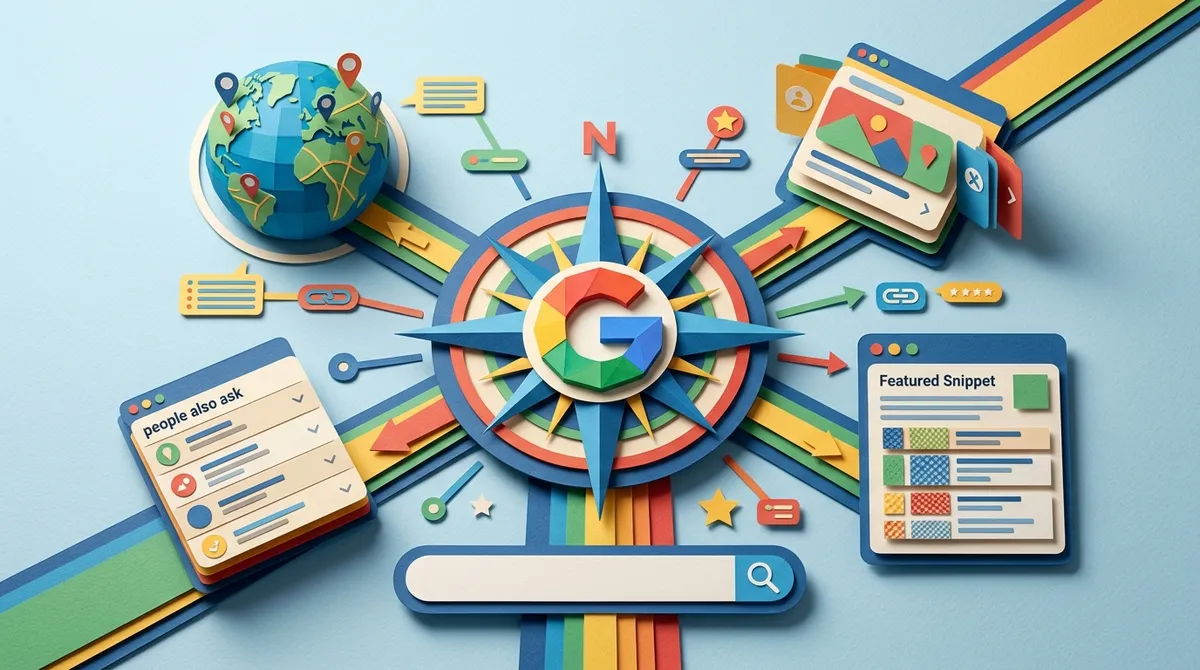
GEO stands for Generative Engine Optimization. It refers to the practice of optimizing your content so that AI-powered generative search engines — like Google’s AI Overviews, Bing Copilot, and ChatGPT — cite your brand, website, or content in their generated responses. To learn more about this emerging strategy, read What Is Generative Engine Optimization and Why Does Your Business Need It.
Think of GEO as earning a seat at the AI table. When a user asks an AI system a question, that system pulls from trusted, well-structured sources across the web. If your content is authoritative, factual, and well-organized, you have a much better chance of being cited. For a deeper look at how GEO relates to traditional SEO, see Is GEO Replacing SEO? What Marketers Need to Know.
Key Characteristics of GEO
- Focuses on being cited or referenced in AI-generated answers
- Requires structured, factual, and deeply authoritative content
- Targets large language models (LLMs) like ChatGPT and Google Gemini
- Prioritizes brand authority and topical expertise over keyword placement alone
- Works best alongside a strong E-E-A-T content foundation
GEO is particularly powerful for businesses that want to dominate informational queries and establish thought leadership. According to Google E-E-A-T guidelines, demonstrating first-hand experience, expertise, authoritativeness, and trustworthiness is essential for AI-driven visibility. The article on Generative Engine Optimization for AI-Driven Search Engines offers additional practical strategies.

What Is AEO in Digital Marketing
AEO (Answer Engine Optimization) focuses on structuring your content so it directly answers the specific questions your target audience is asking. The goal is to be the source that voice assistants, featured snippets, and AI answer boxes pull from when responding to a user query. You can explore this concept further in What Is AEO and Why Does Your Business Need It.
AEO is less about ranking for a broad keyword and more about owning a specific answer. When someone asks Google or Siri “What is the best way to get more local customers?” — AEO helps your business provide that answer and get featured. Learn more about the relationship between these strategies in What Is AEO in Digital Marketing and Why Does It Matter.
Key Characteristics of AEO
- Targets featured snippets, voice search, and AI answer panels
- Uses question-and-answer content formats, FAQs, and schema markup
- Prioritizes concise, direct, and factually accurate responses
- Works well for local service providers and businesses answering common customer questions
- Supports zero-click search visibility
AEO is a highly effective strategy for small business owners and local service providers. If a potential customer asks “Who is the best digital marketing agency near me?” — AEO positions your content to appear as the answer. To see how AEO compares to traditional SEO, check out SEO vs. AEO: Which Strategy Wins for Your Business.
What Is AI-Driven SEO
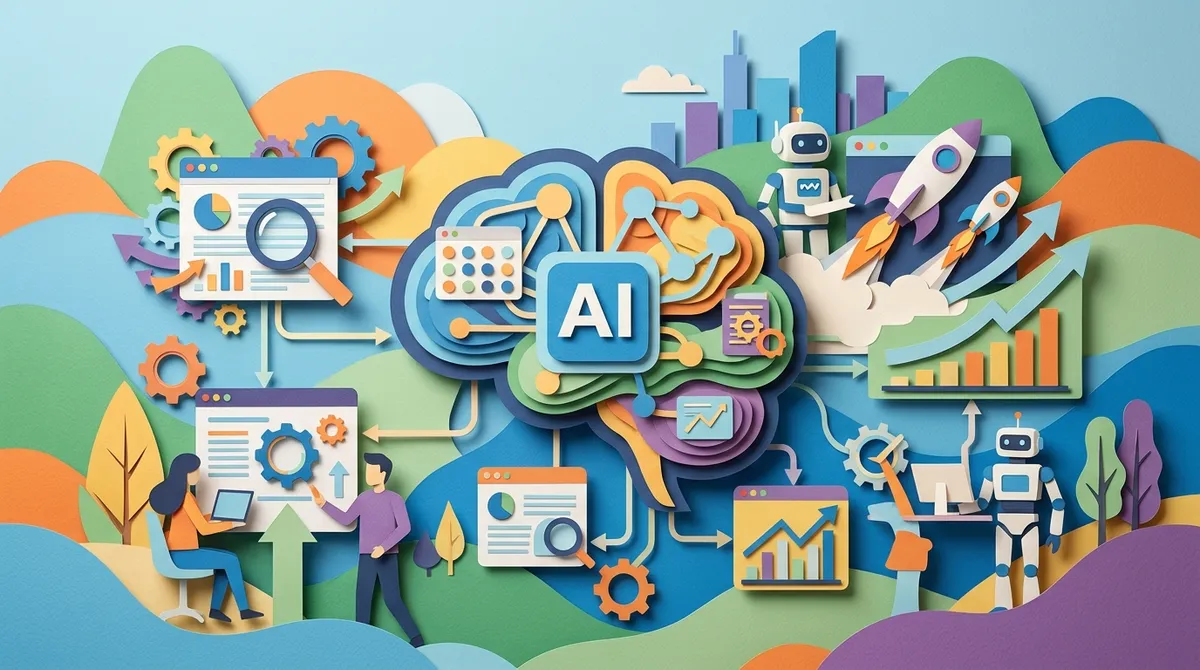
AI-driven SEO is the evolution of traditional search engine optimization, now enhanced by artificial intelligence tools and signals. It combines keyword research, on-page optimization, and technical SEO with AI-powered insights to predict what Google’s algorithm will reward. Think of it as traditional SEO but smarter, faster, and more adaptive.
Google’s own algorithm has incorporated AI (such as RankBrain and MUM) for years. Today, AI-driven SEO means optimizing your content to satisfy both the machine learning signals Google uses to rank pages and the human readers you want to convert. For a broader perspective on AI’s impact on search, read Google’s AI Update Just DESTROYED SEO.
Key Characteristics of AI-Driven SEO
- Uses AI tools for smarter keyword research and content gap analysis
- Optimizes for Google’s machine learning ranking signals
- Emphasizes topical authority and semantic content clusters
- Integrates technical SEO with AI-powered performance data
- Continues to prioritize backlinks, page speed, and user experience

GEO vs AEO vs AI: Side-by-Side Comparison
To help clarify the differences, here is a direct comparison of all three strategies across key performance dimensions:
| Feature | GEO | AEO | AI-Driven SEO |
|---|---|---|---|
| Primary Goal | Get cited by AI generators | Own direct answers in search | Rank higher in Google SERPs |
| Target Platform | ChatGPT, Gemini, Perplexity | Voice search, featured snippets | Google, Bing search results |
| Content Format | Long-form, authoritative content | FAQs, Q&A, schema markup | Keyword-optimized pages & clusters |
| Best For | Brand authority & thought leadership | Local businesses & question-based queries | Traffic generation & ranking |
| Speed of Results | Medium to long-term | Medium-term | Short to long-term |
| Difficulty Level | High | Medium | Medium to High |
This comparison makes it clear that no single strategy wins outright. Each plays a different role in your digital marketing ecosystem. For more detail on why these distinctions matter, explore 7 Key Differences Between AEO and SEO You Must Know.
How to Apply Each Strategy Step by Step
Now that you understand what each strategy is, here is how to put them into action. At Brain Buzz Marketing, we use all three strategies together to help small and medium-sized businesses dominate search in 2026.
Step 1: Build a Foundation with AI-Driven SEO
Start with the fundamentals. AI-driven SEO gives you the structural base that GEO and AEO depend on. Without a solid, technically sound website and keyword strategy, no amount of AI optimization will move the needle.
- Conduct thorough keyword research using AI-powered tools to identify high-intent search terms
- Build topical authority through content clusters that cover your niche deeply and comprehensively
- Optimize technical SEO elements including page speed, mobile responsiveness, and structured data
- Earn quality backlinks from authoritative sources in your industry
- Continuously monitor and adapt based on AI-driven analytics insights
For a practical walkthrough of this process, see 12 Ways to Rank Higher Than Competitors in Organic SEO. You can also use our Marketing Spend Calculator to plan your budget around these efforts.
Step 2: Layer in AEO for Answer Visibility
Once your SEO foundation is solid, add AEO to capture question-based and voice search traffic. This is where your content writing strategy becomes critical.
- Identify the most common questions your target customers ask using Google’s “People Also Ask” boxes and keyword tools
- Create dedicated FAQ sections on key service pages and blog posts
- Implement schema markup (FAQ schema, How-To schema, Local Business schema) across your website
- Write concise, direct answers of 40–60 words that can be featured in snippets
- Optimize your Google Business Profile to capture local answer results
Our content writing services are specifically designed to incorporate AEO best practices into every piece of content we produce. To see results of this approach, explore 9 Answer Engine Optimization Facts Every Business Must Know. For even more context, 15 Reasons to Use AEO Instead of SEO in 2026 is an excellent resource.
Step 3: Pursue GEO for Long-Term AI Visibility
GEO is the most advanced and forward-looking layer of your strategy. It positions your brand to be recommended by AI systems that millions of people are turning to for answers every single day.
- Publish long-form, deeply researched content that AI systems recognize as authoritative and trustworthy
- Build a clear brand voice and expert profile through consistent publishing and social proof
- Earn mentions and citations from other credible websites and publications in your industry
- Optimize content for LLM readability — use clear structure, headers, lists, and factual claims
- Monitor AI citation tools to track where and how your brand is being referenced
This strategy is most relevant for businesses aiming for long-term dominance. The article The New SEO Game: How to Get Cited on Google’s AI Mode offers an excellent deep-dive into earning AI citations. You can also follow our latest insights on Brain Buzz Marketing on Facebook and Instagram for up-to-date strategies.
Which Strategy Should You Prioritize First
The answer depends on your current situation, goals, and resources. Here is a simple framework to guide your decision:
- New or early-stage businesses: Start with AI-driven SEO to build traffic and visibility before layering in AEO and GEO
- Local service providers: Prioritize AEO to capture voice search and local answer results that drive immediate calls and leads
- E-commerce retailers: Balance AI-driven SEO for product pages with AEO for informational content to guide buyers
- Established brands seeking authority: Invest heavily in GEO to earn AI citations and dominate your niche in generative search results
- Marketing managers with diverse goals: Implement all three in a phased approach, starting with SEO, then AEO, then GEO
If you are unsure where to start, book a free 30-minute consultation with our team. We will assess your current digital presence and recommend the right mix for your business. You can also visit us on Google — Brain Buzz Marketing to read reviews from real clients who have grown their businesses with our strategies.
Why Using All Three Together Wins in 2026
The most successful digital marketing strategies in 2026 do not treat GEO vs AEO vs AI as an either/or decision. Instead, they use all three as complementary layers of a unified approach. AI-driven SEO builds your foundation and drives organic traffic. AEO captures the direct-answer and voice search opportunity. GEO positions your brand to be recommended by the AI tools that are rapidly replacing traditional search for millions of users.
Think of it like a three-legged stool. Remove any one leg and the entire strategy becomes unstable. Together, these three approaches cover the full spectrum of modern search behavior — from traditional Google searches to AI-generated responses to voice queries. Our digital marketing services are built around this integrated model, giving our clients an edge across every search channel. For further reading on how this ecosystem is evolving, explore 10 Ways to Optimize for AI Search Results in 2026 and How AI Search Algorithms Actually Work.
Start Implementing the Right Strategy Today
The digital marketing landscape in 2026 rewards businesses that adapt early and optimize intelligently. Understanding the core differences between GEO vs AEO vs AI is no longer optional — it is a competitive requirement. Each strategy addresses a different facet of how modern customers find, evaluate, and choose businesses like yours.
Brain Buzz Marketing has been helping businesses navigate the evolving search landscape since 1998. Our team specializes in building integrated strategies that combine AI-driven SEO, Answer Engine Optimization, and Generative Engine Optimization into a single, results-driven plan. Whether you are a startup building your first online presence or an established business looking to dominate in AI search, we are here to help. Get in touch with our team today to start building a search strategy that works across every platform, every format, and every search engine — now and into the future.
FAQs
Q: What is the main difference between GEO, AEO, and AI-driven SEO?
A: GEO (Generative Engine Optimization) focuses on getting your content cited by AI tools like ChatGPT and Google Gemini. AEO (Answer Engine Optimization) targets featured snippets and voice search by directly answering user questions. AI-driven SEO is the evolution of traditional search engine optimization, using artificial intelligence to improve rankings on Google and Bing.
Q: Which strategy should a small business focus on first — GEO, AEO, or AI SEO?
A: Most small businesses should start with AI-driven SEO to establish a solid technical and content foundation. Once that is in place, layering in AEO helps capture local and voice search traffic. GEO can then be pursued as the business builds brand authority and topical expertise over time.
Q: Is GEO replacing traditional SEO in 2026?
A: GEO is not replacing traditional SEO — it is adding a new layer to it. Traditional SEO still drives significant traffic through Google search results, while GEO addresses the growing segment of users who rely on AI-generated answers. The most effective strategy uses both in parallel.
Q: How does AEO help local service businesses specifically?
A: AEO helps local service businesses appear in voice search results, Google’s featured answer boxes, and AI-powered local queries. By structuring content around the specific questions local customers ask, businesses increase their chances of being the definitive answer that search engines and AI tools surface first.
Q: Can a digital marketing agency help implement all three strategies at once?
A: Yes. A skilled digital marketing agency can develop an integrated strategy that combines GEO, AEO, and AI-driven SEO into a unified plan. This approach ensures your business is visible across traditional search results, AI-generated responses, and voice search — covering the full spectrum of how modern customers search for services.