Key Takeaways
-
AI-powered search engines now deliver direct answers instead of link lists, making Answer Engine Optimization (AEO) essential for visibility in 2026 as businesses risk becoming invisible without it.
-
Structure content with direct question-and-answer formats, implement schema markup sitewide, and use conversational headings to help AI systems find and cite your content as authoritative answers.
-
Combine AEO with traditional SEO rather than replacing it—this dual approach captures both AI-powered searches and keyword-based queries, creating multiple customer discovery touchpoints.
-
Local businesses have exceptional AEO opportunities: optimizing for voice queries like 'best plumber near me' positions your business as the single answer AI delivers to ready-to-buy customers.
-
Build E-E-A-T signals (Experience, Expertise, Authoritativeness, Trustworthiness) through author bios, customer reviews, and citations from reputable sources—AI engines prioritize credible sources when selecting answers.
-
Avoid common AEO mistakes like burying answers in long introductions, ignoring schema markup, targeting only short keywords, and neglecting mobile optimization to maintain visibility in AI search results.
Search is changing fast. In 2026, people are not just typing keywords into Google. They are asking full questions to AI assistants, voice search tools, and chatbots — and they expect direct answers. This shift has given rise to a powerful strategy called Answer Engine Optimization (AEO). Many digital marketing experts now call it the new SEO. But what does that really mean? And why should your business care?
If you are a small business owner, a marketing manager, or a startup founder trying to grow online, understanding AEO is no longer optional. It is essential. The way people find businesses online has fundamentally changed, and your strategy needs to change with it. This guide will walk you through everything you need to know about why AEO is the new SEO — and how to get ahead of the shift.
What Is AEO and How Is It Different From SEO?
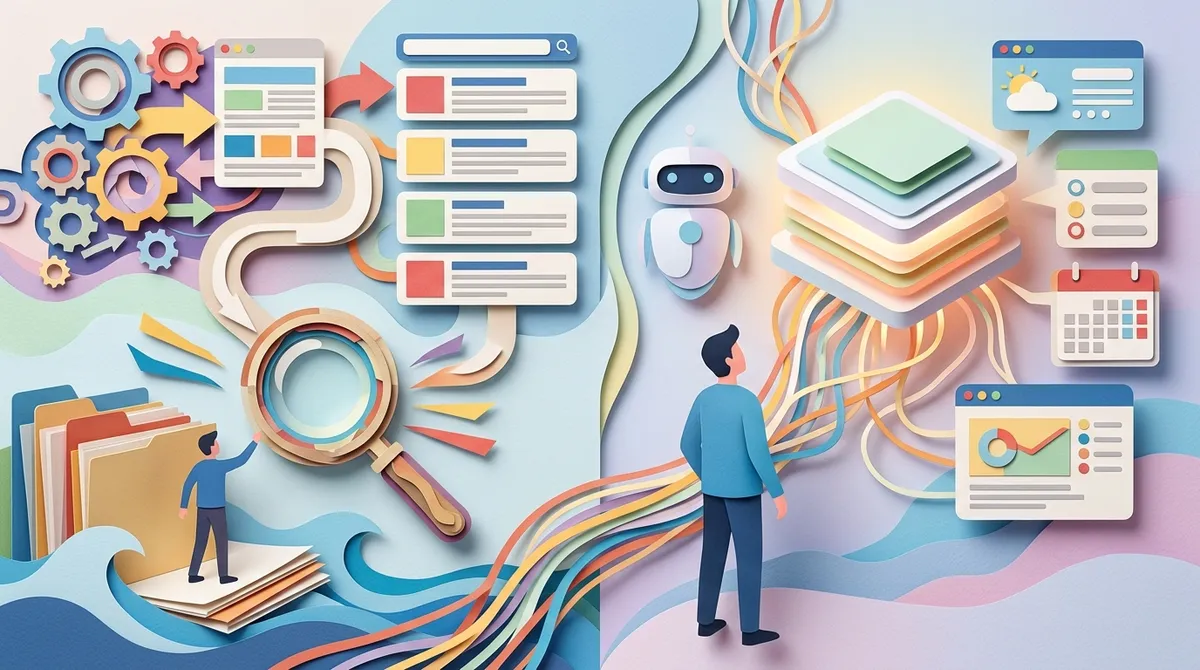
Traditional SEO focuses on ranking web pages for specific keywords. The goal is to appear on the first page of search results. AEO takes a different approach. It focuses on making your content the answer that AI-powered search engines, voice assistants, and answer engines deliver to users directly.
Think of it this way. With traditional SEO, a user searches for “best digital marketing agency in Tampa” and sees a list of links. They click, browse, and decide. With AEO, the search engine reads your content and delivers your answer directly — sometimes without the user clicking at all. To explore this concept in depth, read what AEO is and why your business needs it.
Understanding the distinction matters. Here is a quick comparison:
| Feature | Traditional SEO | AEO (Answer Engine Optimization) |
|---|---|---|
| Primary Goal | Rank on search results pages | Be the direct answer to a question |
| Search Format | Keyword-based queries | Conversational and question-based queries |
| Target Platform | Google, Bing search results | AI assistants, voice search, AI Overviews |
| Content Style | Keyword-dense pages | Direct, concise, structured answers |
| Click Behavior | User clicks a link | Answer delivered without a click |
| Schema Usage | Optional but helpful | Critical for visibility |
For a more detailed breakdown, see what the difference is between SEO and AEO.

Why AEO Is the New SEO in 2026
The rise of AI-generated search results has accelerated dramatically. Google’s AI Overviews, ChatGPT, Perplexity, and other tools now handle millions of queries daily. These platforms do not always send traffic to websites. Instead, they pull structured information and deliver it as a direct response. This is why AEO is the new SEO — businesses that fail to optimize for answers risk becoming invisible.
Voice search is also driving this change. When someone asks a smart speaker a question, it reads one answer aloud — not ten blue links. Your content either wins that position or loses it entirely. Read more about how Google’s AI Mode is reshaping the SEO game.
There are several key reasons why this shift is happening now:
- AI search tools are becoming the first stop for research and purchasing decisions
- Voice search usage continues to grow across mobile and smart home devices
- Zero-click searches now account for a significant portion of all queries
- Google’s AI Overviews appear above traditional organic results
- Users expect instant, direct answers — not lists of links to browse
- Businesses not structured for AEO are losing visibility in AI-driven results

How AEO Works: The Core Principles
AEO is built on a simple idea: structure your content so that AI engines can read, understand, and cite it easily. This requires a shift in how you write and organize your website content. You can also explore how to implement answer engine optimization step by step.
Here are the core principles of effective AEO:
- Answer questions directly. Start content sections with a clear, concise answer to a specific question. Do not bury the answer in paragraphs of background information.
- Use structured data (schema markup). Schema tells search engines what your content means. FAQ schema, How-To schema, and Article schema are especially powerful for AEO.
- Write in plain, conversational language. AI engines favor content that mirrors how people actually ask questions. Short sentences, clear explanations, and simple words perform best.
- Organize content with clear headings. Use H2 and H3 headings as questions. This helps AI systems find and extract specific answers from your page.
- Build topical authority. Cover a subject thoroughly across multiple related pages. AI tools cite sources they recognize as authoritative and trustworthy. Learn more about topical authority and its role in SEO success.

AEO and E-E-A-T: Why Trust Still Matters
Google’s quality guidelines emphasize Google E-E-A-T — Experience, Expertise, Authoritativeness, and Trustworthiness. AEO depends heavily on these same signals. AI engines are trained to prioritize content from credible sources. If your website lacks trust signals, your content is unlikely to be cited as an answer — no matter how well it is written.
Building E-E-A-T for AEO includes several important steps. You need author bios, clear business information, customer reviews, and consistent factual accuracy across all content. It also helps to earn mentions and citations from other reputable sources in your industry. This creates the kind of authority that AI systems look for when selecting answers. You can also review what Google E-E-A-T means and how it works.
7 Ways to Optimize Your Content for AEO
Transitioning your digital marketing strategy to include AEO does not mean abandoning SEO. It means expanding it. Here are seven practical ways to make your content more answer-engine-ready:
- Rewrite key pages to answer specific questions. Identify the top questions your customers ask. Then structure your pages to answer those questions clearly at the top of each section.
- Add FAQ sections to your pages. FAQs are one of the most powerful AEO tools. They map directly to conversational queries and are frequently pulled into AI responses and featured snippets.
- Implement schema markup sitewide. Work with your web developer or agency to add appropriate schema to all content pages. This dramatically improves how AI systems understand and use your content.
- Optimize for voice search queries. Voice searches are longer and more conversational. Target phrases like “What is the best way to…” or “How do I find a…” rather than short keyword strings.
- Create dedicated question-answer content. Build individual blog posts and landing pages that target single, specific questions. This improves your chances of ranking as the featured answer for that query.
- Improve page load speed and mobile performance. AI engines and Google both factor technical performance into rankings. A fast, mobile-friendly site is a prerequisite for AEO success. See what website design factors actually drive results in 2026.
- Get cited by authoritative sources. Earn backlinks and mentions from credible industry websites, directories, and publications. These citations signal to AI engines that your content is trustworthy.
AEO vs. Traditional SEO: Should You Choose One?
This is one of the most common questions businesses ask in 2026. The short answer is no — you should not choose one over the other. The best strategy combines both. Traditional SEO digital marketing still drives significant traffic. But AEO captures the growing segment of users who rely on AI-powered answers and voice search.
Businesses that integrate AEO into their existing SEO strategy see the best results. They rank in traditional search results and appear in AI-generated responses. This creates multiple touchpoints for potential customers to discover your brand. For a detailed comparison, read SEO vs. AEO: which strategy wins for your business.
Consider these benefits of combining SEO and AEO:
- Broader visibility across both traditional and AI-powered search platforms
- Higher chance of appearing in featured snippets and AI Overviews
- Stronger topical authority that benefits both strategies simultaneously
- Improved content quality that satisfies both human readers and AI crawlers
- Better long-term resilience as search technology continues to evolve
Local Businesses and AEO: A Powerful Opportunity
For local service providers and small businesses, AEO offers a particularly strong opportunity. When someone asks a voice assistant “Who is the best digital marketing agency near me?” or “Which plumber is open right now in my area?”, the engine delivers one answer. Getting that answer right means capturing a highly motivated, ready-to-buy customer.
Local AEO combines answer optimization with location signals. It includes optimizing your Google Business Profile, gathering verified reviews, and structuring your site content around local questions. To dive deeper, explore the comparison between local AEO vs. traditional SEO and which strategy wins.
Brain Buzz Marketing helps small and medium-sized businesses in the Tampa area and beyond implement AEO strategies that deliver real, measurable results. If you want to see what our team has accomplished for clients, visit Brain Buzz Marketing on Google to read our client reviews directly.
The Role of Content Writing in AEO Success
High-quality content is the foundation of every successful AEO strategy. Without well-written, clearly structured content, no amount of technical optimization will get you cited as an answer. This is why professional content writing services are more valuable now than ever before.
Effective AEO content is not just about length or keyword density. It is about clarity, structure, and relevance. Each piece of content should serve a specific purpose — answering a real question that your target audience is asking. Businesses that commit to this approach build the kind of topical authority that AI engines reward. For more on this, read about why content is the backbone of SEO in 2026.
For businesses looking to get their content seen by AI search platforms, it is also worth reviewing how LLM-referred traffic converts at 30–40% and why most businesses are not yet optimizing for it. That conversion rate is remarkable and represents a major untapped opportunity.
Common AEO Mistakes to Avoid
Many businesses make avoidable errors when first implementing AEO. These mistakes can significantly reduce your chances of being selected as a top answer. Here are the most common pitfalls:
- Writing long, vague introductions instead of leading with the answer
- Ignoring schema markup entirely or implementing it incorrectly
- Targeting only short-tail keywords and missing conversational queries
- Publishing thin content that lacks depth or topical coverage
- Failing to update old content to reflect current information and AI standards
- Neglecting mobile optimization and page speed performance
For a full breakdown of what not to do, review 13 AEO mistakes that are hurting your search visibility. Avoiding these errors is often the fastest way to see improvement in your AI search presence.
You can also follow Brain Buzz Marketing on Instagram for regular tips on AEO, SEO, and digital marketing strategies that work for small businesses in 2026.
Getting Started With AEO Today
The transition from pure SEO to an integrated AEO strategy does not have to be overwhelming. Start with what you already have. Audit your existing content for question-based headings and clear, direct answers. Add FAQ sections to your most important service pages. Install schema markup on your highest-traffic content. Then build a plan to create new content that targets the specific questions your ideal customers are asking.
If you want a professional team to handle this for you, explore our full digital marketing services to see how Brain Buzz Marketing can build and execute a strategy tailored to your business goals. You can also explore 13 AEO strategies for 2026 that help get AI to recommend your business.
Two local businesses worth noting as examples of niche online presence done right include Dental Theory, a modern dental practice with a strong digital footprint, and Gulfside Adventures, a local experience provider that understands the power of showing up in local search. Both demonstrate how being discoverable online translates directly to business growth.
Conclusion: AEO Is No Longer Optional
The evidence is clear. AEO is the new SEO — not because traditional search optimization is dead, but because the definition of search has expanded. Businesses that adapt their content strategy to answer direct questions, structure information for AI consumption, and build genuine authority will win the next era of digital discovery.
In 2026 and beyond, being found online means more than ranking on page one. It means being the answer that AI delivers, the voice result that speaks your name, and the trusted source that gets cited across platforms. The businesses that act on this shift now will have a significant advantage over those that wait. You can also stay current by reading about 10 ways to optimize for AI search results in 2026.
Ready to make your business the answer? Reach out to our team at Brain Buzz Marketing and let us build an AEO-driven strategy that positions your brand at the front of every relevant search — traditional or AI-powered.
FAQs
Q: What does it mean that AEO is the new SEO?
A: It means the way people search has shifted from typing keywords to asking full questions to AI assistants and voice tools. AEO (Answer Engine Optimization) focuses on structuring your content so that AI-powered search engines select it as the direct answer to a user’s query, rather than simply ranking it on a traditional results page.
Q: Can a small business benefit from AEO?
A: Absolutely. Small businesses, especially local service providers, stand to gain significantly from AEO. When a potential customer asks a voice assistant for a recommendation in their area, AEO-optimized content positions your business as the answer that gets delivered — capturing highly motivated buyers at the moment they are ready to act.
Q: Do I need to stop doing SEO if I start using AEO?
A: No. SEO and AEO are complementary strategies, not competing ones. Traditional SEO continues to drive meaningful traffic from keyword-based searches, while AEO captures the growing segment of users relying on AI and voice tools. Integrating both into your digital marketing plan provides the broadest possible search visibility.
Q: What type of content works best for AEO?
A: Content that answers specific questions clearly and concisely performs best for AEO. FAQ sections, how-to guides, and structured service pages with direct question-and-answer formatting are highly effective. Adding schema markup to these pages significantly improves your chances of being cited by AI-powered answer engines.
Q: How long does it take to see results from AEO?
A: Results from AEO can vary depending on your industry, the quality of your content, and your existing domain authority. Some improvements — such as appearing in featured snippets — can happen within weeks of publishing well-structured content. Building consistent visibility across AI-driven platforms typically takes three to six months of focused effort.